
Last updated November 22, 2026
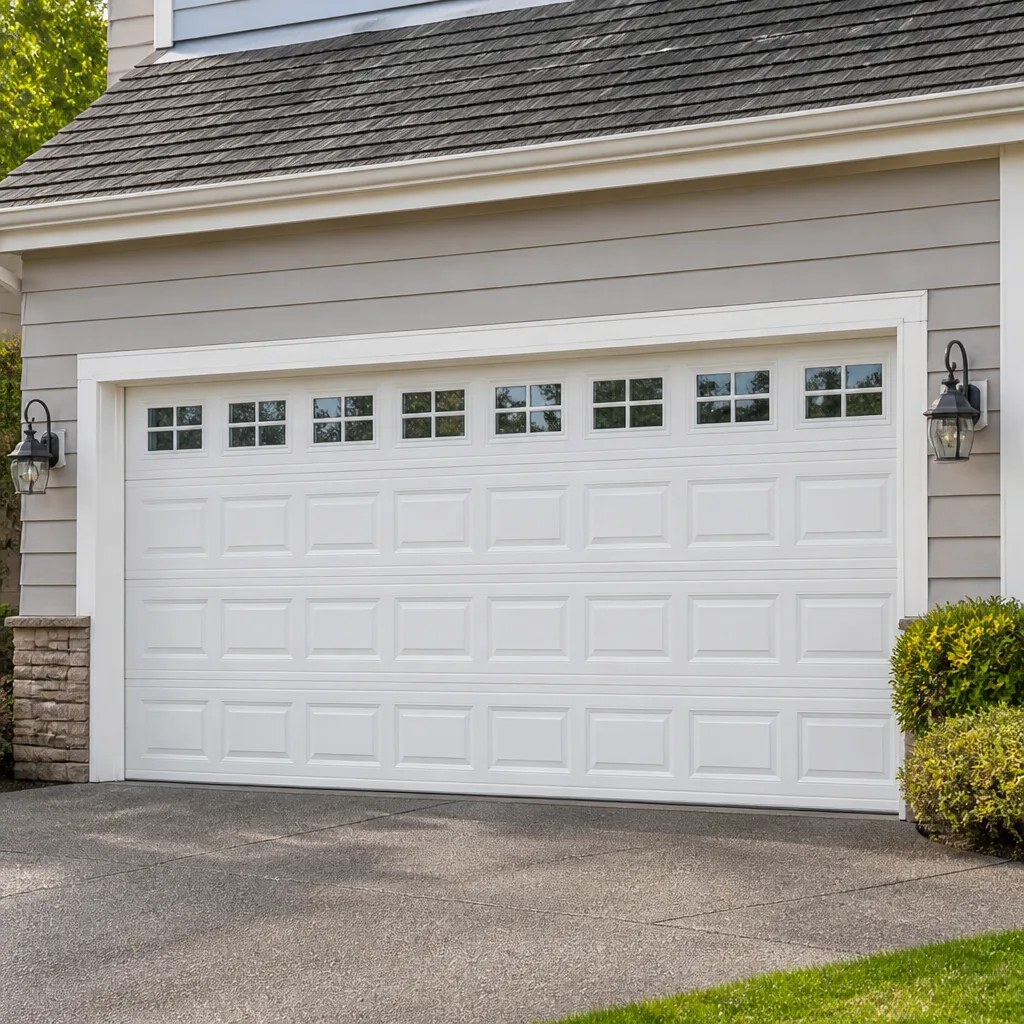 Raised-panel steel
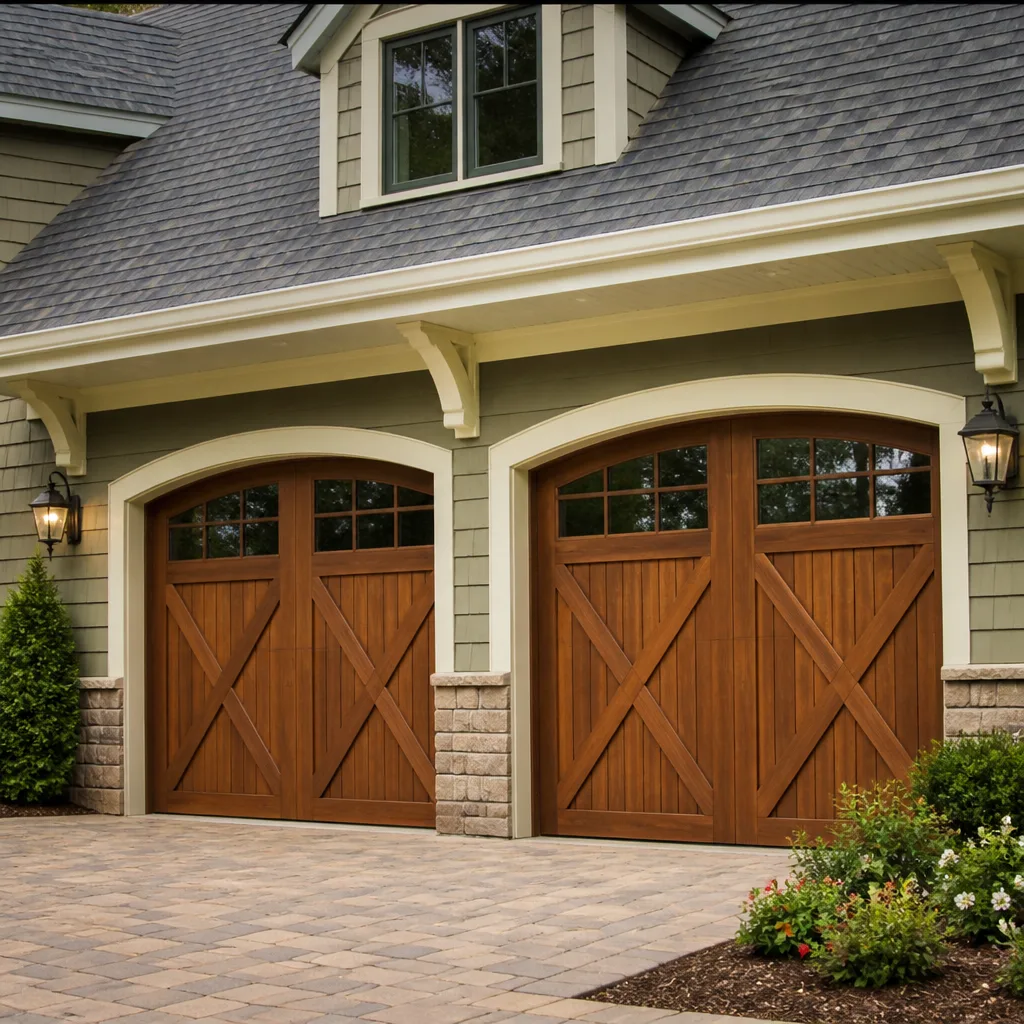 Carriage house
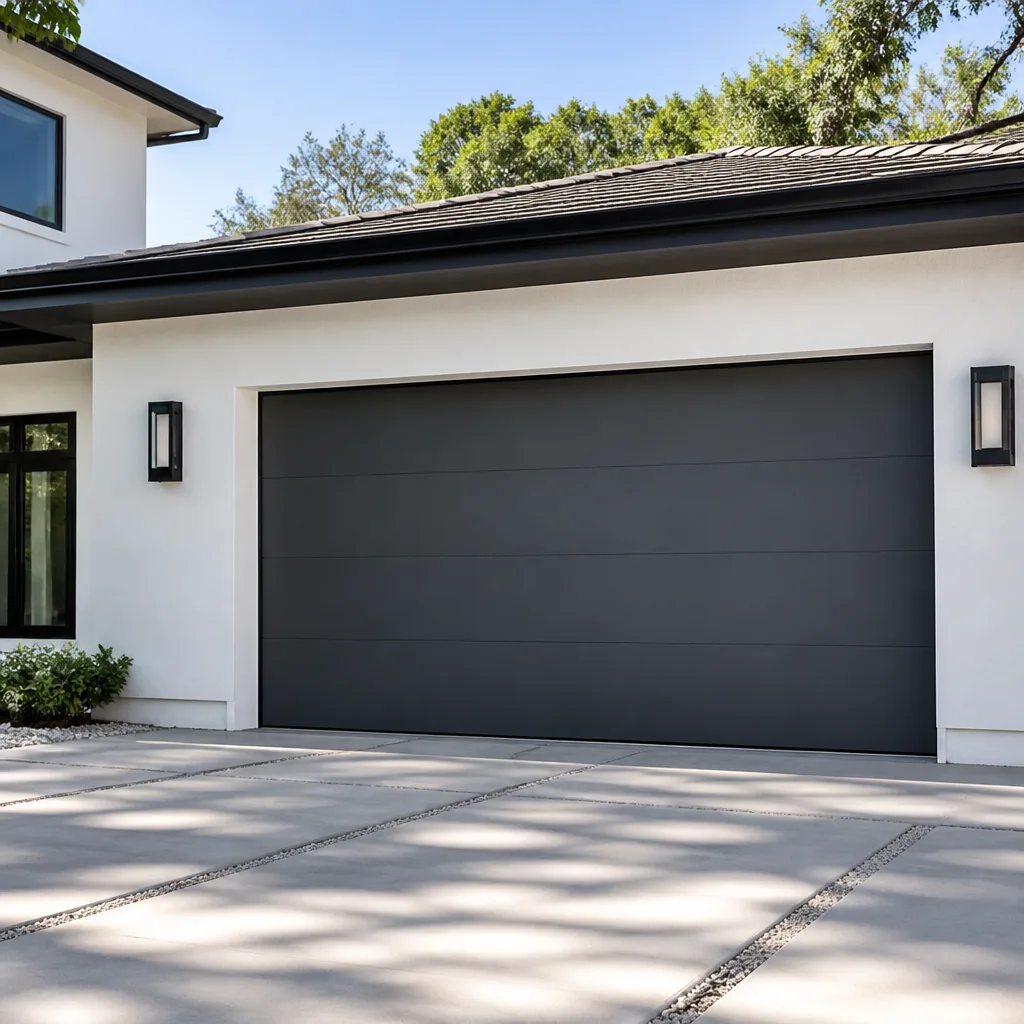 Modern flush
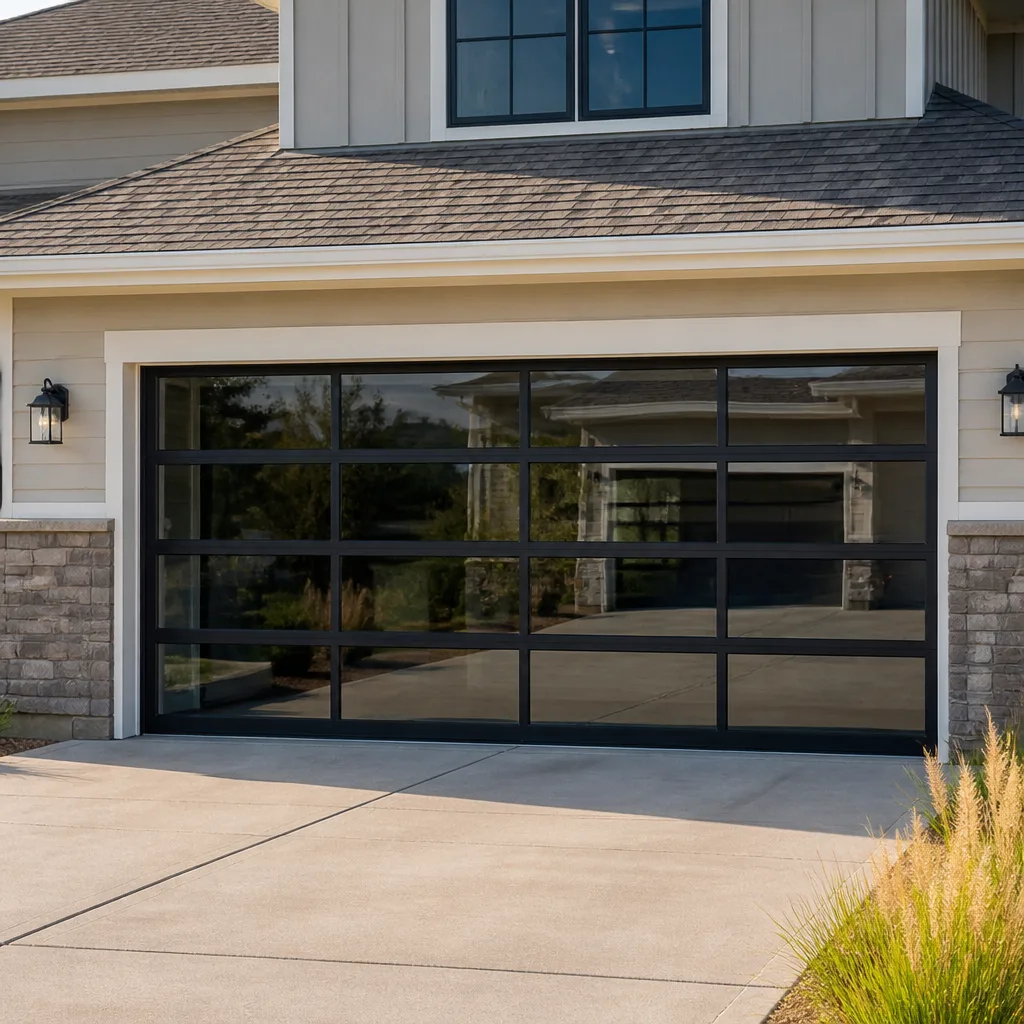 Full-view glass
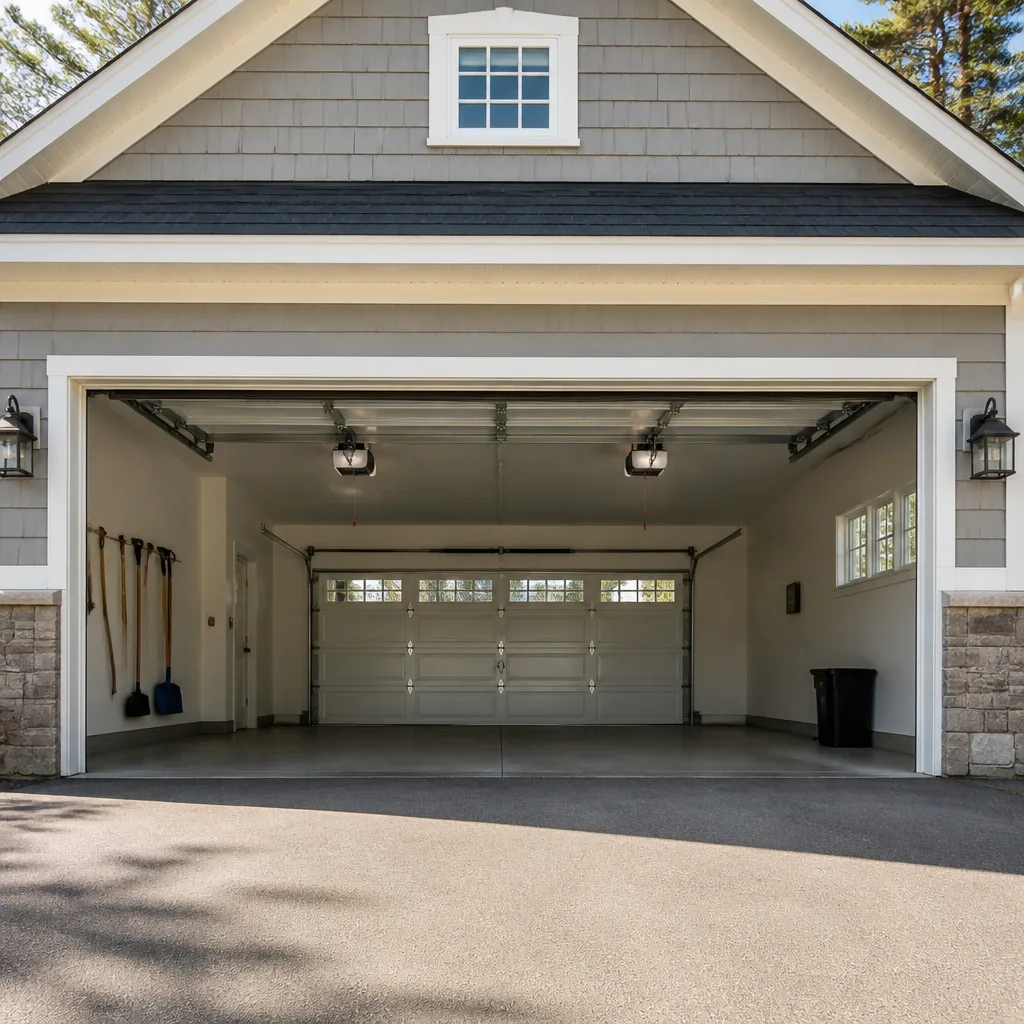 LiftMaster openers
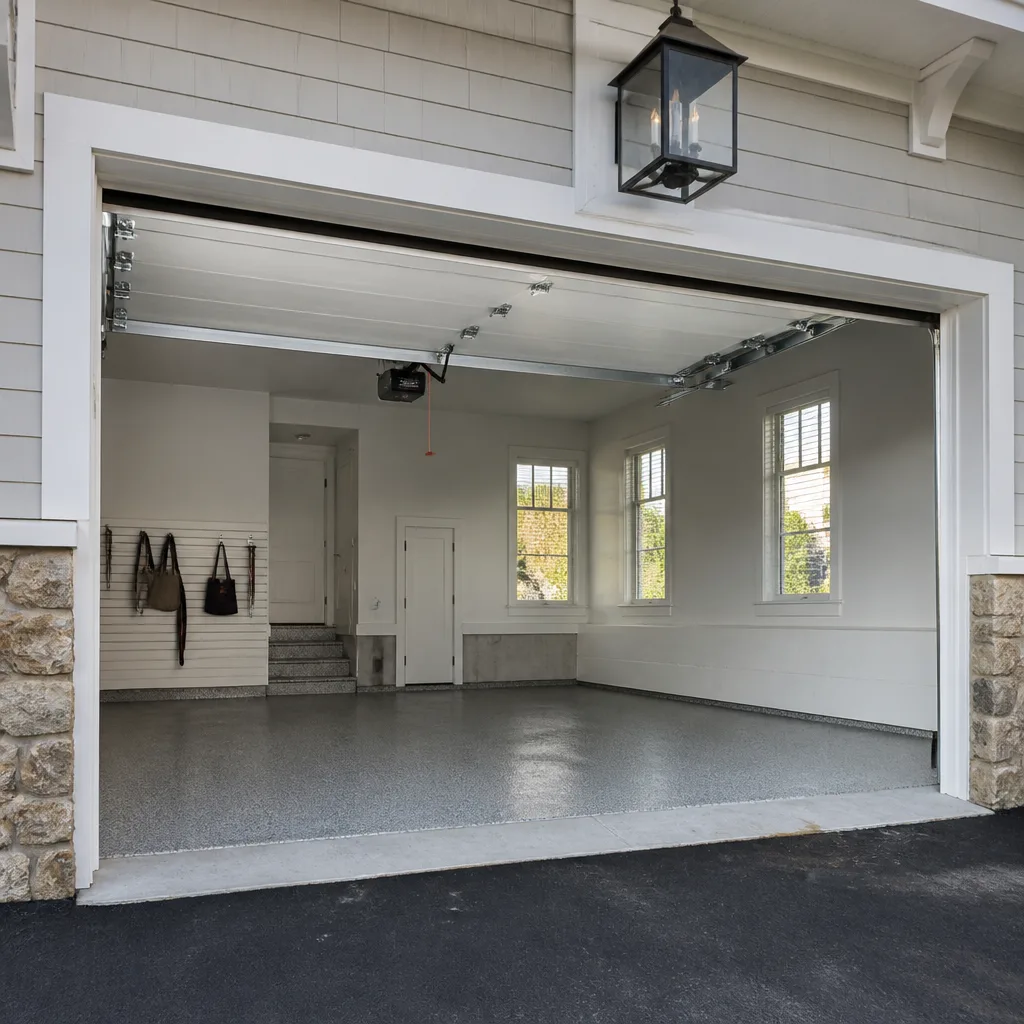 Chamberlain openers
Full 25-point door and opener safety check with every visit - springs, cables, rollers, tracks, and your LiftMaster or Chamberlain opener included
You get a price before we start. It does not change when the pro arrives.
Get your free estimateGarage Door Repair Troubleshooting in Miramar: Common Problems and How to Fix Them
A noisy garage door isn’t a noise problem. It’s usually a lubrication, alignment, or hardware-tension problem wearing a noise costume. Chasing the sound instead of the cause is how homeowners spend $200 on new rollers when a tube of white lithium grease was the fix. Most garage door problems in Miramar trace back to one of four root causes, and the symptom you notice is rarely the source you need to address. This guide teaches you to diagnose the actual problem before you touch anything, so you stop replacing parts that were never broken. We’ll walk through the four-cause framework, a symptom-to-cause chart, the tests that separate door, opener, and track issues, and the clear line between what’s safe to handle yourself and what needs a trained technician.
Quick Answer
Most garage door problems come down to four root causes: mechanical wear, misalignment, electrical or sensor failure, and humidity-related swelling. You can safely test which one you’re dealing with by checking the opener’s response, inspecting the sensors, and identifying where the door jams or stalls. Broken springs and cables off the drum are never DIY repairs – those require a trained technician. Everything else is a process of elimination, and this guide gives you the framework to run it.
Styles & brands we work with
- Raised-panel steel
- Carriage house
- Modern flush
- Full-view glass
- LiftMaster openers
- Chamberlain openers
Table of Contents
- The Four Root Causes Behind Almost Every Garage Door Problem
- How to Tell If the Problem Is the Door, the Opener, or the Track
- Symptom-to-Cause Chart: What You See and Hear vs. What’s Actually Wrong
- Which Problems Are Safe to Fix Yourself (and Which Never Are)
- Miramar-Specific Factors: Humidity, Storm Season, and Hardware Wear
- Opener Troubleshooting: When the Motor Runs But the Door Doesn’t Move
- Springs and Cables: The Two Repairs You Should Never Attempt
- When Troubleshooting Should Stop and a Technician Should Start
The Four Root Causes Behind Almost Every Garage Door Problem
We’ve diagnosed enough doors in Miramar to know that almost every complaint maps back to one of four categories. Once you know which category you’re in, the repair path becomes obvious, and you stop guessing. Here’s how each cause presents and what it actually means.
1. Mechanical wear
Rollers flatten. Hinges loosen. Bearings dry out. Spring tension weakens over thousands of cycles. Mechanical wear is the slow, cumulative breakdown of moving parts, and it shows up as noise, sluggish operation, or a door that drifts down a few inches after it closes. The trap here is that wear mimics other problems. A worn roller can sound like a failing opener. A tired spring can look like a track problem. The only way to tell is to isolate the component before you replace anything.
2. Misalignment
The door sits slightly off its tracks, or the tracks themselves are bent, or the panels have shifted out of square. Misalignment shows up as binding, scraping, uneven gaps at the bottom, or a door that goes up crooked. In Miramar, heat and humidity can cause wood frame components to swell and shift, which nudges the track out of alignment without any obvious physical damage. A door that worked fine in January and binds in July usually has a misalignment problem, not a motor problem.
3. Electrical and sensor failure
The opener won’t respond, or the door reverses immediately after starting down, or the wall button works but the remote doesn’t. These are electrical or sensor issues. The safety sensors at the bottom of the tracks are the most common culprit, and they fail for reasons that have nothing to do with the sensor itself: dust, cobwebs, a bumped bracket, or sunlight hitting the receiving eye at the wrong angle. Modern openers from LiftMaster, Chamberlain, and Genie have diagnostic codes that will tell you exactly what’s failing if you know where to look.
4. Weather-related swelling
South Florida humidity is relentless. Wooden door panels, wooden frames, and even some composite materials absorb moisture and swell, which changes the clearances the door was built with. A door that fit perfectly in the dry season can bind against the frame during the wet season. This cause is easy to miss because the door itself looks fine – the problem is dimensional, not visible. If your door only sticks during certain months or after heavy rain, swelling is almost certainly the cause.
How to Tell If the Problem Is the Door, the Opener, or the Track
Before you touch a single part, run this three-step test. It takes about five minutes, requires no tools, and will save you from replacing the wrong component. The goal is to isolate which system – door, opener, or track – is actually failing.
- Disconnect the opener. Pull the emergency release cord (usually a red handle hanging from the trolley). This separates the door from the motor. Now the door is manual. If it opens and closes smoothly by hand, the problem is in the opener. If it still binds, sticks, or feels unusually heavy, the problem is in the door or track.
- Test the door manually. With the door disconnected, lift it halfway and let go. A properly balanced door should hold its position. If it drops, the springs are weak or broken. If it’s hard to lift, the springs may be overtightened or the track is binding. If it scrapes or grinds, look at the rollers and track alignment.
- Test the opener separately. Reconnect the door, then run the opener with the door in the closed position while you watch the trolley. If the motor runs but the trolley doesn’t move, the problem is in the opener’s gear, belt, or chain. If the trolley moves but the door doesn’t follow, the problem is in the connection point or the door itself.
Run these three checks in order and you’ll know which system needs attention before you spend a dime. If you get to step three and the opener is behaving strangely, that’s when garage door opener repair becomes the conversation.
Symptom-to-Cause Chart: What You See and Hear vs. What’s Actually Wrong
This is the section homeowners come back to. Match your symptom to the most likely cause, then read the note on what to do next. Keep in mind that symptoms can overlap – a grinding noise and a door that reverses can both point to different problems – so use this as a starting point, not a diagnosis.
- Loud grinding or squealing: Worn rollers, dry hinges, or a failing opener gear. Lubricate first, then inspect rollers for flat spots.
- Door reverses immediately after starting down: Safety sensor misalignment or obstruction. Check the sensor eyes and clean the lenses.
- Door opens a few inches and stops: Travel limit switch out of adjustment, or a binding track. Test the door manually to isolate.
- Door won’t move at all, motor hums: Broken spring, stripped opener gear, or a locked door. Check the manual release and test balance.
- Door sags on one side: Broken or weak spring on that side, or a cable off the drum. This is a technician call.
- Door is hard to lift by hand: Springs weak or broken, or track binding. Never force it.
- Remote works intermittently: Dead battery, antenna issue, or interference from LED bulbs or nearby electronics.
- Door sticks only in humid months: Wood swelling or track misalignment from seasonal movement. Adjust clearances, don’t replace parts.
- Loud bang from the garage: Spring snapped. Stop using the door and call a technician.
- Door goes up crooked: Cable off the drum, broken spring, or a bent track. Technician call.
If your symptom shows up on this chart more than once, or if it changes after you make an adjustment, stop and get a professional diagnosis. For the full range of repair options in Miramar, garage door repair covers what each fix actually involves.
Which Problems Are Safe to Fix Yourself (and Which Never Are)
We treat homeowners as capable adults, so here’s the honest line. Some problems are genuinely safe to handle with basic tools. Others will injure you if you try. Knowing the difference is the single most important skill in garage door troubleshooting.
Safe to handle yourself
- Lubricating hinges, rollers, and the opener’s chain or screw drive with white lithium grease.
- Cleaning safety sensor lenses and realigning the sensor brackets by hand.
- Replacing the remote battery or re-pairing a remote to the opener.
- Tightening hinge screws and bolts that have worked loose.
- Clearing obstructions from the door’s path and the photo-eye line.
- Adjusting the opener’s travel limits using the manual (follow the manufacturer’s instructions exactly).
Never attempt yourself
- Spring replacement or adjustment. Torsion springs are under extreme tension. One wrong move can cause serious injury. Extension springs can whip if a safety cable isn’t in place.
- Cable replacement or re-spooling. Cables are under tension too, and a cable off the drum means the door is unsupported on one side.
- Track replacement or major realignment. The door weighs hundreds of pounds and can come off the track if you don’t know what you’re doing.
- Panel replacement on a door with broken springs. The door has to be properly supported first.
If you’re unsure which side of the line you’re on, assume it’s the dangerous side. The cost of a service call is trivial compared to a hospital visit.
Miramar-Specific Factors: Humidity, Storm Season, and Hardware Wear
Miramar sits in a climate that’s hard on garage door hardware, and the problems we see here don’t always match what a national troubleshooting guide describes. Here’s what’s actually different about diagnosing a door in Miramar.
Humidity and swelling
The humidity in Miramar is high for most of the year. Wooden door panels and wooden frame components absorb moisture and swell, which changes the clearances the door was installed with. A door that binds in August may not bind at all in February. If your door only sticks during the wet season, the fix is usually a clearance adjustment and possibly a switch to a composite or steel panel – not a new opener.
Afternoon storms and sensor alignment
Miramar’s summer afternoon storms bring wind-driven rain and debris. That debris collects on the photo-eye lenses at the bottom of the tracks, which causes the door to reverse or refuse to close. Sensor misalignment after a storm is one of the most common calls we get. Realigning the brackets and cleaning the lenses usually fixes it in minutes. If your door only fails after a storm, the sensors are the first place to look.
Hardware wear from sun exposure
The sun in Miramar is intense, and it degrades rubber seals, plastic sensor housings, and painted surfaces faster than in cooler climates. Seals dry out and crack, which lets water in. Sensor housings yellow and crack, which exposes the electronics. If your door is more than a few years old, check the seals and sensor housings during your seasonal inspection.
One thing we don’t see much of in Miramar is hail. Storm and impact damage happens, but it’s usually from debris, not ice. If you’re dealing with a dented panel after a storm, that’s a panel replacement conversation, not a full door replacement.
Opener Troubleshooting: When the Motor Runs But the Door Doesn’t Move
The motor running without moving the door is one of the most misunderstood symptoms. It almost always means the problem is inside the opener unit, not the door. Here’s the diagnostic path, plus the specific issues we see most often on the brands we service.
Step-by-step opener diagnosis
- Check the manual release. If the trolley is disconnected, the opener will run but nothing moves. Pull the cord and re-engage the trolley.
- Listen to the motor. A humming motor that doesn’t move usually means a stripped gear or a broken belt/chain. A motor that runs briefly and stops often means a travel limit issue.
- Check the diagnostic LED. LiftMaster and Chamberlain openers flash a diagnostic code on the control board. Count the flashes and look up the code in the manual. Genie units have a similar indicator. This single step saves more time than any other diagnostic.
- Test the wall button and the remote separately. If the wall button works but the remote doesn’t, the issue is the remote or the radio receiver. If neither works but the manual release operates the door fine, the issue is in the opener’s control board or power supply.
- Check the safety sensors. If the LEDs on either sensor are off or flickering, the opener won’t close the door. Clean and realign.
Brand-specific notes
LiftMaster and Chamberlain openers share a lot of internal components and use the same MyQ smart-home ecosystem, so the diagnostic process is nearly identical. Genie units use a different control board layout and different remote frequencies, which is why a technician trained on multiple brands can diagnose faster than someone who only knows one. Craftsman openers share internals with Chamberlain, so the process carries over. If your opener is failing and you’ve ruled out the basics, garage door opener repair lays out the repair options.
Springs and Cables: The Two Repairs You Should Never Attempt
Torsion springs and lift cables are the two components that make garage door repair genuinely dangerous. We handle both in-house because they require specialized training and the right tools, and we want to be direct about why you shouldn’t touch them.
How a torsion spring works
A torsion spring is a tightly wound coil of steel that stores enough energy to lift a door weighing hundreds of pounds. When the spring is under tension, that energy is contained by the winding bars and the spring’s own coils. If the spring is released improperly, that energy goes somewhere – and it’s enough to break bones or worse. There’s no safe way to work on a torsion spring without training and the correct winding bars.
How lift cables work
Lift cables run from the bottom corners of the door up to the drums on the torsion bar. They’re under tension whenever the door is closed. A cable that’s off the drum leaves the door unsupported on one side, which can cause the door to fall or twist off the track. Re-spooling a cable requires releasing the spring tension first, which puts you back in the danger zone.
What to do if you suspect a spring or cable problem
- Stop using the door immediately. Don’t try to open or close it.
- Don’t pull the manual release if the door is in the open position – it could come down hard.
- Keep cars and people clear of the door.
- Call a technician. For Miramar homeowners, garage door spring repair is handled with the right tools and the right precautions.
A snapped spring is the single most common cause of a door that won’t open, and it’s also the repair most likely to injure a homeowner who tries it themselves. Our technicians have up to 8 years of experience with these repairs, and we don’t refer them out.
When Troubleshooting Should Stop and a Technician Should Start
Troubleshooting has a natural stopping point. Past it, you’re not diagnosing anymore – you’re guessing, and guessing costs money. Here are the signals to put the tools down and call.
- You’ve tested the door, opener, and track and the problem persists. If all three systems check out and the door still misbehaves, the issue is in a component you can’t safely inspect.
- You’ve replaced a part and the problem came back. Recurring failures mean the root cause wasn’t addressed. This is where garage door repair by a trained technician saves you from throwing more parts at it.
- You suspect a spring or cable. Stop immediately. This is not a troubleshooting exercise.
- The door is physically stuck, crooked, or off the track. Forcing it will cause more damage and could injure someone.
- You’re not sure which component is failing. A professional diagnosis is cheaper than a wrong part.
Our approach is diagnose first, recommend second. We test the door, the opener, and the hardware before we recommend any part. That’s how we avoid the cycle of replacing things that weren’t broken.
Common Mistakes to Avoid
- Replacing the opener when the door is the problem. A binding door puts strain on the opener and makes it look like the motor is failing. Test the door manually first. A new opener on a binding door will fail within months.
- Lubricating the tracks. Tracks should stay dry. Lubricant attracts dust and debris, which causes binding. Lubricate the rollers, hinges, and springs – not the tracks themselves.
- Using WD-40 as a lubricant. WD-40 is a solvent, not a long-term lubricant. It displaces moisture and then evaporates, leaving the parts dry. White lithium grease is the right product for garage door hardware.
- Ignoring sensor misalignment after a storm. In Miramar, afternoon storms knock sensors out of alignment regularly. A door that reverses after rain is usually a sensor issue, not a door issue. Check the brackets before you call for repair.
- Forcing a stuck door. If the door won’t move, don’t pull harder. You’ll bend the track, snap a cable, or worse. Stop and diagnose.
- Adjusting spring tension yourself. This is the mistake that sends people to the hospital. Spring tension is not a homeowner adjustment. Ever.
- Replacing one spring when both are worn. Springs wear as a pair. If one is broken, the other is likely near the end of its life. Replacing one spring at a time means you’ll be back in the garage in a few months – replacing both at once costs less in the long run.
See the difference
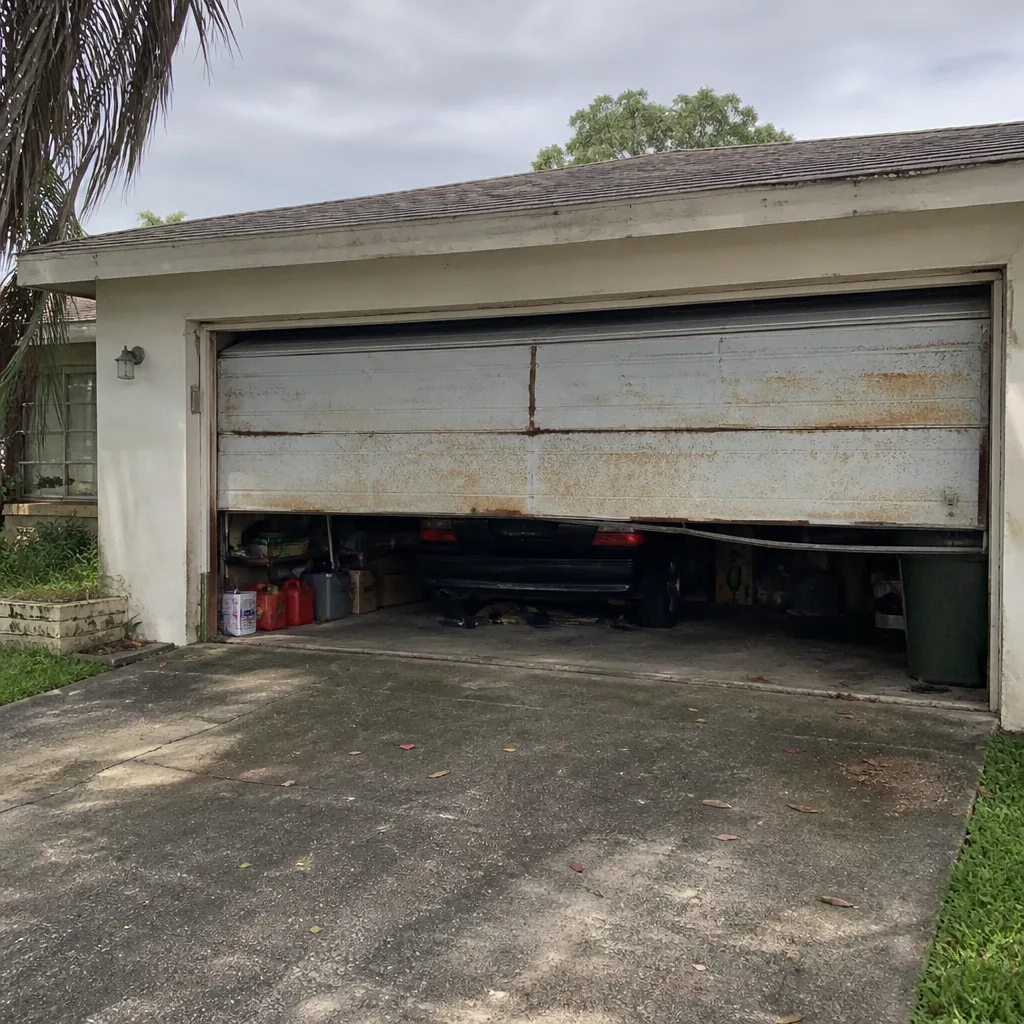 Before
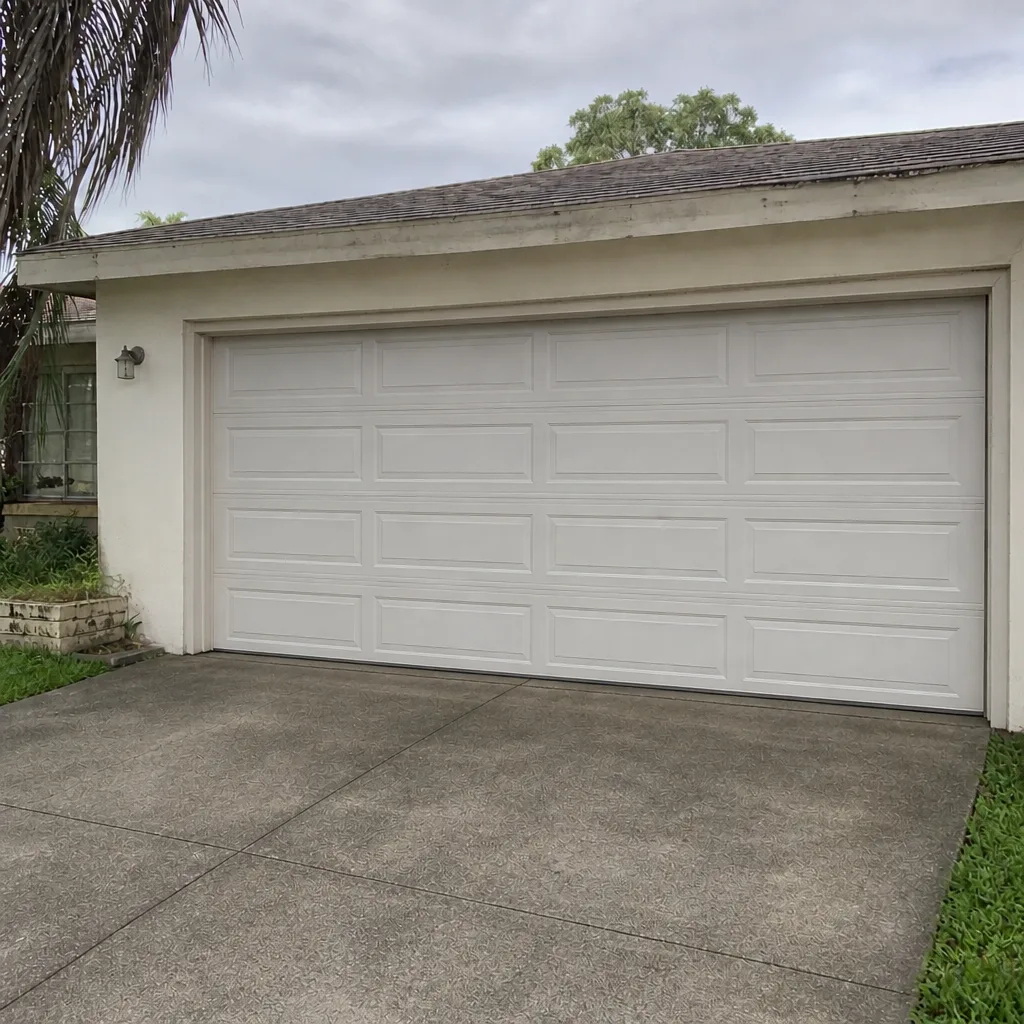 After
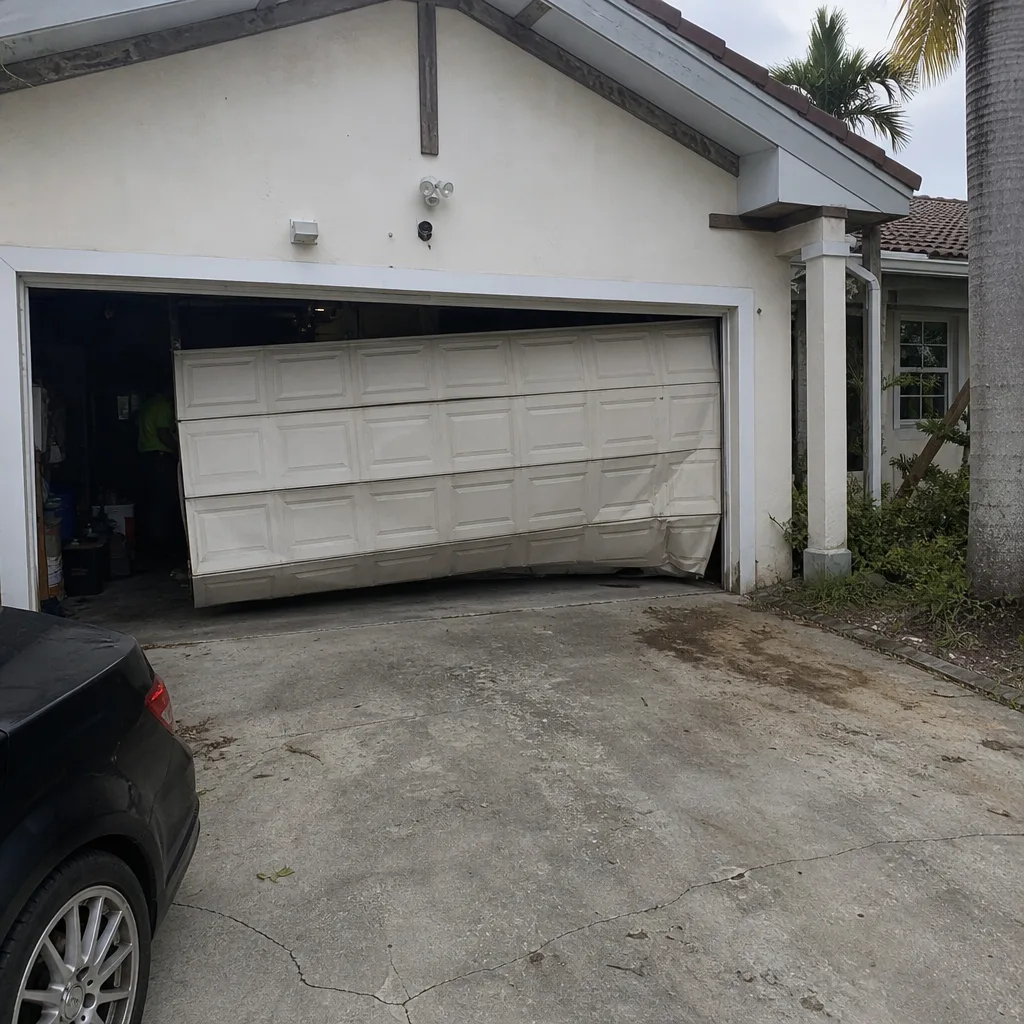 Before
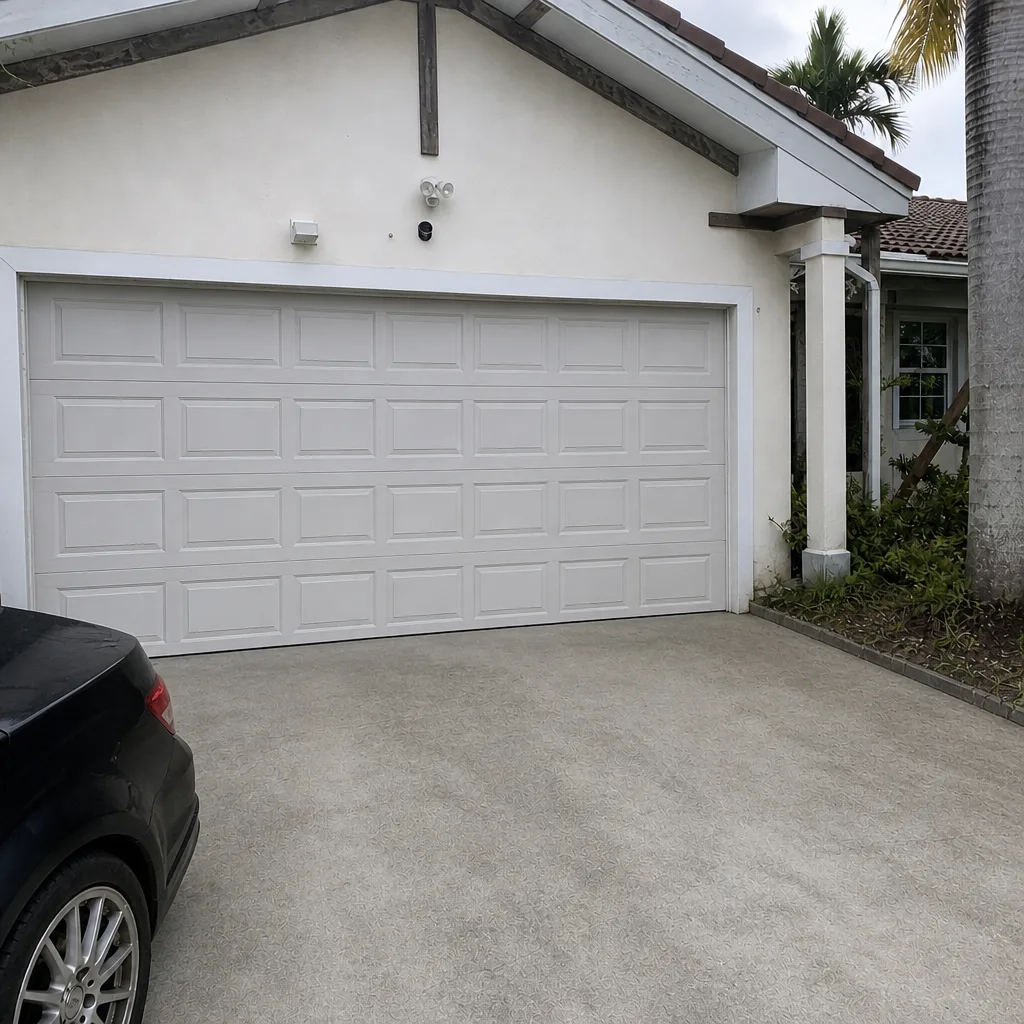 After
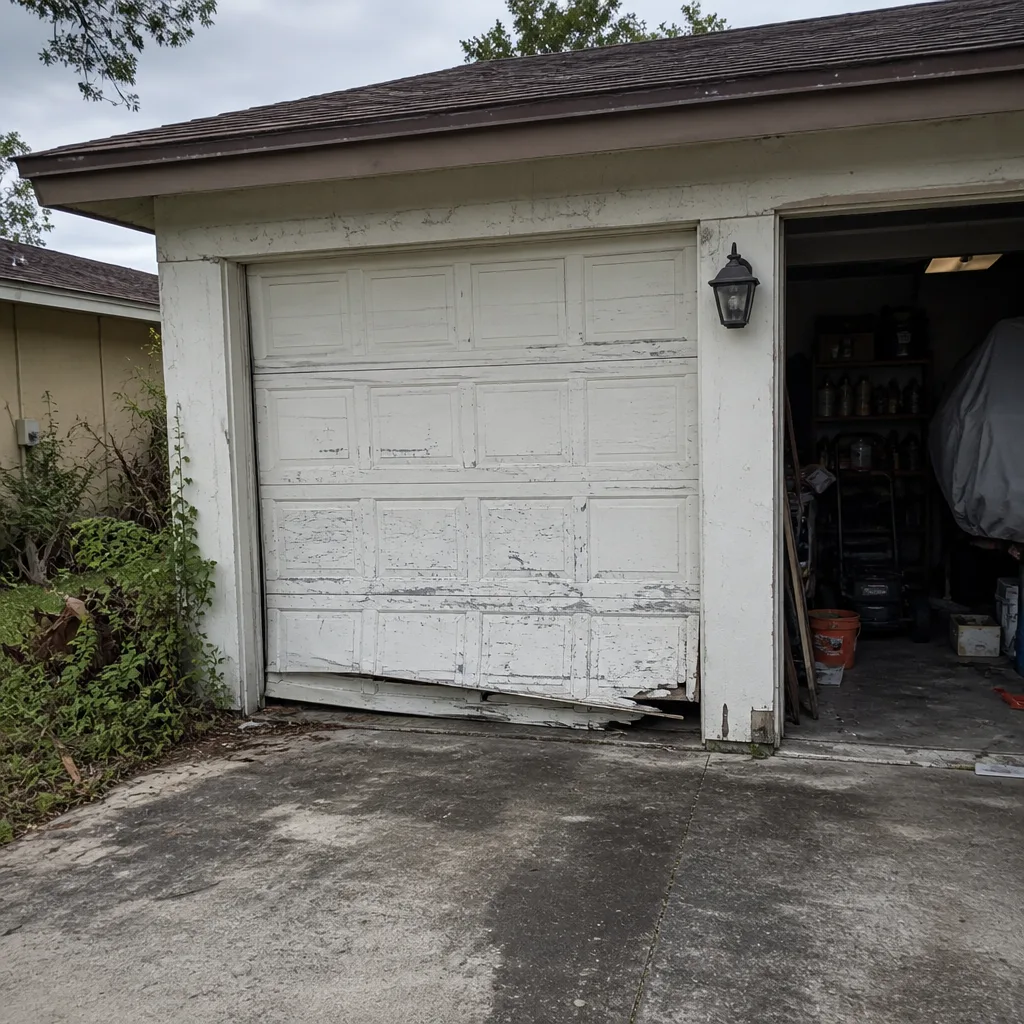 Before
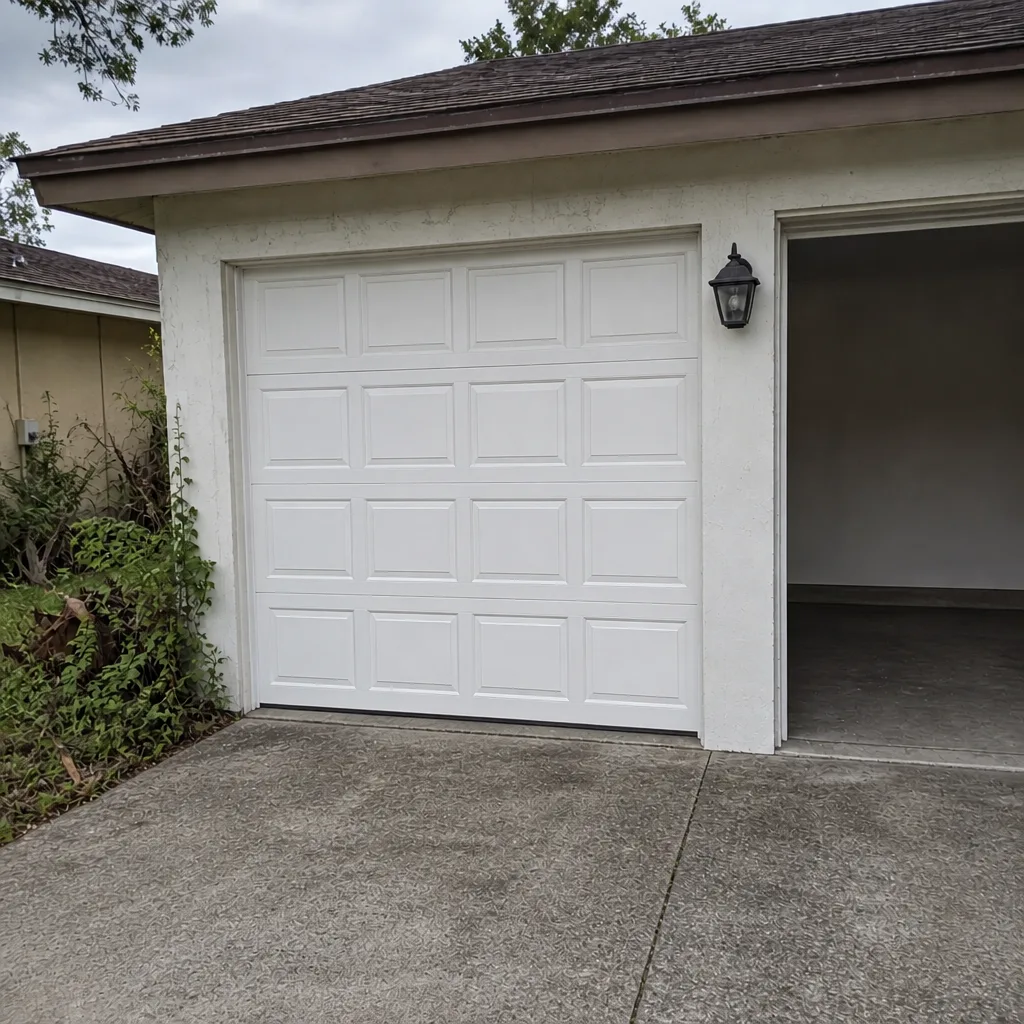 After
When to Call a Professional
Call a professional when the problem involves springs, cables, track replacement, or anything you can’t isolate with the three-step test. Call immediately if you hear a loud bang from the garage, if the door is crooked or off the track, or if a car is trapped inside. Also call when you’ve replaced a part and the problem came back – that’s a sign the root cause is still there. For a full-system diagnosis across the door, opener, and hardware, that’s what Miramar Garage Door Repair Pros does. We work on LiftMaster, Chamberlain, Genie, Clopay, and several other major brands, so we diagnose the equipment you already have. Miramar Garage Door Repair Pros offers free estimates in Miramar – call (855) 593-6861. We answer 24/7. Fast dispatch from 7am to 7pm, Sunday through Friday. The price is quoted and agreed before any work starts, so there are no surprises when the invoice arrives.
Frequently Asked Questions
Most garage door repairs in Miramar fall in the $150 to $400 range, depending on the part and the labor involved. A sensor realignment or lubrication service is usually at the low end. Spring replacement, opener repair, and track work sit higher. The written estimate you receive before work starts is the final price. Call (855) 593-6861 for an exact quote – estimates are free.
Yes, same-day service is often available for repair calls in Miramar. We answer 24/7, and dispatch runs from 7am to 7pm, Sunday through Friday. If you call outside dispatch hours, we book you into the next opening. Call (855) 593-6861 for availability. The price is quoted and agreed before any work starts.
No. The price we quote before work begins is the price you pay. If we find a second issue while we’re on site, we tell you what it is and what it costs before we touch it. You approve before we proceed, and there’s no charge for the diagnosis itself. Call (855) 593-6861 to book a free estimate.
Yes. The local professional we connect you with is licensed and insured as their state requires. Our technicians have up to 8 years of experience, including spring and opener work on LiftMaster, Chamberlain, Genie, Clopay, and several other brands. Call (855) 593-6861 for an exact quote – estimates are free.
Humidity. Miramar’s summer air causes wood panels and frames to absorb moisture and swell, which changes the clearances the door was built with. A door that binds only during the wet season needs a clearance adjustment or a panel material that doesn’t absorb moisture. It’s rarely an opener problem. Call (855) 593-6861 to have it looked at – estimates are free.
A broken torsion spring usually announces itself with a loud bang, and the door becomes extremely heavy or won’t open at all. You may also see a visible gap in the coil. If you suspect a broken spring, stop using the door and call a technician. Do not pull the manual release or try to lift the door yourself. Call (855) 593-6861. We answer 24/7. Fast dispatch from 7am to 7pm, Sunday through Friday.
The Bottom Line
Almost every garage door problem in Miramar traces back to one of four root causes: mechanical wear, misalignment, electrical or sensor failure, or humidity-related swelling. The symptom you notice is usually a costume the real problem is wearing. Test the door, opener, and track separately before you replace anything. Lubricate the hardware, clean the sensors, and check the diagnostics before you spend money on parts. And never touch the springs or cables – those are technician work, full stop. When troubleshooting runs out of road, one call handles the diagnosis, the repair, and the installation if it comes to that. For Miramar Garage Door Repair Pros, that’s the whole point of a full-system service.
Call (855) 593-6861 for a free estimate. We answer 24/7. Fast dispatch from 7am to 7pm, Sunday through Friday. The price is quoted and agreed before any work starts.
Written by the team at Miramar Garage Door Repair Pros.