
Last updated November 22, 2026
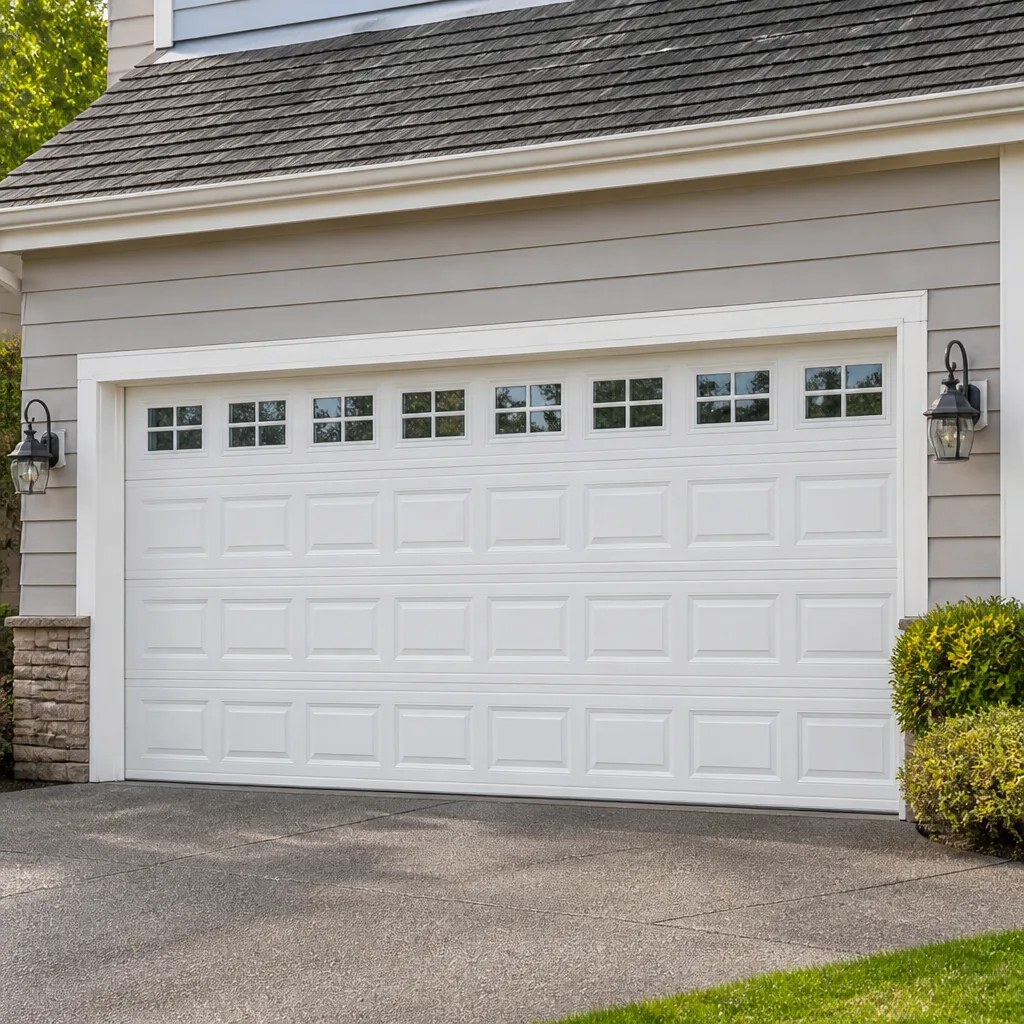 Raised-panel steel
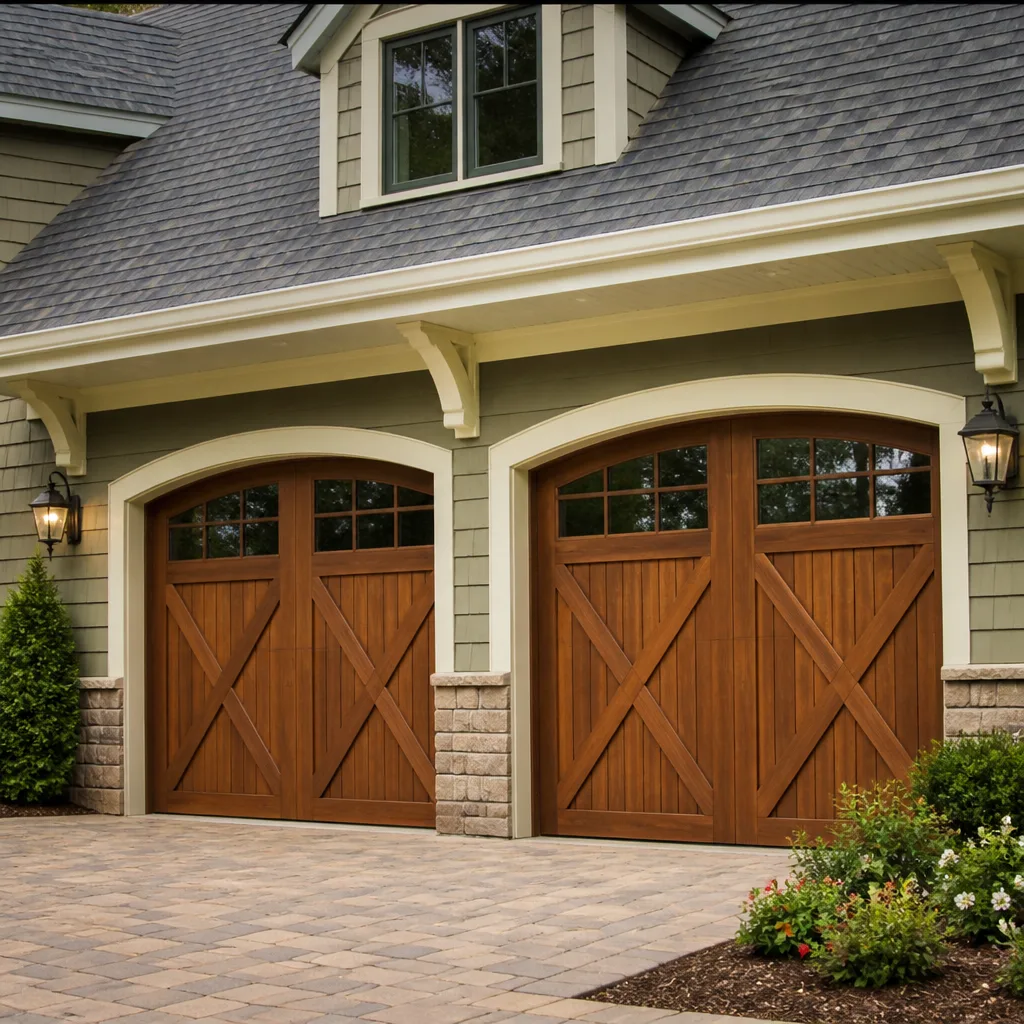 Carriage house
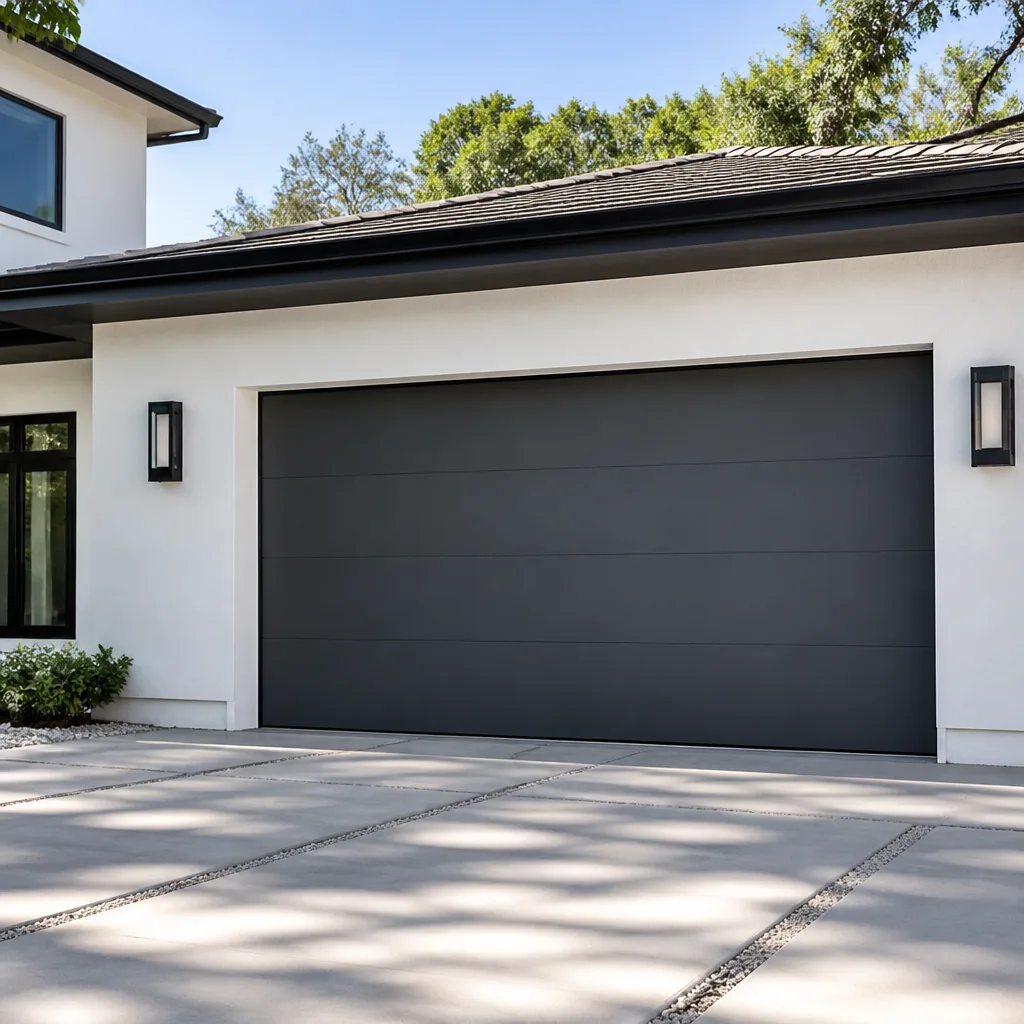 Modern flush
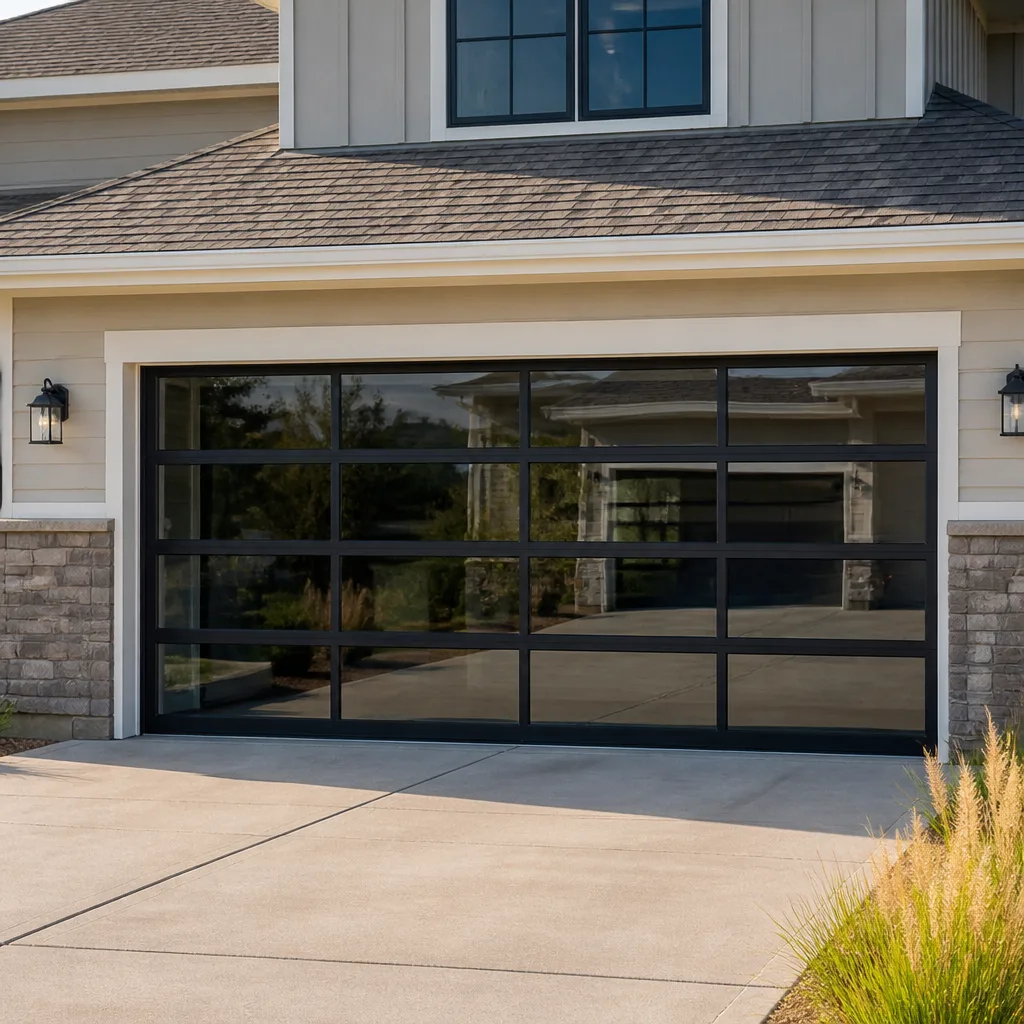 Full-view glass
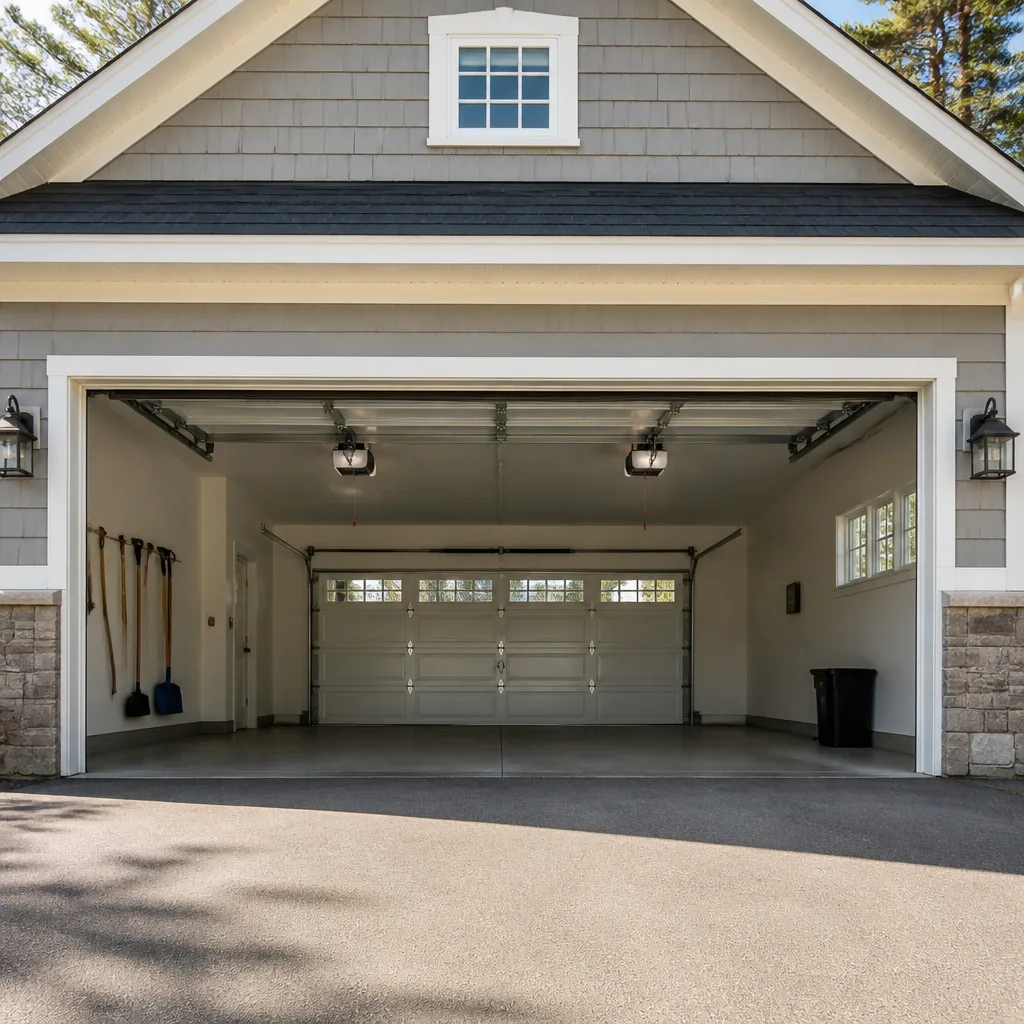 LiftMaster openers
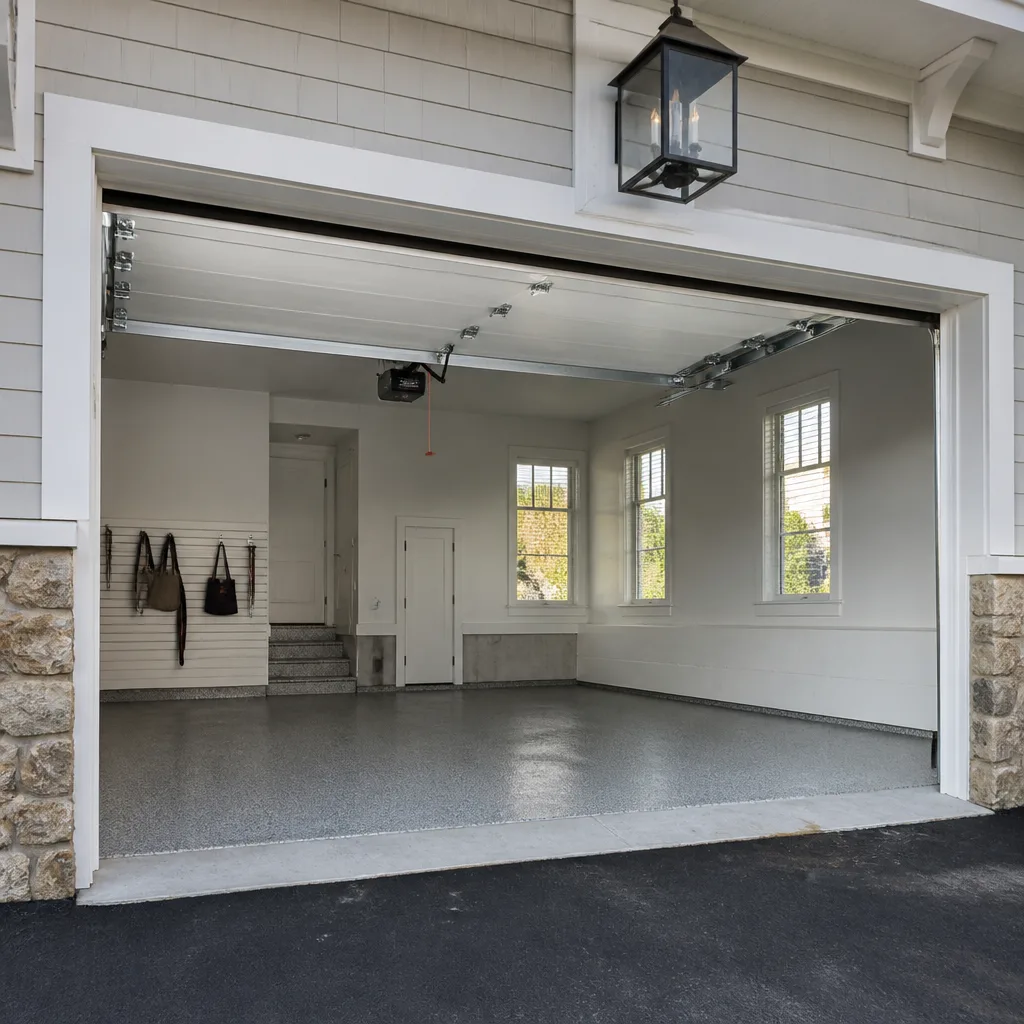 Chamberlain openers
Full 25-point door and opener safety check with every visit - springs, cables, rollers, tracks, and your LiftMaster or Chamberlain opener included
You get a price before we start. It does not change when the pro arrives.
Get your free estimateGarage Door Warning Signs: A Miramar Homeowner’s Reference Guide
A garage door that hesitates for two seconds before it moves is not “just old.” That pause is a message. It means the spring tension and the opener motor have fallen out of balance with each other, and whichever one is working harder is the one that will fail first. Most homeowners in Miramar wait for a door to stop completely before they call anyone, and by then a small wear problem has usually become a whole-system problem. This guide covers the quiet signals – the uneven drop, the streak of rust, the grind that comes and goes – that show up weeks before a breakdown. We’ll show you how to read each one and what it typically means.
Styles & brands we work with
- Raised-panel steel
- Carriage house
- Modern flush
- Full-view glass
- LiftMaster openers
- Chamberlain openers
Quick Answer
The earliest garage door warning signs in Miramar are a two-second pause before the door moves, one side dropping faster than the other, rust-colored streaks below the spring, and a grinding or popping noise that comes and goes. Each points to a specific worn component – spring, cable, roller, or opener – and most get more expensive the longer they’re ignored. If you notice any of these, get the door looked at before it stops working entirely.
Table of Contents
- The Two-Second Hesitation Before Your Door Moves
- Uneven Movement: What One Side Dropping Faster Really Means
- The Manual Disconnect Test: Motor Strain vs. Spring Balance
- Rust Streaks Below the Spring: Why They’re Urgent, Not Cosmetic
- Noise Diagnostics: Grinding, Squealing, Popping, and Rattling
- How South Florida Heat Affects Opener Logic Boards
- Remote and Sensor Problems That Point to Something Bigger
- What You Should Never Try to Fix Yourself
- Common Mistakes to Avoid
- When to Call a Professional
- Frequently Asked Questions
The Two-Second Hesitation Before Your Door Moves
Press the button and count. If your door sits still for a beat before it starts to lift, that delay is one of the most useful diagnostic signals a garage door gives you. A healthy door responds almost the instant the opener engages. A hesitation means the opener is meeting resistance from the very start – the door is heavier than it should be, and the motor is compensating.
That resistance almost always traces back to one of two things: a spring that has lost tension and is no longer carrying its share of the door’s weight, or an opener that has lost torque and can no longer move a properly balanced door. When those two are out of balance, one takes the strain. Springs fail suddenly and violently. Motors wear out quietly and then quit. The hesitation tells you the fight is already underway.
Why Miramar’s Climate Accelerates This
Miramar’s summer heat and humidity work on the door’s moving parts year-round. Lubricant thins faster in sustained warmth, rollers dry out and start to drag, and metal surfaces in an unconditioned garage hold moisture during the rainy season. None of that causes a spring to fail on its own, but it adds friction the opener has to overcome. A door that hesitates in July may have run smoothly in January on the same springs. The heat didn’t break anything – it tipped a marginal system over the edge.
If you notice the hesitation, watch whether the delay gets longer over a week or two. A hesitation that stays the same might be a tired opener with years left in it. A hesitation that grows is telling you something is actively failing. When that’s the case, our garage door repair technicians can diagnose the balance and tension before the door fails entirely.
Uneven Movement: What One Side Dropping Faster Really Means
Watch your door from outside the garage with the light on. If one side reaches the ground before the other, or if the door rises at a visible angle, most homeowners assume the track is bent or the door has come out of alignment. That’s almost never the actual problem. Uneven movement is nearly always a cable or spring issue, and the track is just following along.
Here’s what’s happening. Each side of a garage door has its own torsion or extension spring and cable system. Those two sides are supposed to carry the door’s weight evenly. When one cable stretches, slips, or starts to fray, or when one spring loses tension, that side stops pulling its weight. The door tilts toward the weaker side. The track isn’t causing the tilt – it’s reacting to it.
What It Points To
- Cable wear or slippage: A cable that has jumped a drum or stretched will cause one side to lag. This is the most common cause of a tilted door and the most dangerous one to ignore.
- One spring losing tension before the other: On doors with two springs, they rarely wear at the same rate. One weakening side pulls the door off level.
- A roller off its track: Less common as a cause of tilt, but a roller that has popped out can leave one side dragging.
This is the signal that most often gets misdiagnosed and left alone. A door that tilts a little still opens, so it feels manageable. But a cable under load is the part of the system most likely to break without warning, and a door moving unevenly puts extra stress on the track and hinges every single time it runs. In our experience, uneven movement is the warning sign that most deserves a same-week call, not a wait-and-see. If you want the mechanics explained in more depth, our guide on garage door spring repair covers how the two sides are supposed to balance.
The Manual Disconnect Test: Motor Strain vs. Spring Balance
This is the single most useful test a homeowner can run, and it separates the two most common failure sources. The manual release cord lets you detach the opener from the door so you can feel how the door moves on its own. What the door does with the opener disconnected tells you which component is struggling.
How to Run the Test Safely
- Close the garage door and make sure no one is standing in the door’s path.
- Pull the red manual release cord hanging from the opener rail. You’ll hear the trolley disconnect from the door.
- With the opener disconnected, lift the door by hand to about waist height. Use the handle, not the panels, and keep your fingers clear of the hinges.
- Let go at waist height. A balanced door should stay roughly where you let it go, maybe drifting slowly.
- If the door crashes down fast or feels very heavy to lift, the spring system is not carrying its share of the weight.
If the door is light and holds its position by hand, but the opener still struggles or hesitates to move it, then the spring system is fine and the opener motor is the weak link. That’s a motor or logic board problem, not a spring problem. The distinction matters because it’s the difference between a spring job and an opener job. Running the test also gives you a clean description to give whoever services the door, which saves diagnostic time.
Watch for the door that lifts easily but won’t stay put – it drifts down on its own. That’s a spring that’s lost most of its tension, and it should be looked at before the opener is used again. But never try to adjust, wind, or replace a spring yourself. That is the most dangerous repair on the whole door, and it’s where our garage door opener repair technicians see the most confusion between motor and spring faults. Reconnect the opener afterward by following the manufacturer’s instructions or by asking a technician to reset the trolley.
Rust Streaks Below the Spring: Why They’re Urgent, Not Cosmetic
A rust-colored streak running down the inside of the garage door, directly below the spring or along the steel cable, is not a cosmetic complaint. Those streaks are usually a mix of rust and the fine metallic dust that comes off a cable or spring as it begins to fail. A worn steel cable sheds tiny fibers. A spring losing its coating lets moisture reach the steel. The stain you see is the material coming off the part.
This signal matters more in Miramar than in a dry climate. During the rainy season, garages that aren’t air-conditioned hold humidity for long stretches. That humidity speeds up corrosion on springs and cables that have already started to wear. A streak that appears in June may be coming from a fairly new cable that’s just now showing distress, or from an older one that’s been quietly weakening for months.
What to Look For
- Brown or orange streaks beneath the torsion bar or spring: usually corrosion or shed metal from a spring or cable.
- Grayish-black dust on the door or floor below the spring: fine steel fibers from a frayed cable.
- A single dark line along the cable itself: the cable is wearing unevenly and may be near a break.
- Streaks that appear suddenly after rain: moisture has reached a part that’s already compromised.
If you see any of these, treat it as urgent. A frayed cable or a corroding spring can let go without warning, and a door that drops is a serious safety hazard. Don’t pull on the cable or try to wipe the streak away to see if it returns – have it looked at. A technician can tell you in minutes whether it’s surface rust, a worn cable, or a spring that needs replacing.
Noise Diagnostics: Grinding, Squealing, Popping, and Rattling
Garage doors make noise, but the kind of noise tells you which part is talking. Most people lump every sound together as “the door is loud.” Each of these four sounds points to a different component, and each has a different urgency.
Grinding
A low grind, especially at the start or end of travel, usually means metal is dragging on metal. That’s often a roller that’s seized or a hinge that’s worn out, forcing parts to scrape instead of roll. Left alone, a seized roller gouges the track. Grinding is a wear-and-friction problem that’s cheaper to fix early.
Squealing
A high-pitched squeal points to a lack of lubrication or a bearing in a roller or the opener’s gear assembly wearing out. Squealing from the opener unit itself rather than the door often means a worn drive gear inside the motor. A squeal from the tracks is usually dry rollers or a dry torsion bar.
Popping
A sharp pop, especially when the door is partway up or down, can be a spring that’s shifting or a cable slipping on its drum. Popping is one of the sounds to take most seriously. A cable that skips can suddenly release, so a pop combined with uneven movement should get a technician’s eyes on it quickly.
Rattling
Rattling is usually loose hardware – brackets, hinges, or the opener’s mounting. It’s the least urgent of the four, but persistent rattling loosens the bolts it rides on, which eventually causes uneven movement. A quick tightening resolves it.
How to Tell Where the Sound Comes From
- Have someone else run the door while you stand in the garage.
- Listen from the center of the door, then move to each side to hear whether one side is louder.
- Listen from the opener unit at the ceiling to separate motor noise from door noise.
- Note whether the sound happens at the start, the middle, or the end of travel – the timing narrows the cause.
If the noise is a pop or a metallic scrape near the springs or cables, stop running the door and have it looked at. Our technicians are trained on LiftMaster and Craftsman openers as well as the door-side hardware, so they can trace a sound to the right component rather than replacing parts on a guess.
How South Florida Heat Affects Opener Logic Boards
The electronics inside a garage door opener don’t fail in a single dramatic moment. They fail in stages, and heat is the accelerant. A garage in Miramar can get genuinely hot in the summer, and that heat builds up in a closed space with no airflow. Logic boards, capacitors, and motors that sit in that environment age faster than the same opener would in a cooler climate.
The warning signs of heat-related electronic failure usually show up in a pattern rather than a single symptom. You might notice the opener responds to the wall button but not the remote, or works fine in the morning and fails in the afternoon, or requires two presses before it engages. Those intermittent problems are the board struggling, not a dead opener.
Signs of Opener Electronics on the Way Out
- Intermittent response: sometimes the door opens on the first press, sometimes it needs two or three.
- Wall button works, remote doesn’t: the receiver chip on the logic board is failing.
- Lights flash a code sequence: most modern openers have an LED that blinks a pattern when the board detects a fault. Note the pattern and have it checked.
- The door reverses or stops in the same spot: the travel limits are drifting as the board’s memory or sensors degrade.
- The opener runs only when the garage is cool: classic heat-related failure, more common in Miramar’s summer afternoons.
Because openers from LiftMaster, Chamberlain, Genie, Craftsman, Wayne Dalton, and Raynor all handle logic boards and safety sensors differently, diagnosing electronics means knowing the specific brand’s behavior. We service all of those brands, so we can read your opener’s fault codes and tell you whether you’re looking at a sensor, a board, or a worn gear. If the opener is failing from heat, the fix may be a board replacement rather than a whole new unit – and it’s worth knowing which before you decide.
Remote and Sensor Problems That Point to Something Bigger
A remote that works only up close is a nuisance. A remote that works only up close and a door that sometimes reverses before closing is a pattern. Safety sensors are designed to stop a door if something crosses the beam, and they’re also one of the most common points of misdiagnosis. When a door reverses without an obstruction, the sensor isn’t the problem – the sensor is reporting a problem the door is actually having.
Common Sensor and Remote Signals
- Sensor LED flickers or stays off: the beam is misaligned or the sensor lens is dirty. Clean and realign first.
- Door reverses in the same spot every time: something in the track is triggering the sensor’s reflection, or the track has a physical obstruction the sensor is catching.
- Remote range drops over weeks: a battery issue, but also a sign the opener’s receiver is losing sensitivity.
- Two remotes fail at the same time: the opener’s receiver or logic board is failing, not the remotes.
When sensor and remote issues are intermittent, they often trace back to the same worn opener electronics covered in the heat section. Don’t replace remote after remote – check the opener first, and if the pattern keeps returning, have the opener tested.
What You Should Never Try to Fix Yourself
A garage door’s springs and cables are under extreme tension, and that tension is what makes the door feel light. When someone with the wrong tools and no training tries to work on a spring or a cable, the result can be a serious injury. This isn’t a warning to scare you into calling; it’s the plain reason spring and cable work is reserved for trained technicians with the right winding bars and the right procedure.
Components You Should Not Adjust or Replace Yourself
- Torsion and extension springs: under extreme tension, and releasing that tension without proper tools is genuinely dangerous.
- Lift cables: a cable under load can snap with force that causes serious injury.
- The torsion bar and drums: the winding and unwinding process requires specialized handling.
- Any adjustment that involves the door’s balance: the balance is set by the spring system, and adjusting it wrong can cause the door to fall.
What you can safely do: keep the door’s tracks clean and free of debris, check that the safety sensors are aligned, test the manual release to confirm the door’s balance, and tighten visible hinge and bracket bolts. Everything on the list above should go to a technician. Our spring work is handled in-house specifically because it’s the highest-risk repair on the door – if you suspect a spring or cable problem in Miramar, stop using the door and have it checked.
Common Mistakes to Avoid
- Ignoring a two-second hesitation because the door still opens. The delay is the earliest and cheapest warning sign. Waiting for a full failure usually means a bigger repair, sometimes involving both the spring and the opener.
- Assuming a tilted door is a track problem. Uneven movement is almost always a cable or spring issue. Straightening the track yourself won’t fix a balance problem and can hide a cable that’s about to break.
- Wiping away a rust streak to see if it comes back. The streak is often shed metal and corrosion from a failing cable or spring. The stain coming back tells you it’s still happening, so have it inspected instead of treated as a cleaning job.
- Replacing remotes when the opener is the problem. If two remotes fail at the same time, the receiver or logic board inside the opener is the likely cause. New remotes won’t fix a failing board.
- Lubricating the whole door and calling it maintenance. Spraying everything can attract dust and hide a seized roller. Knowing which parts need lubrication, and which are worn out, matters more than a coat of grease.
- Trying to adjust a spring or cable to save the service call. A spring under tension is not a DIY repair. Even a small slip can cause serious injury. This is the one mistake that’s worth a call every time.
When to Call a Professional
Some warning signs can wait for a scheduled appointment, and some can’t. Call a professional right away if you see a cable with visible fraying, a door that’s dropped unevenly or is off its track, a popping or scraping sound near the springs or cables, or a door that won’t stay closed. These are the signs where continuing to use the door risks injury or a bigger breakdown. For a door that hesitates, squeals, or reverses occasionally without an obvious obstruction, you have a little more time, but the pattern will only get worse if it’s ignored.
Miramar Garage Door Repair Pros offers free estimates in Miramar – call (855) 593-6861. We answer 24/7, and fast dispatch from 7am to 7pm Sunday through Friday gets a technician to your door when you need one. We diagnose first, then recommend, so you’ll know whether you’re looking at a repair or a replacement before any work begins.
Frequently Asked Questions
A two-second hesitation before the door moves is the most common early warning sign, and it usually means the spring tension and opener motor are out of balance. The harder the system has to work, the sooner the weaker component fails. If your door pauses before it moves, have it checked before it stops altogether.
A garage door drops on one side because of a cable or spring problem, not a track problem. One side has stopped carrying its share of the door’s weight, so the door tilts toward that side. A worn cable or a spring that’s lost tension is the usual cause. Call (855) 593-6861 for an exact diagnosis – estimates are free.
Yes, rust streaks below the spring area are an urgent signal, not a cosmetic one. They’re usually a mix of corrosion and shed metal from a spring or cable that’s beginning to fail. A compromised spring or cable can let go without warning, so don’t run the door repeatedly and have it inspected right away.
Use the manual disconnect test to find out. Pull the red release cord, then lift the door by hand. If it’s heavy or falls when you let go, the springs are the problem. If the door is light and holds position but the opener still struggles, the motor is the problem. Our technicians run the same test before recommending any repair in Miramar.
If the grinding comes from near the springs or cables, stop using the door and have it looked at. Grinding near the tracks or hinges is usually a seized roller or dry part that needs attention soon but isn’t a safety issue. A metallic scrape near the spring or a popping sound is the one to treat as urgent.
Yes, sustained heat speeds up wear on logic boards, capacitors, and motors. The warning signs are intermittent responses, needing two presses to open, or a remote that works only some of the time. If your opener fails only on hot afternoons, heat-related electronic failure is likely and worth a diagnosis.
The Bottom Line
The garage door warning signs worth watching are the subtle ones: a hesitation before the door moves, one side dropping faster than the other, rust streaks below the spring, and noises that come and go. Each points to a specific part, and each gets more expensive the longer you wait. The manual disconnect test tells you whether the problem is in the springs or the opener. South Florida heat shortens the life of opener electronics, so intermittent responses are worth investigating early. If you notice any of these in Miramar, get the door looked at before it fails. We work on the brand you already have – from LiftMaster and Chamberlain openers to Clopay, Amarr, Wayne Dalton, and Raynor doors – and our technicians have up to 8 years of experience with the full system. Call (855) 593-6861 for a free estimate. We answer 24/7. Fast dispatch from 7am to 7pm, Sunday through Friday. The price is quoted and agreed before any work starts, so you’ll know the cost upfront.
You can start with Miramar Garage Door Repair Pros if you want the full range of what we service, and reach out whenever a warning sign shows up. One call, full system – the diagnosis, the repair, and, if it comes to it, a replacement door handled by the same team.
Written by the team at Miramar Garage Door Repair Pros.
See the difference
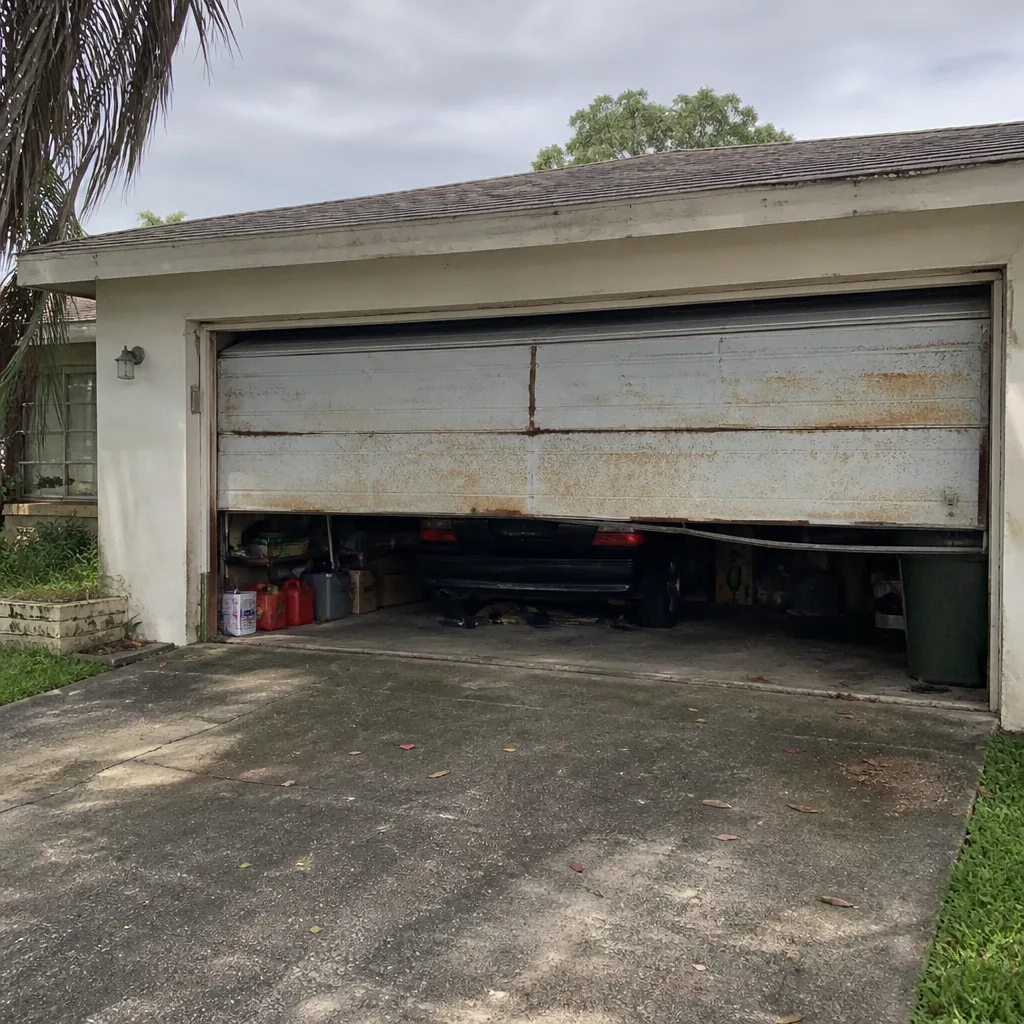 Before
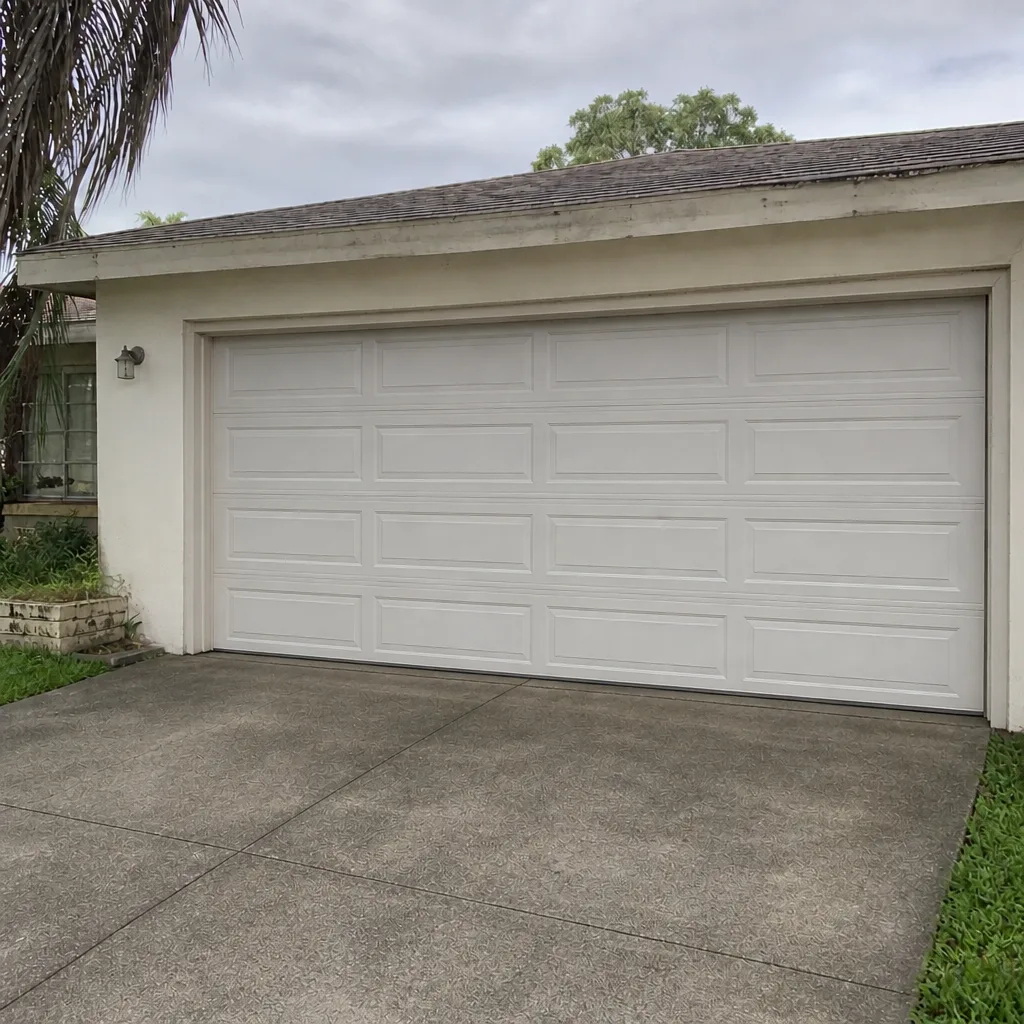 After
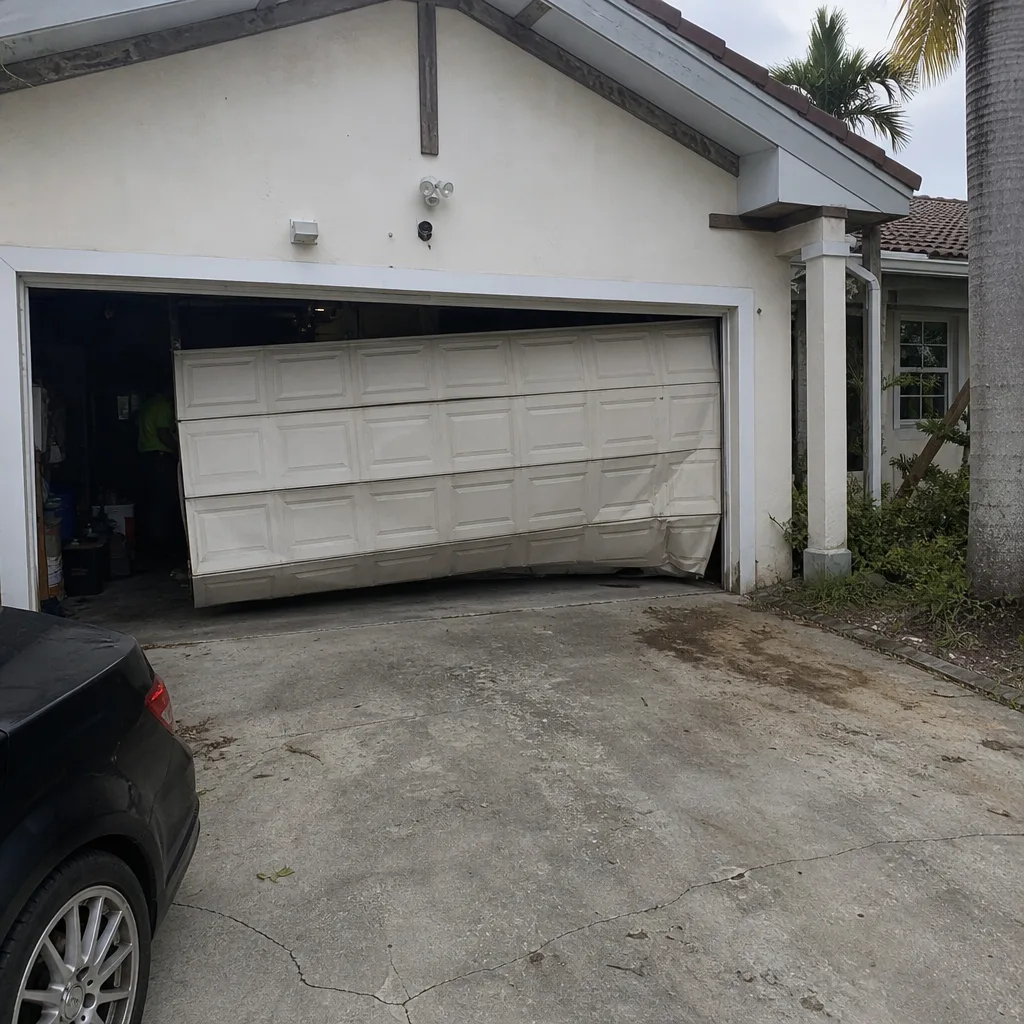 Before
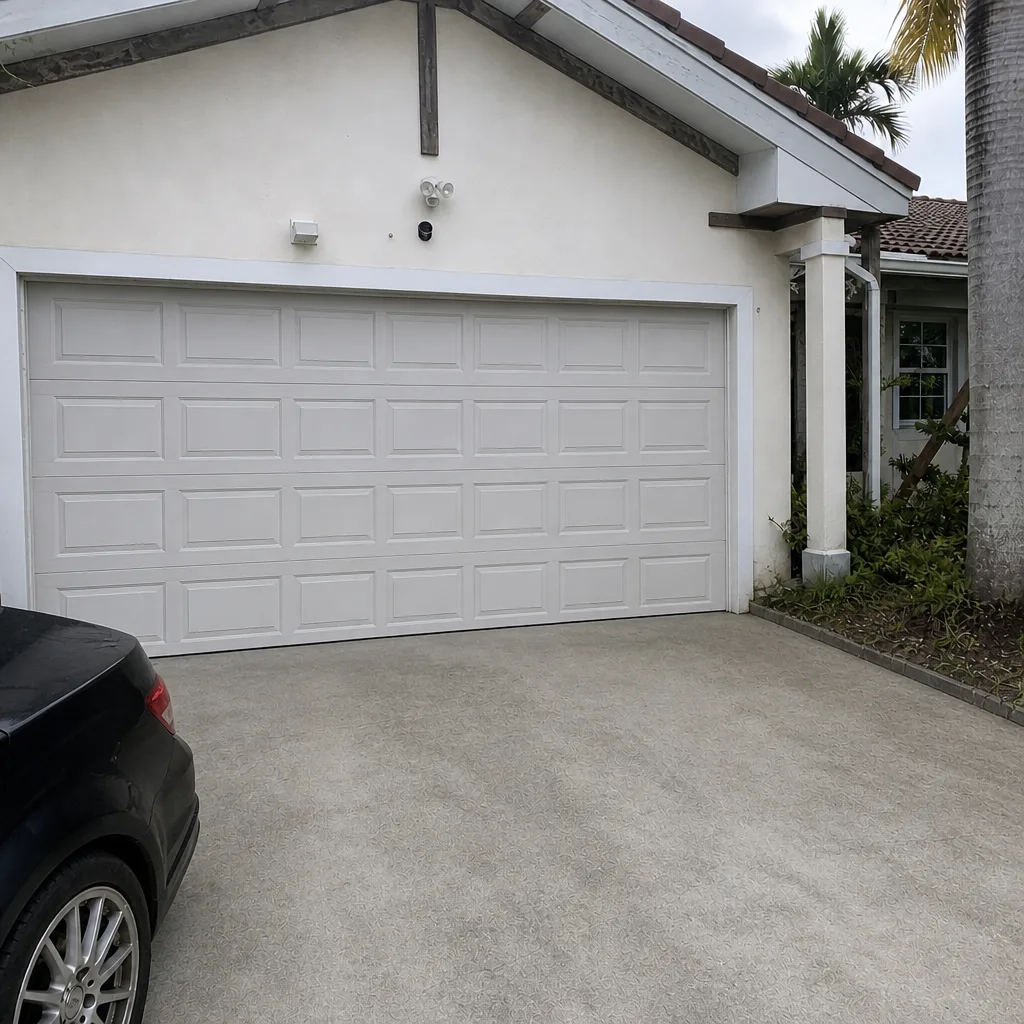 After
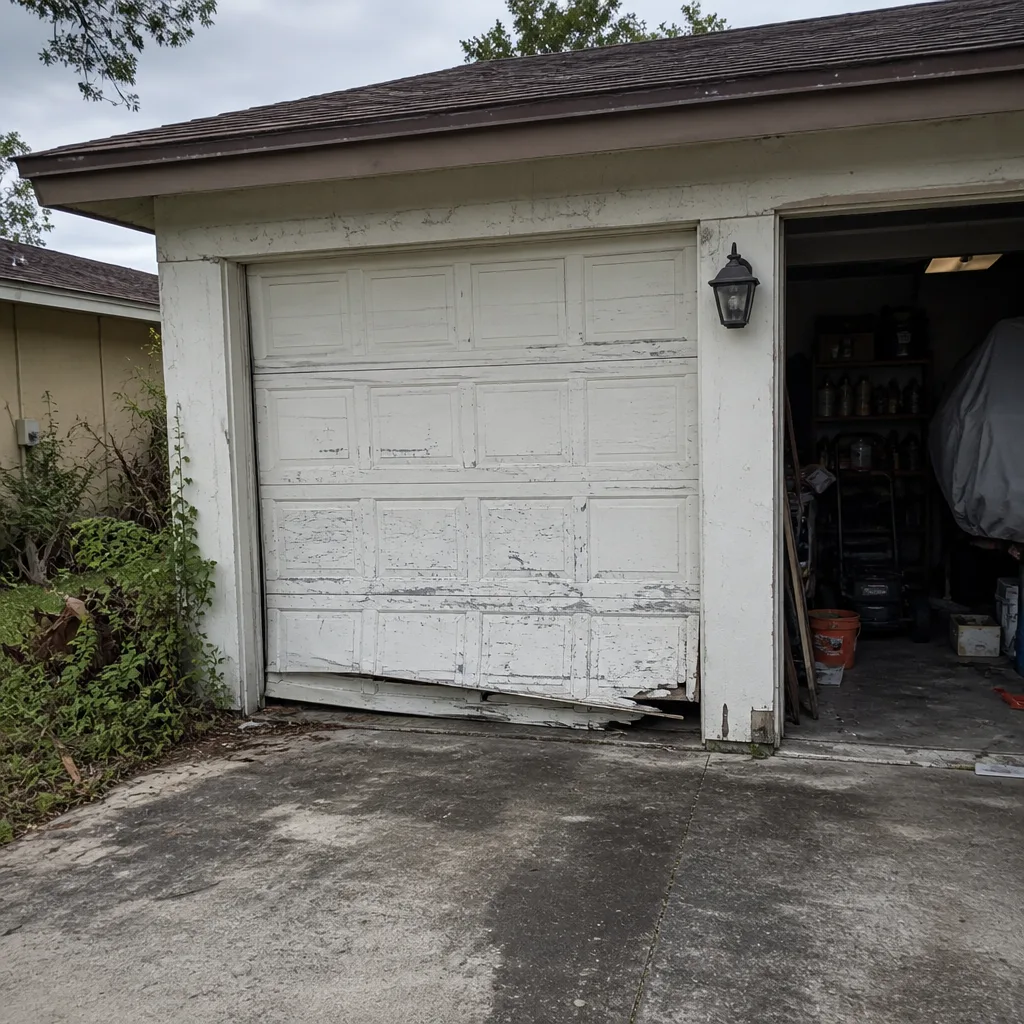 Before
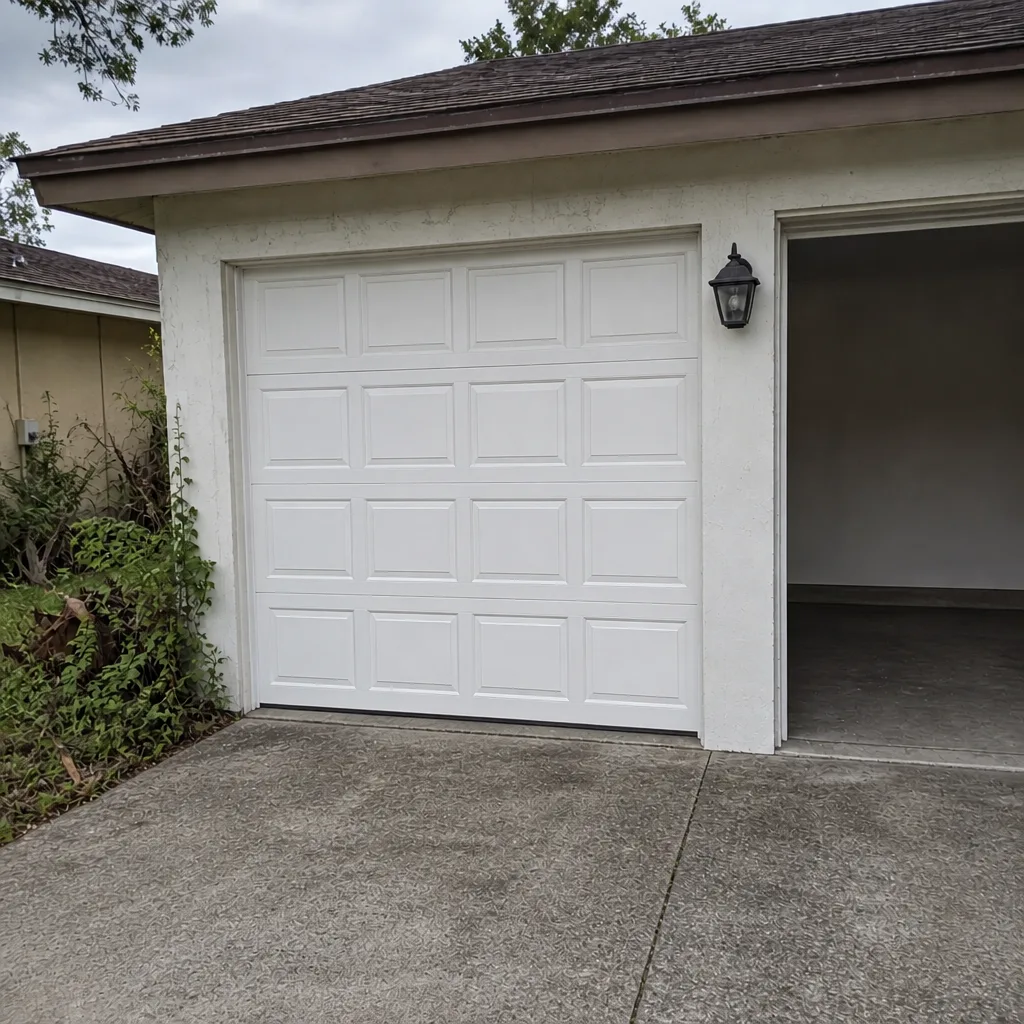 After