
Last updated November 22, 2026
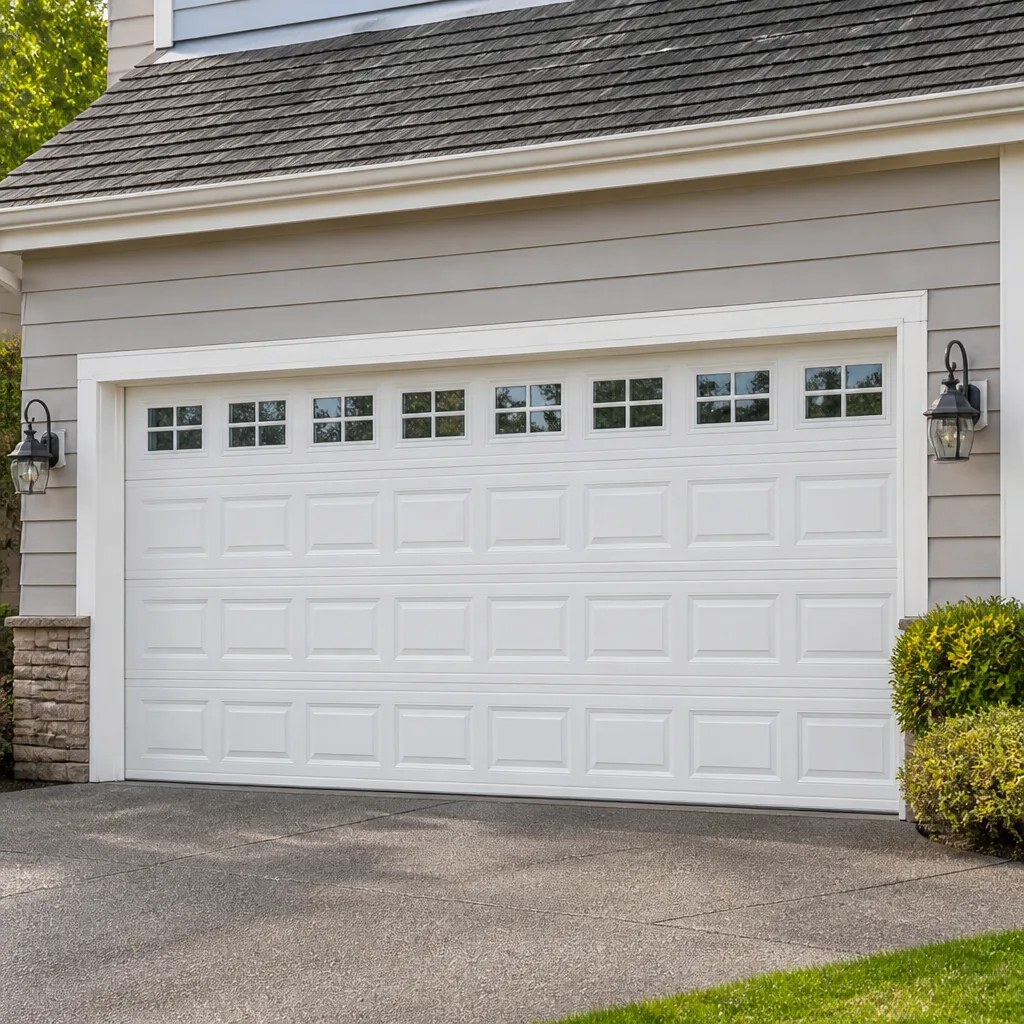 Raised-panel steel
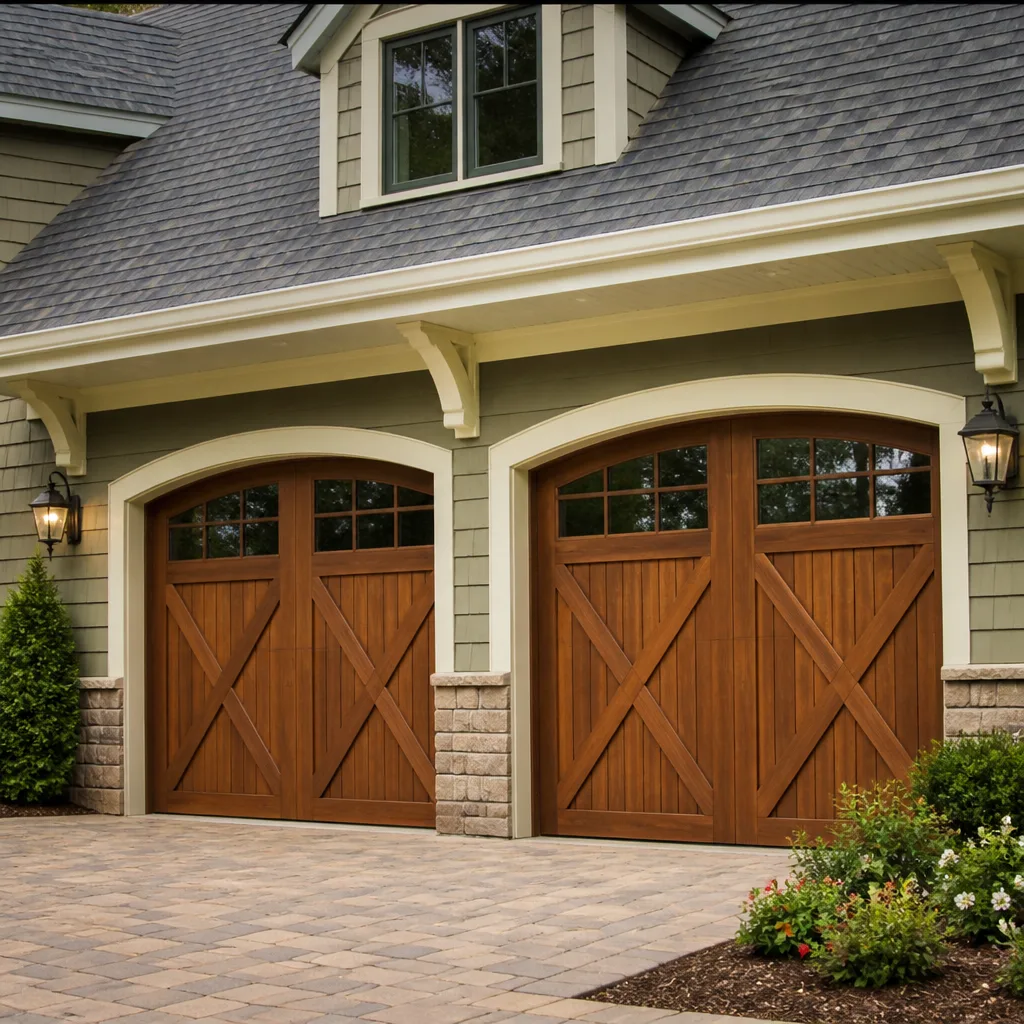 Carriage house
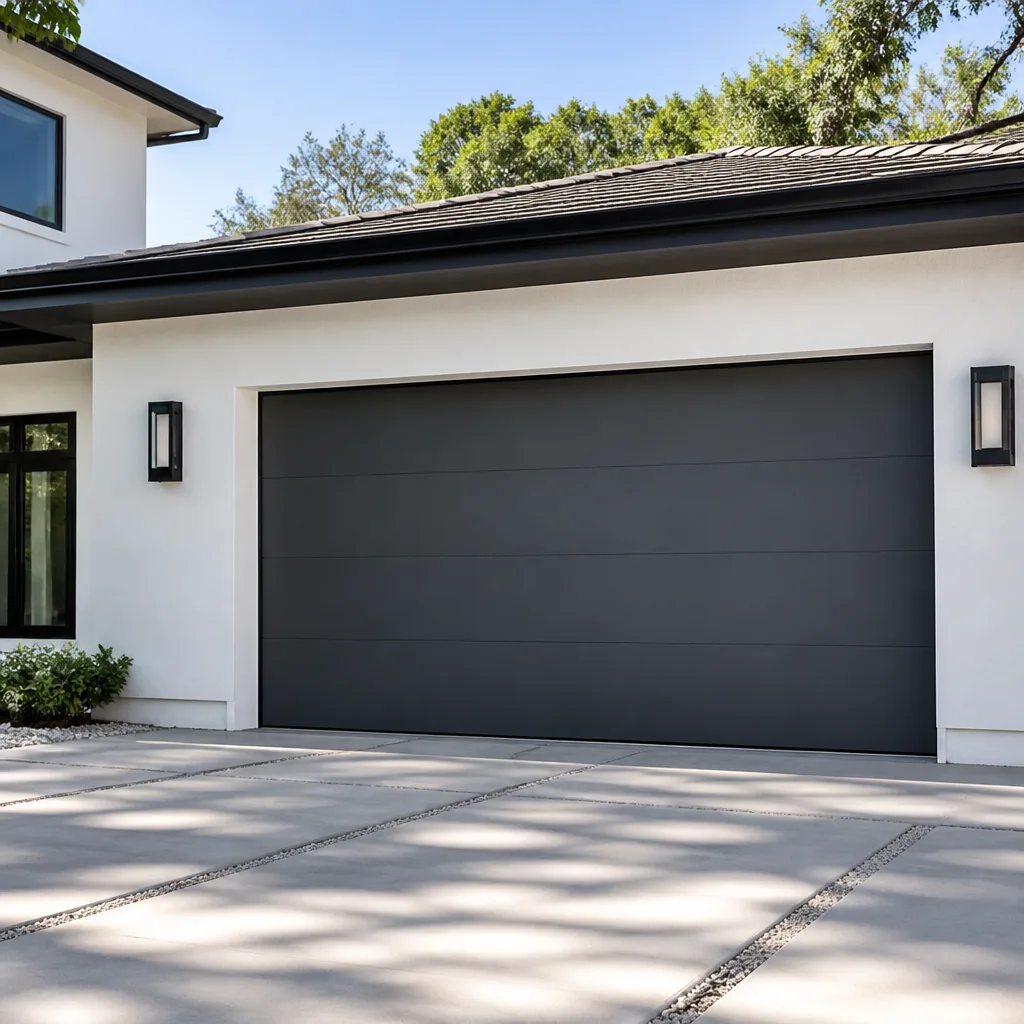 Modern flush
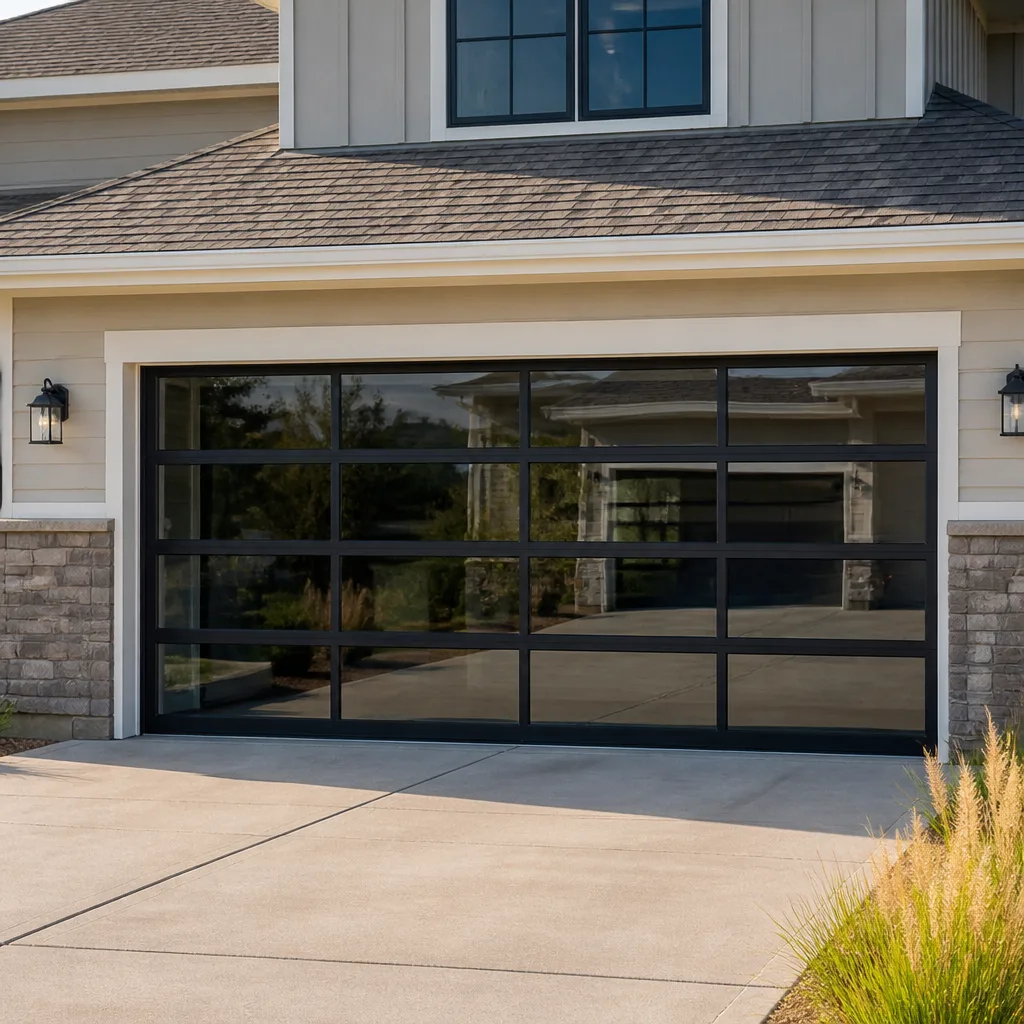 Full-view glass
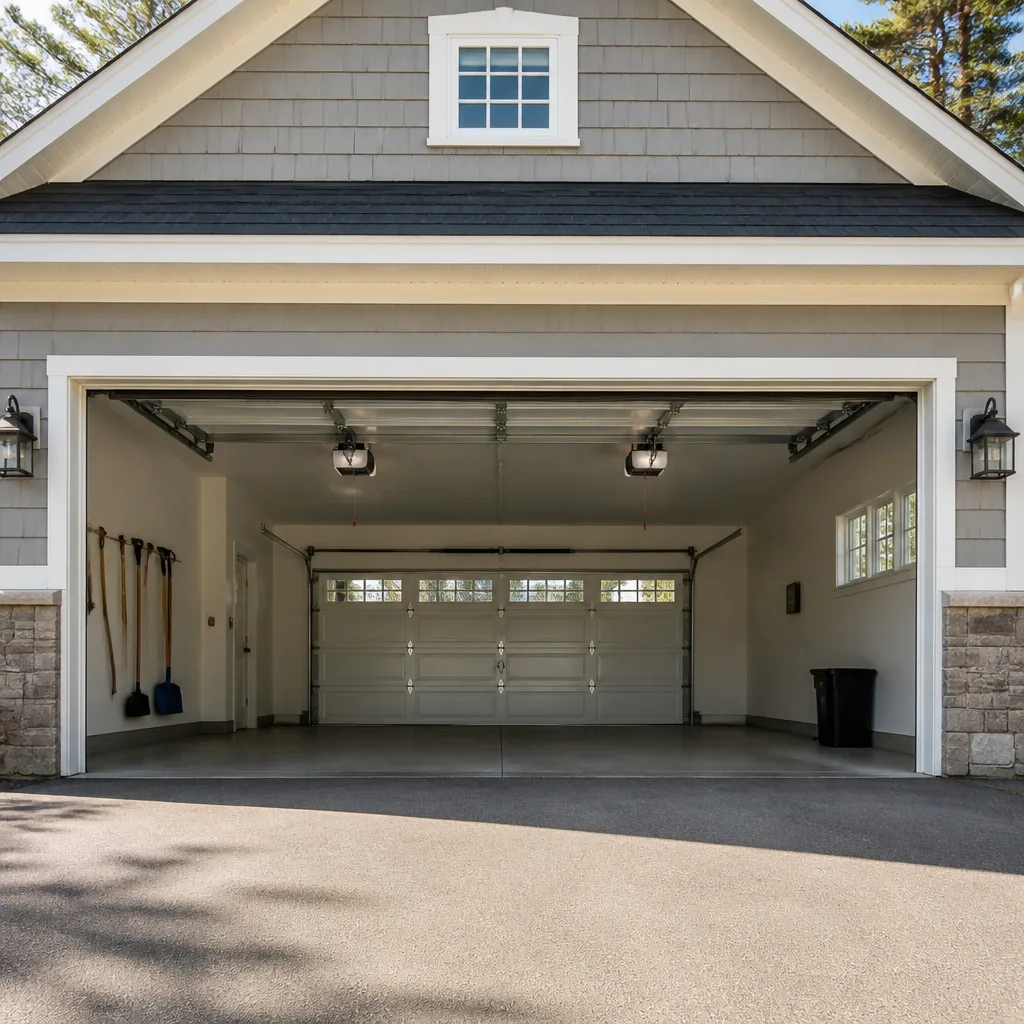 LiftMaster openers
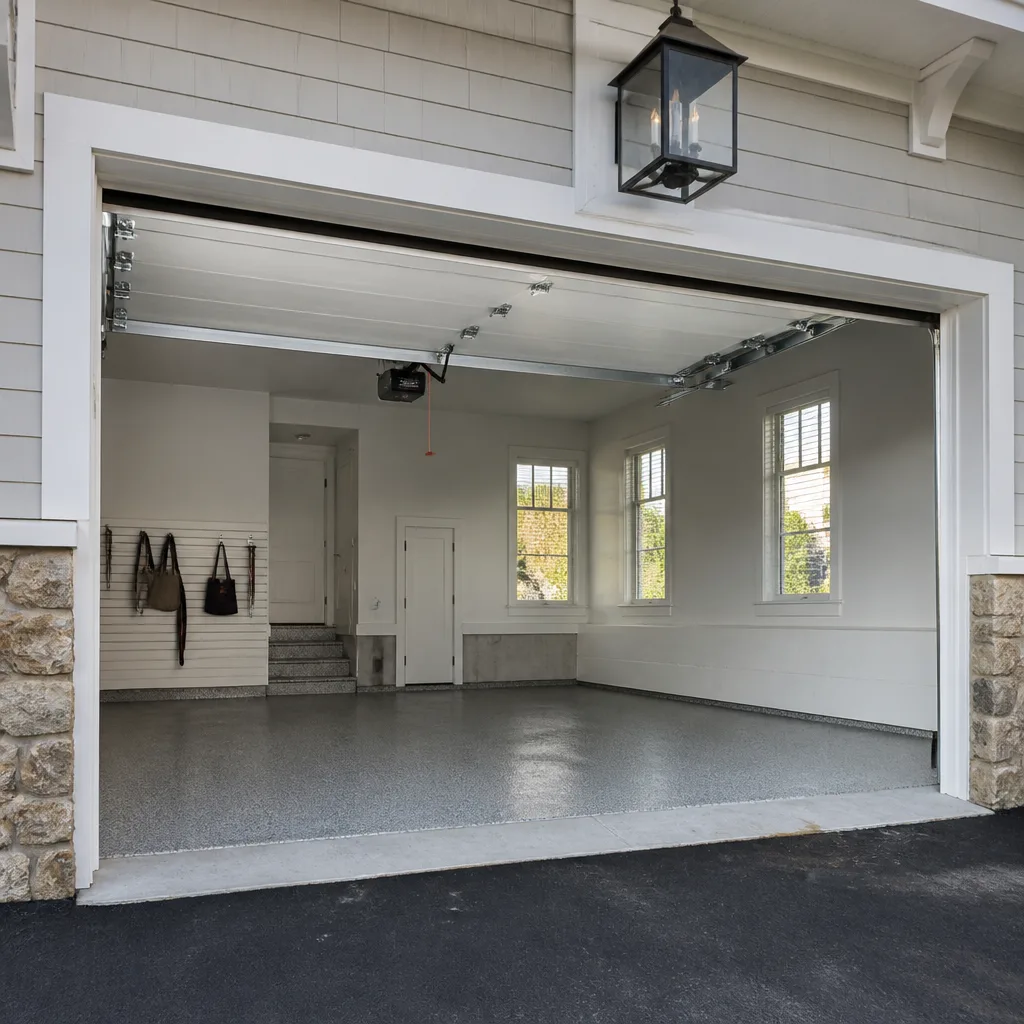 Chamberlain openers
Full 25-point door and opener safety check with every visit - springs, cables, rollers, tracks, and your LiftMaster or Chamberlain opener included
You get a price before we start. It does not change when the pro arrives.
Get your free estimateSeasonal Garage Door Care for Miramar: Year-Round Homeowner’s Guide
Most garage door maintenance advice you’ll find online was written for a place with four real seasons, and it shows. It tells you to prep for winter freezes, watch for ice, and brace for a cold-weather breakdown. In Miramar, that calendar is close to useless. The year here splits into two phases that stress a garage door in completely different ways: a hot, wet stretch from June through November when humidity, afternoon storms, and hurricane risk all pile up at once, and a drier, cooler winter when the weather actually cooperates with bigger projects. This guide organizes garage door care around those two phases. You’ll get a pre-season checklist, a mid-season inspection routine, the best window for repairs and upgrades, and the few things worth hiring out.
Quick Answer
Garage door care in Miramar runs on a two-phase calendar, not four seasons. In April and May, before hurricane season, you check rated hardware, seals, and the manual release; through June to November you listen for new noises after storms and watch tracks and openers for heat and humidity strain; and from November to March, when the weather is driest and most stable, you handle spring replacement, panel work, and opener upgrades with the least disruption.
Styles & brands we work with
- Raised-panel steel
- Carriage house
- Modern flush
- Full-view glass
- LiftMaster openers
- Chamberlain openers
Table of Contents
- Why Miramar’s Two Climate Phases Matter More Than Four Seasons
- The April-May Pre-Hurricane Season Checklist
- Mid-Season Care: July Through September
- The Dry Season Window: November Through March
- How Temperature Swings Affect Spring Tension
- Year-Round Humidity Management
- A Simple Monthly Walk-Around
- What to Handle Yourself and What to Leave to a Technician
Why Miramar’s Two Climate Phases Matter More Than Four Seasons
Telling a Miramar homeowner to “prepare for winter” the way a Connecticut homeowner does misses the point entirely. The real threat here runs from June through November, when daily humidity, afternoon storms, and hurricane risk all peak at the same time. Your garage door sits on the front line of all three.
Think about what that stretch actually does to a door. The humidity climbs and stays high for months, working on every steel component in the system. The sun hits the west-facing door of a home in Sunset Lakes or Monarch Lakes and the surface temperature runs far above the air temperature, which makes the metal expand and the panels move. Then a summer squall rolls through, drops a lot of water in a short window, and pushes wind against a door that’s designed to close an opening, not necessarily to hold a seal against driving rain. Each of those stresses the door a little differently, and none of them shows up in a northern maintenance guide.
Winter here is the opposite: cooler, drier, and far more predictable. January mornings in Miramar can dip low enough to feel genuinely cool, but you’re not dealing with snow load or a hard freeze. That makes the dry months the right time for the work that requires a door to be out of commission for a few hours, and for the repairs you want done before the wet season returns.
So instead of a spring-summer-fall-winter rotation, this guide uses two buckets. The wet, hot, storm-driven phase and the dry, stable phase. Keep both in view and your door stays ahead of the problems that actually happen in Miramar.
The April-May Pre-Hurricane Season Checklist
The weeks before hurricane season are the most important maintenance window of the year in Miramar. This is when you want to find the weak points on your own schedule rather than during a storm watch. Work through this list before June arrives.
- Check the hurricane-rated hardware. If your door is rated for wind, the rating lives in specific reinforced parts: heavier hinges, stronger rollers, and anchored brackets. Look for loose fasteners, rust at the mounting points, and anything bent or backed out. A rated door only performs as rated when every one of those parts is tight and intact.
- Look at the bottom seal and side seals. The bottom seal is your first defense against wind-driven rain and the pests that come with it. Run a hand along it and press it against the floor. A seal that’s cracked, torn, or flat needs replacing before the wet months.
- Test the manual release. With the door closed, pull the release handle and lift the door by hand. It should move smoothly and stay put partway up. Then re-engage it and run the door with the opener. This tells you whether you can open the door if the power goes during a storm.
- Clear the travel path and check the tracks. Anything stored near the door, on the floor or on the tracks, becomes a projectile in high wind if the door fails. Clear it now. Check the vertical and horizontal tracks for dents and obvious bends.
- Inspect the panels for cracks or loose sections. Small cracks in an aluminum or steel panel spread under wind pressure. Look along seams and corners, especially on a door facing the weather.
- Test the balance. Disconnect the opener and lift the door to waist height. A balanced door stays roughly where you let go. If it drops or feels heavy, the springs are losing tension and should be checked before summer.
If any of these turn up a problem, that’s the moment to book it. For the deeper jobs, like a sagging door, a snapped spring, or a panel replacement, a free estimate now beats a repair scramble later. To read about how a repair visit works, see our page on garage door repair.
Mid-Season Care: July Through September
This is the stretch that tests everything. The sun is at its strongest, the humidity is at its highest, and the storms come through on a near-daily pattern. Your job here is listening and looking, not overhauling.
After-storm checks
Every time a squall passes through, take two minutes. Walk the door’s path, look for water intrusion at the bottom seal, and check that nothing shifted. If the door suddenly sounds different, grinds, or doesn’t close flush, the storm may have pushed water into the tracks or shifted a bracket. A door that closes unevenly after a storm deserves a look before the next one.
Condensation and your opener
An attached garage in Miramar stays humid, and that humidity finds its way into the opener’s housing. The circuit board inside a WiFi-enabled unit from LiftMaster or Chamberlain is not designed to sit in a damp environment for months. The signs are subtle: a remote that works one day and not the next, the door reversing for no clear reason, or a wall button that needs more than one press. If you notice those, have the opener looked at. The fixes may run from drying out and reseating a connection to replacing a worn board, and it’s worth having it diagnosed rather than guessing. Our garage door opener repair team handles smart-home systems from the major brands.
Thermal expansion and track alignment
Metal expands in heat, and a track that runs the length of an overhead garage door is a lot of metal to move. When it moves, the gap between the track and the rollers changes, and the door can bind or chatter. Listen for a new rubbing sound on hot afternoons. If the door has a rough spot partway up, or a roller that seems to catch, the tracks may need realignment.
A few habits make this stretch easier. Park in the same spot so you’re not bumping the door with a mirror. Keep the door cracked for ventilation when it’s safe. And if you use a smart opener, glance at the app now and then for a door that reports open when it should be closed, which can be a sensor or a board issue.
The Dry Season Window: November Through March
The dry months are the best time of year to do the work that requires a stable, predictable forecast. If you’ve been putting off a spring replacement, a panel repair, or an opener upgrade, this is the window.
- Spring replacement. Springs lose tension over time and need to be matched to the door’s weight and the conditions. Replacing them in the dry season means the technicians are setting tension under conditions that won’t suddenly shift. For more on how springs behave and what replacement involves, see our page on garage door spring repair.
- Panel painting and refinishing. Paint and finishes cure best in moderate, dry weather. Winter in Miramar gives you that. A door repainted in December holds its finish through the following summer’s sun better than one rushed during a humid stretch.
- Opener upgrades. Upgrading to a WiFi-enabled opener is a straightforward install, and the cooler months mean less heat stress on the electronics during the changeover. A unit from Chamberlain or Craftsman with an integrated camera and app control is a sensible upgrade if you’re already touching the opener. For a door with a Raynor system, we can match the replacement to what the door was built for.
- Panel repairs and replacements. Dented or cracked panels are easier to source and install when there’s no storm-driven urgency. If a panel’s beyond repair, replacing it in the dry season keeps you out of the backup queue.
- Full installation. If the door is nearing the end of its usable life, winter is the time to plan a full replacement. Measure first, order the door, then install. Our Miramar Garage Door Repair Pros team handles installation as well as repair, so a door that’s too far gone doesn’t mean a second call to a different company.
Don’t wait for a failure to schedule dry-season work. A spring that’s due for replacement in January is a spring that won’t strand you in July.
How Temperature Swings Affect Spring Tension
Springs are calculated metal. The tension in a torsion or extension spring is set for a specific door weight, and that setting holds as long as the spring stays in its working range. Temperature moves that range. A Miramar summer pushes the metal and the surrounding structure warmer, and a January morning can run noticeably cooler. Over a season, a spring can drift away from its ideal tension even without a failure.
Here’s what that drift looks like in practice. A door that used to open smoothly gets a little heavier, or a little faster, or starts to creep down when you let go of it partway up. The opener works harder to compensate, and you might hear the motor strain on the first lift of the day. None of that means the spring is broken, but it does mean it’s worth checking.
Recalibrating tension on a torsion spring is not a homeowner job. Torsion springs store enormous energy, and the tools and technique involved can cause serious injury if a spring lets go while someone is working on it. We treat spring work as one of the most dangerous parts of the system, and our technicians handle it with proper winding bars and the door locked out. If you suspect tension drift, the safe move is to have it checked. The dry season is the natural time to have springs inspected and recalibrated so they’re set correctly going into the summer. There’s no benefit to waiting for the heat to make the drift worse.
One more thing about temperature: don’t judge your door on a single hot afternoon. A door that chatters at 3 pm on a July day and runs fine the next morning may just be reacting to the heat. A door that feels off every single day is the one to call about.
Year-Round Humidity Management
Humidity is the constant in Miramar. It’s not a summer-only problem; it’s a background condition that quietly works on every steel and moving part in the system. Corrosion in the tracks, stiffness at the hinges, creaky rollers, and a sticky opener board all trace back to moisture sitting where it shouldn’t. You can’t dry out the air, but you can slow the process.
- Vent the garage. An attached garage with a closed door traps humid air, especially after a storm. Cracking the door or opening a window when the weather is dry moves the air through and gives metal surfaces a chance to dry.
- Wipe down wet hardware after storms. If water worked its way onto the bottom brackets or the tracks, a quick wipe with a dry cloth removes the standing moisture before it starts rust.
- Keep the tracks clear of debris. Debris holds moisture against the metal. Sweep out the track channels and the floor along the door’s path.
- Watch water pooling at the threshold. If the floor near the door stays wet after storms, the bottom seal isn’t doing its job. A worn seal lets water in every time, and that’s a moisture source you can fix.
- Don’t stack storage against the door. Boxes and bins that sit against the door or block the tracks trap humid air and hide problems until they’re serious.
Lubrication and the humidity question
A light application of a garage-door-appropriate lubricant on the hinges, rollers, and springs helps push back against humidity. Do it a few times a year, more often in the wet season. The key word is light. Over-lubricating attracts dust and grit, which turns into a paste that wears parts faster. We recommend a silicone-based lubricant and a quick wipe of the tracks so you’re not building up a layer. If you’re not sure what’s safe on your specific brand, ask when you call.
A Simple Monthly Walk-Around
You don’t need a toolbox for most of this. A monthly five-minute check catches most problems while they’re still small. Run through these in order.
- Listen on the first lift of the day. Any new grinding, squealing, popping, or rattling is a signal.
- Look at the door’s bottom edge. It should sit flat against the floor with no gap and no light showing through.
- Test the safety sensors. Push a box or a trash can in front of the sensors while the door is closing. The door should reverse. This is a safety test, not an optional one.
- Test the balance. Pull the manual release, lift the door to waist height, and let go. It should stay roughly put. Re-engage and run the opener to confirm it works.
- Check the tracks for obvious bends or debris. Run a hand (door closed) along the vertical track and look up the horizontal run.
- Look for rust. Any new orange or brown streaks at the hinges, brackets, or bottom of the panels is moisture getting into the metal.
- Glance at the opener. Any blinking light or error code on the wall unit is worth noting.
Do this on the first of the month and you’ll get ahead of most seasonal problems. If a check turns up something you’re not sure about, a phone call costs nothing and a free estimate tells you what needs doing.
What to Handle Yourself and What to Leave to a Technician
Some garage door maintenance is genuinely homeowner-friendly: cleaning, lubricating, wiping down wet hardware, clearing debris, venting the garage, and testing the safety sensors. Those tasks extend the life of the door and cost you nothing but a few minutes a month. The rest is a different story.
Anything that involves the springs, the cables, the torsion shaft, or the opener’s internal electronics is the domain of a trained technician. Springs store enormous energy, and a cable that gives way under load is dangerous. High-tension parts fail without warning, and the right tools and the right procedure matter. We won’t walk you through winding a torsion spring, and no reputable garage door company should. If a spring is sagging, snapping, or drifting on tension, that’s a call, not a project.
The good news is that the split is clear. If your task on the monthly list is “look” or “clean,” go ahead. If it’s “adjust” or “replace” and it involves the mechanical system, hand it to someone with the training. Our technicians have up to 8 years of experience across the eight major garage door brands you’re most likely to own, from LiftMaster and Chamberlain openers to Clopay, Amarr, Wayne Dalton, Craftsman, and Raynor doors. We diagnose first and recommend based on what the door needs, not on what we happen to stock.
Common Mistakes to Avoid
- Following a northern maintenance calendar. Prepping for a hard freeze isn’t the threat here. The wet, hot, storm-driven stretch from June to November is, and the care list should match it.
- Ignoring small track misalignments. In Miramar’s heat, a bent track that rubs against a roller wears the roller and the door edge. Waiting until the door binds or stops halfway makes the repair bigger.
- Skipping the pre-hurricane hardware check. A rated door with a loose bracket is a rated door that may not hold. Check the hardware before the season, not during a watch.
- Storing items against the door. Bins and boxes in the path of the door become projectiles in an open-position failure and trap humidity against the steel. Keep the path clear.
- Over-lubricating. A little silicone on the hinges, rollers, and springs goes a long way. Too much attracts grit that turns into a wear paste.
- Putting off spring work until a failure. A spring that’s drifting or noisy gets worse, not better. Schedule the check in the dry season before summer arrives.
- Assuming an opener problem is a door problem. A door that opens unevenly or reverses mid-travel may be struggling because the spring is weak, not because the opener is bad. Diagnosing the wrong part wastes money.
See the difference
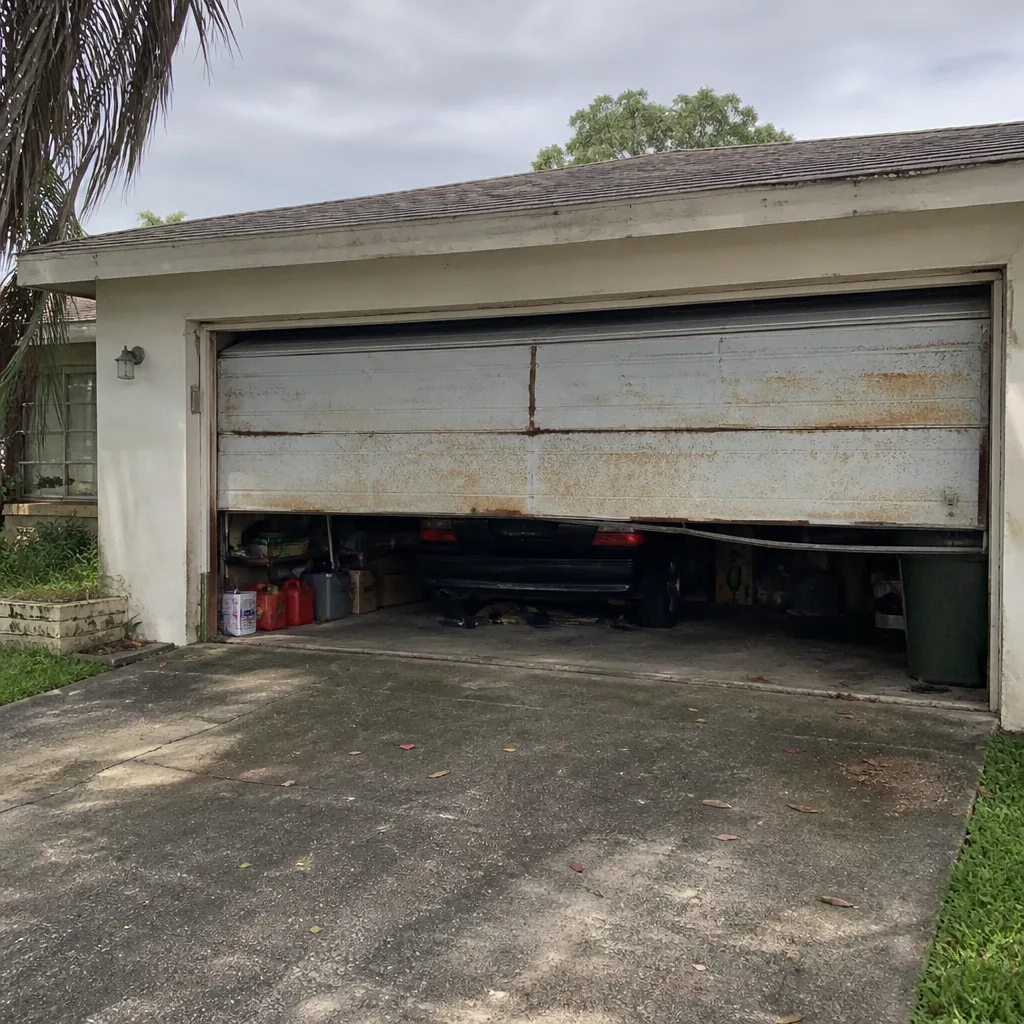 Before
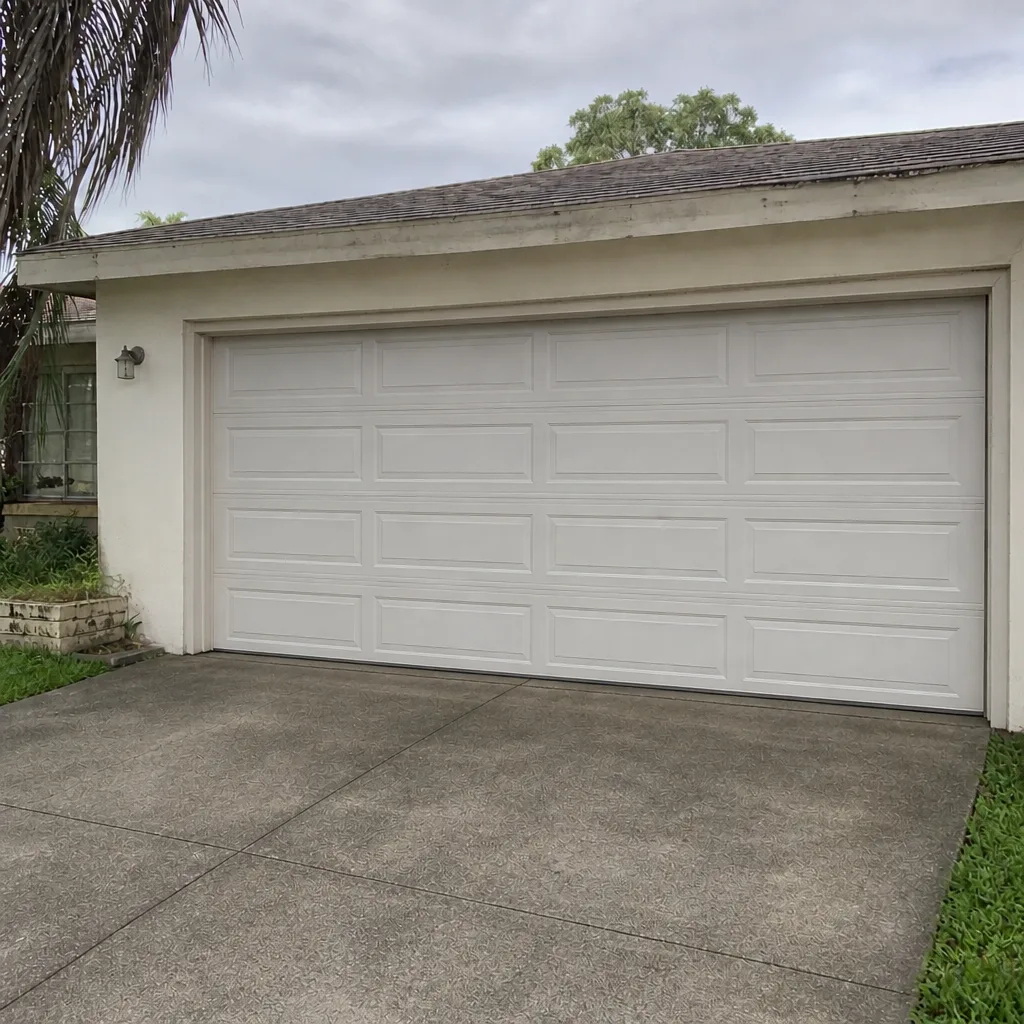 After
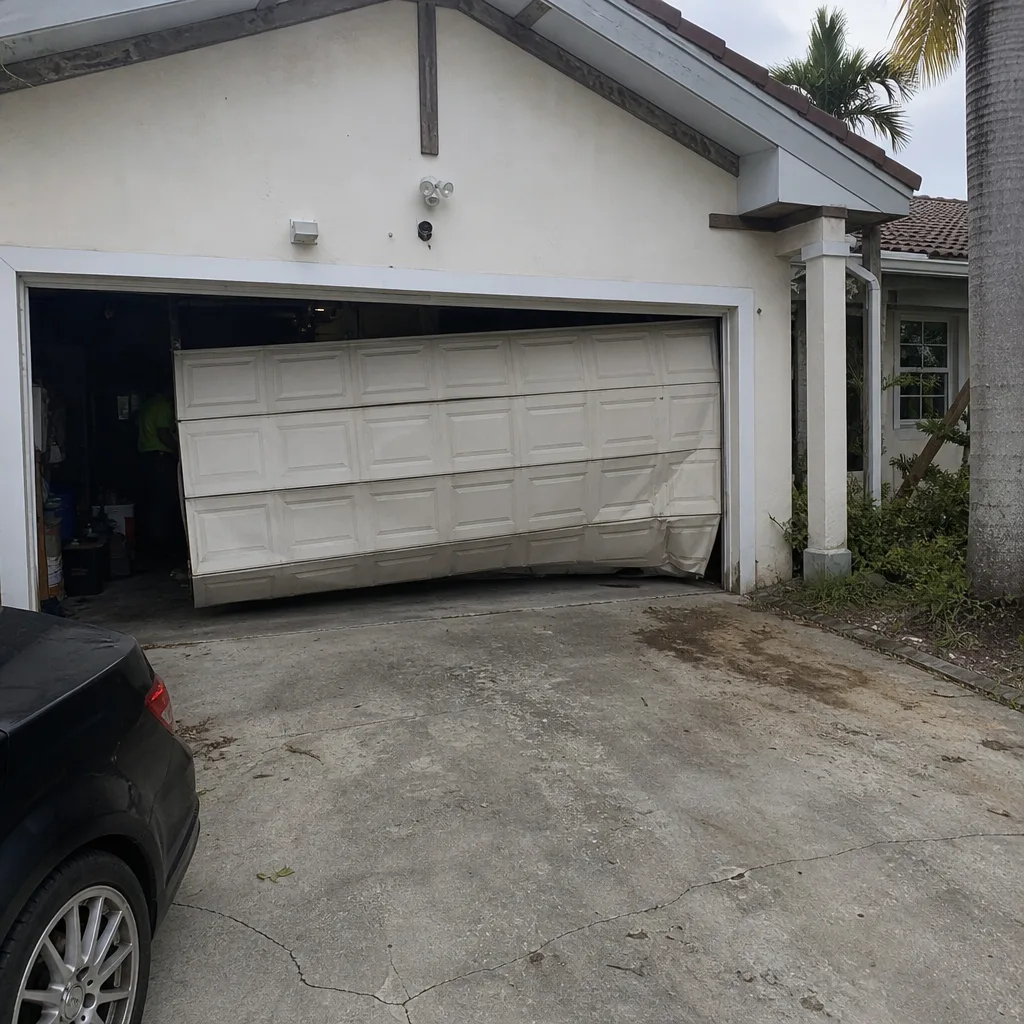 Before
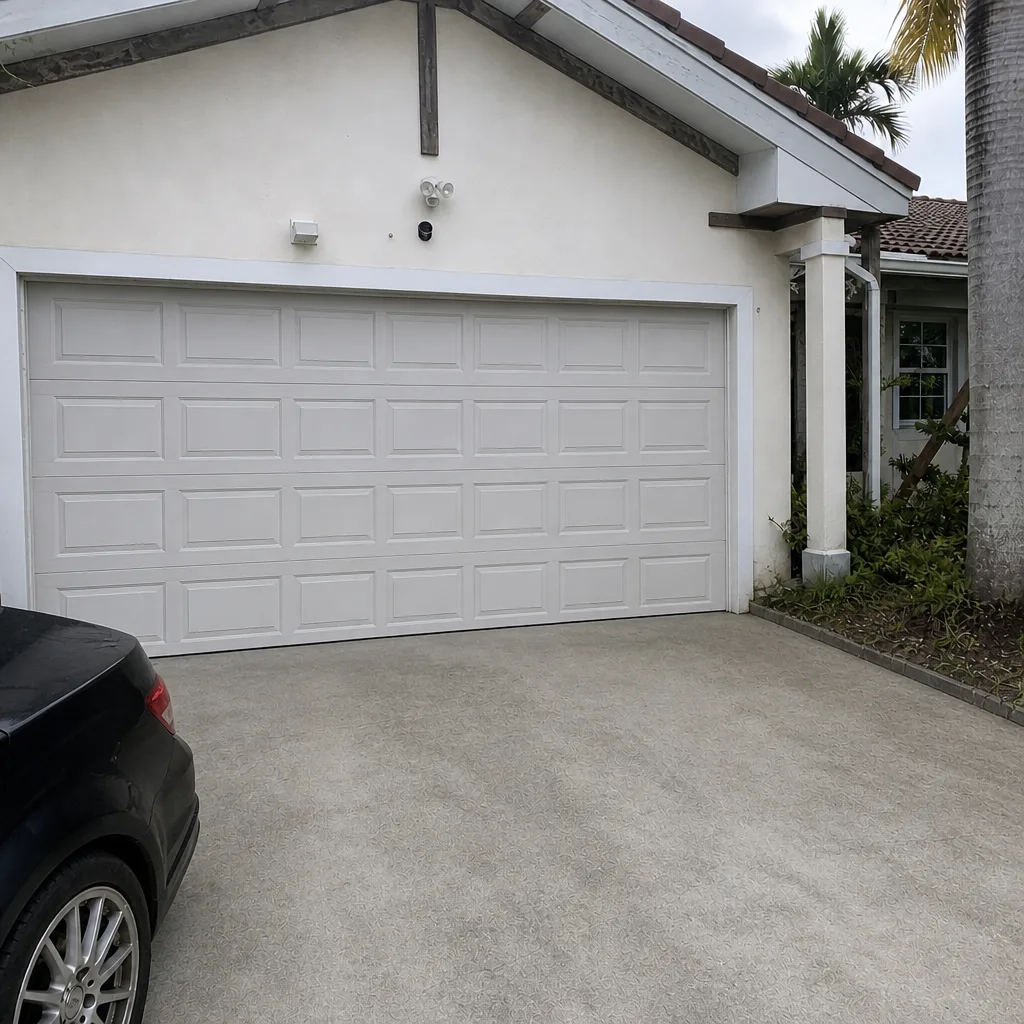 After
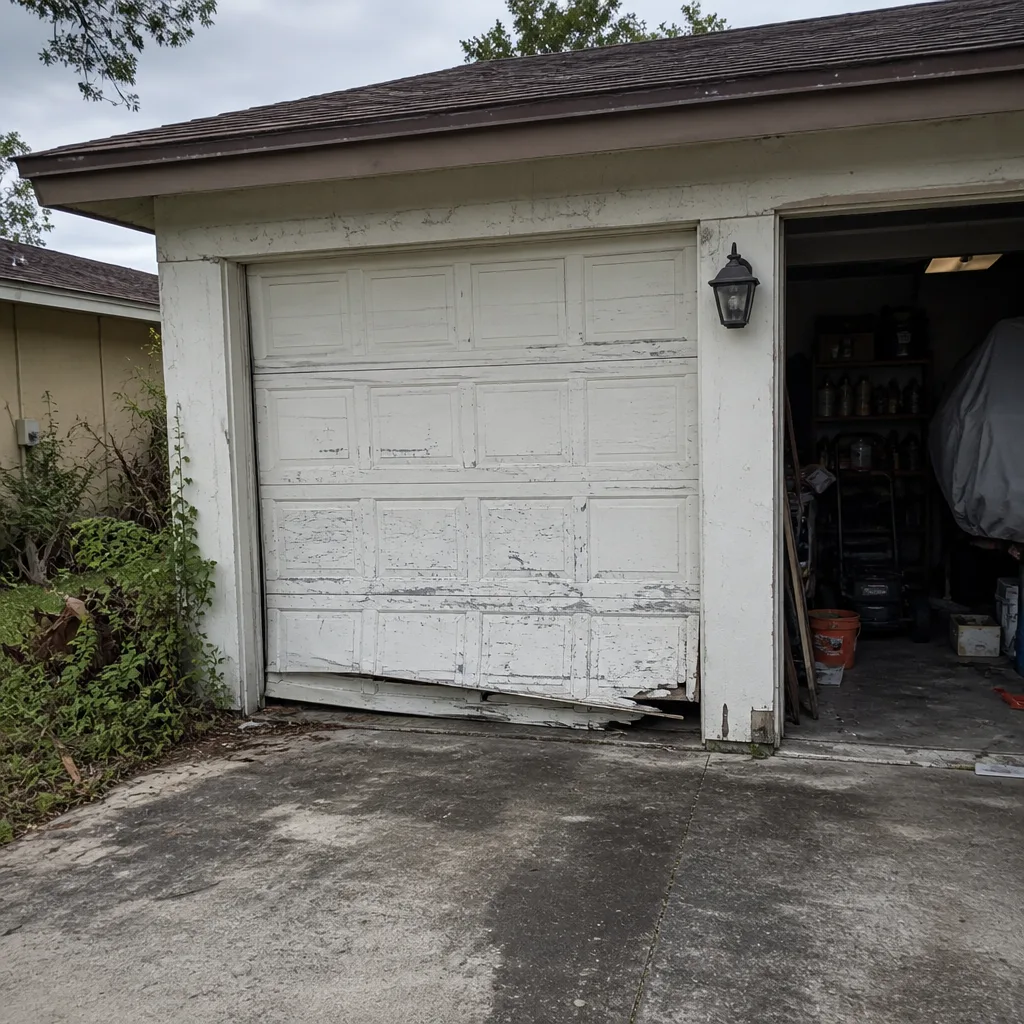 Before
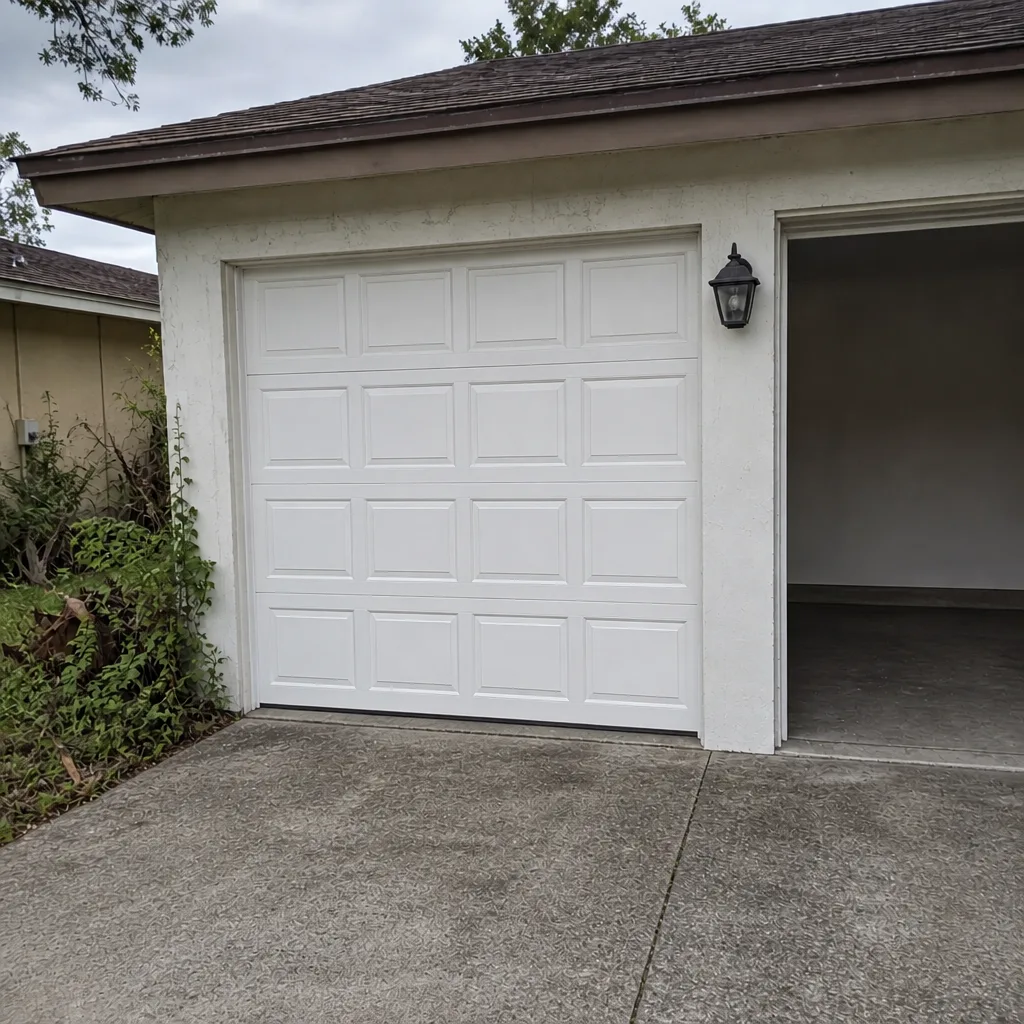 After
When to Call a Professional
Call a professional when a spring breaks or starts sagging, when a cable is visibly frayed or loose, when the door comes off its tracks or won’t close flush, when the opener reverses without an obstruction, or when you notice a new grinding, popping, or straining sound that doesn’t go away. Call us when you’re preparing for hurricane season and want the rated hardware checked by someone who knows what to look for, and call us when you’re weighing a repair against a replacement. Those are the calls that protect your home and your time. Miramar Garage Door Repair Pros offers free estimates in Miramar. Call (855) 593-6861. We answer 24/7, with fast dispatch from 7am to 7pm, Sunday through Friday.
We work on the brand you already have. Our Miramar Garage Door Repair Pros team covers repair, opener work, springs, and full installation, so one call handles the whole system. The price is quoted and agreed before any work starts, and the written estimate sets the final number. No surprise invoices.
Frequently Asked Questions
Twice a year works well here: a pre-hurricane check in April or May and a dry-season inspection in November or December. That rhythm matches the two climate phases that stress a door. Spring tension, seals, hardware, tracks, and the opener all get eyes on them before the wet season and again after it. Between services, a monthly five-minute walk-around catches most small issues while they’re still small.
November through March is the best window for spring replacement. The weather is drier and more stable, so tension can be set and tested without the summer heat working against it. That said, a spring that fails in July needs replacing in July, not waiting for winter. Call (855) 593-6861 for a free estimate and we’ll tell you what the door needs.
It can. An attached garage in Miramar stays humid, and moisture finds its way into the opener’s housing over months. The circuit board inside a WiFi-enabled unit from LiftMaster, Chamberlain, or Genie isn’t built to sit in a damp environment, and the symptoms are subtle: a remote that works intermittently, a door that reverses for no reason, a wall button that needs more than one press. If you notice those, have the opener diagnosed rather than guessing at it.
No, and it’s the one thing on this list we’d always tell a homeowner to leave alone. Torsion springs store enormous energy, and a spring that releases while someone is working on it can cause serious injury. Winding bars, lockout procedure, and correct tension setting all matter. Springs are the most dangerous part of the system, and they’re the repair we keep in-house because the risk is real. If yours is sagging, noisy, or drifting, call a professional.
Check the rated hardware for loose or rusted fasteners, the bottom and side seals for cracks or gaps, and the manual release to confirm you can open the door if the power goes. Look for cracked panels, clear the tracks and floor of debris, and test the balance. Those are the checks that find trouble on your schedule, before a storm watch. If anything turns up, book a free estimate before June.
It depends on the age of the door, the condition of the panels, and how many systems have failed at once. A door with one bad spring or a single dented panel is usually a repair. A door with widespread rust, multiple cracks, and a failing opener may be a replacement candidate. We diagnose first and explain both options. Call (855) 593-6861 for a free estimate, and we’ll give you a written price on either path before anything starts.
What should I do if my garage door fails on a Saturday?
Call (855) 593-6861. We answer 24/7, and we’re closed on Saturday for dispatch, so we’ll book you into the next opening, Sunday through Friday, 7am to 7pm. If a spring breaks, a cable lets go, or the door comes off its tracks, don’t try to force the door. Stay clear of the moving parts, keep the door in place, and use the manual release only if you’re sure the door is balanced. Our emergency service is a real offering, structured for exactly this.
The Bottom Line
Miramar’s garage doors follow a two-phase year, not four seasons. The wet, hot, storm-driven stretch from June through November is where doors get tested, and the dry season from November through March is where you fix what’s wearing and upgrade what’s due. Get the pre-hurricane checklist done in April or May, run a five-minute monthly walk-around, manage the humidity, and leave the springs, cables, and opener internals to a technician. Do that and the door stays ahead of the problems that actually happen here. When something does need attention, call (855) 593-6861 for a free estimate. We answer 24/7, with fast dispatch from 7am to 7pm, Sunday through Friday, and the written estimate sets the price before any work starts.
Written by the team at Miramar Garage Door Repair Pros.