
Last updated November 22, 2026
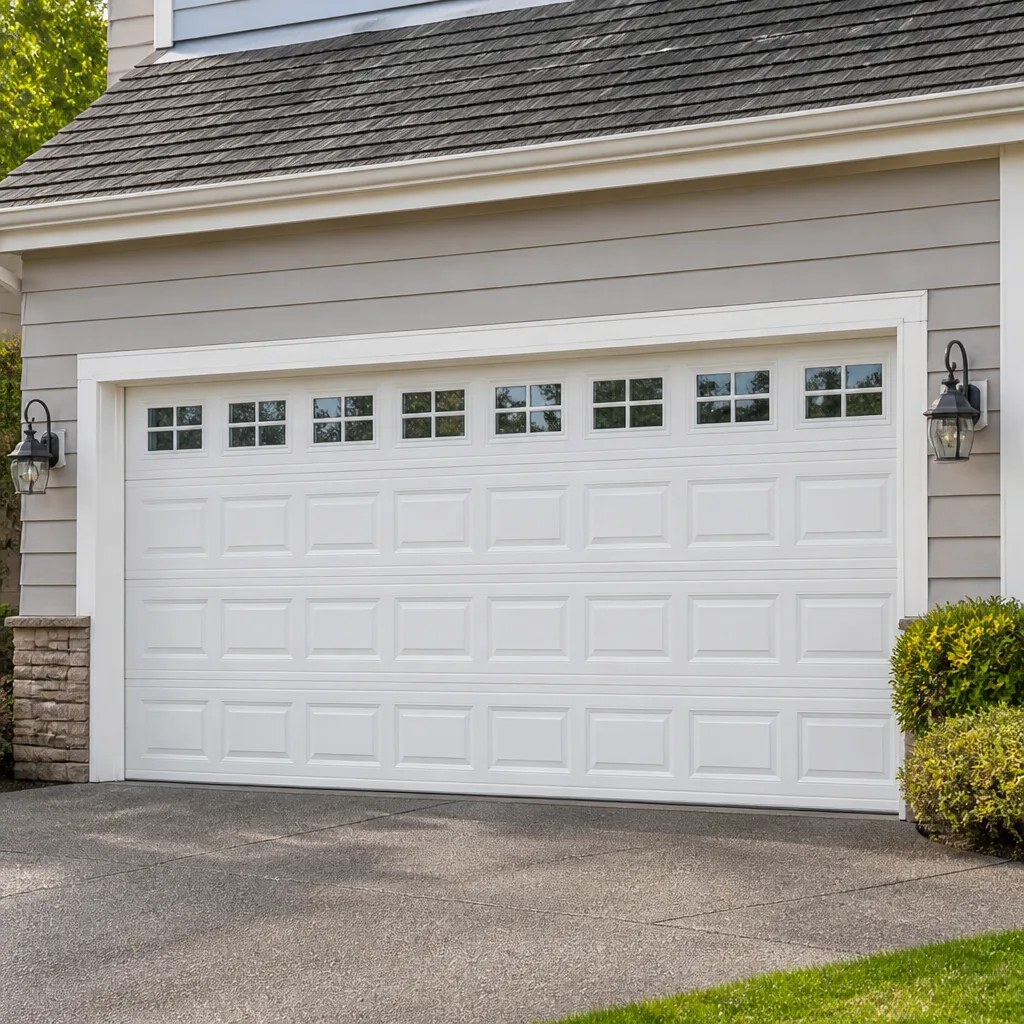 Raised-panel steel
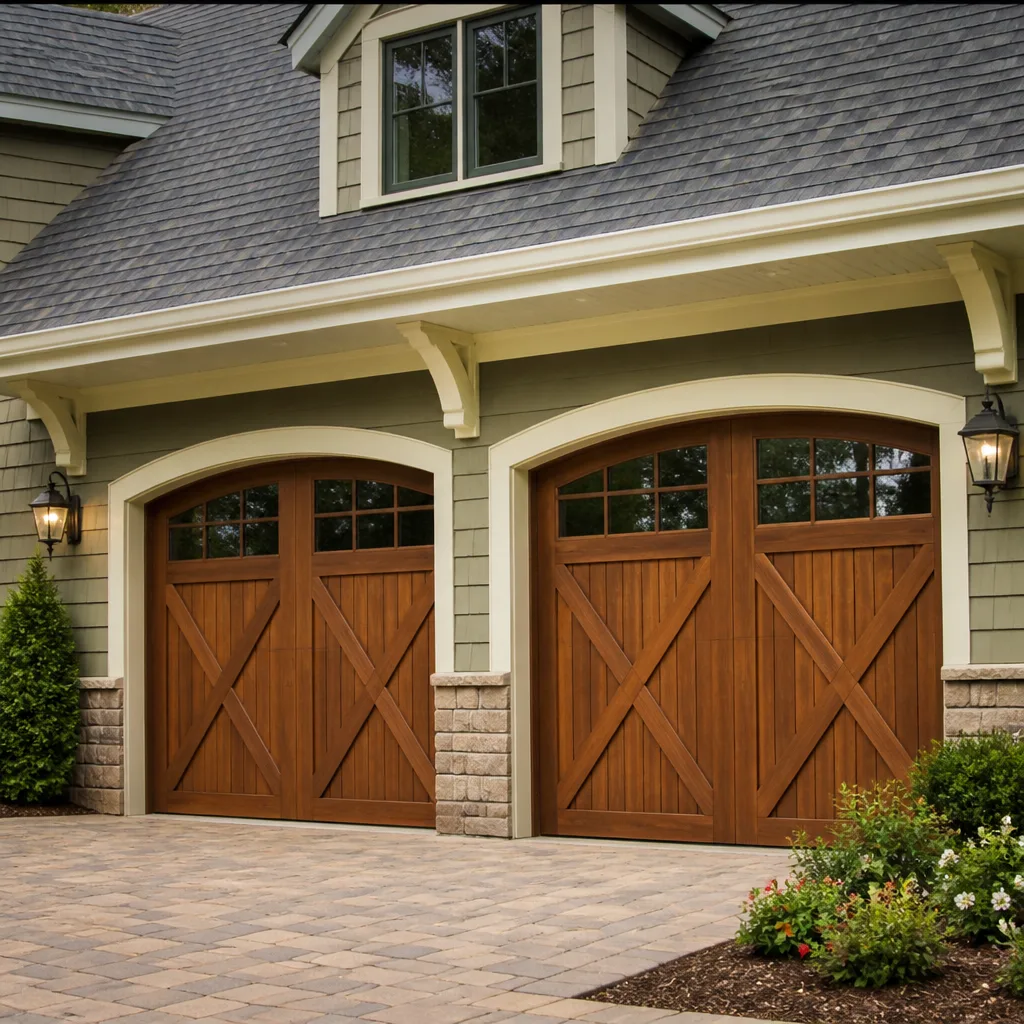 Carriage house
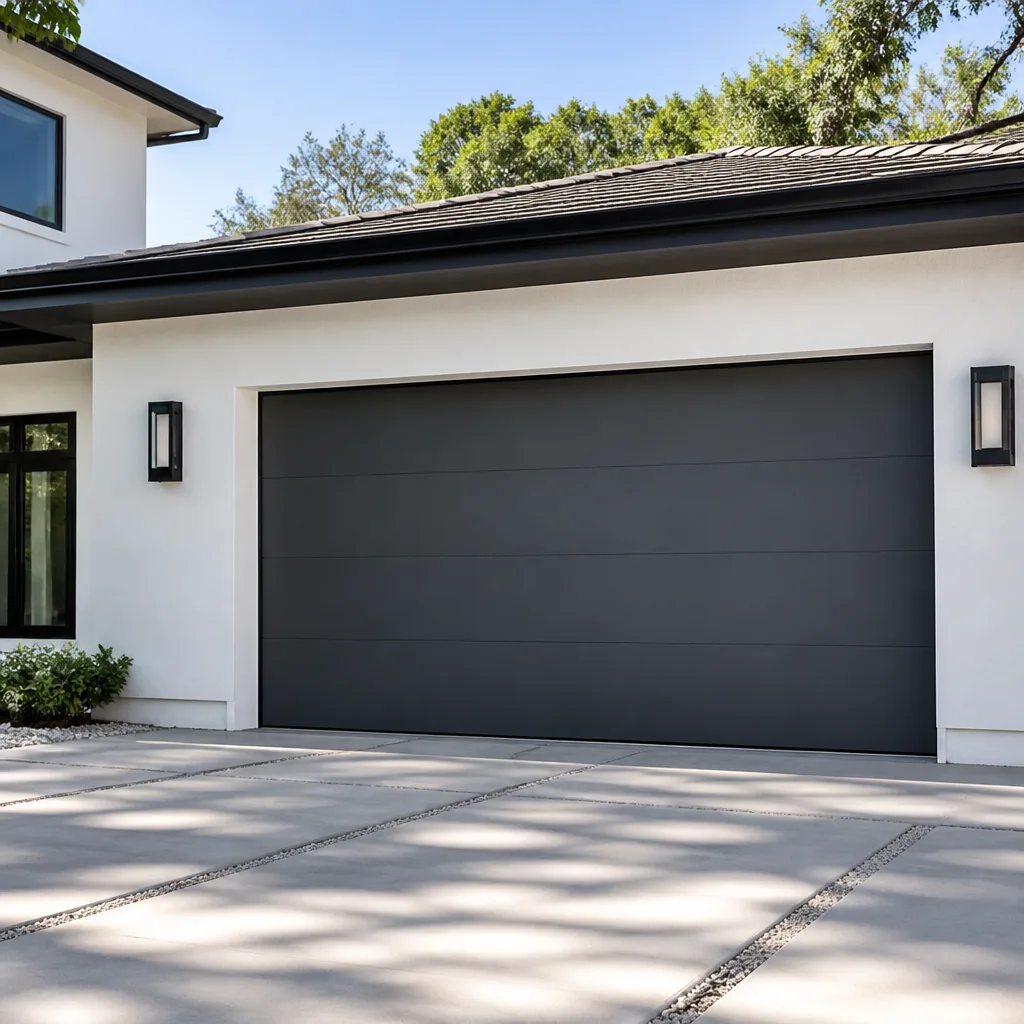 Modern flush
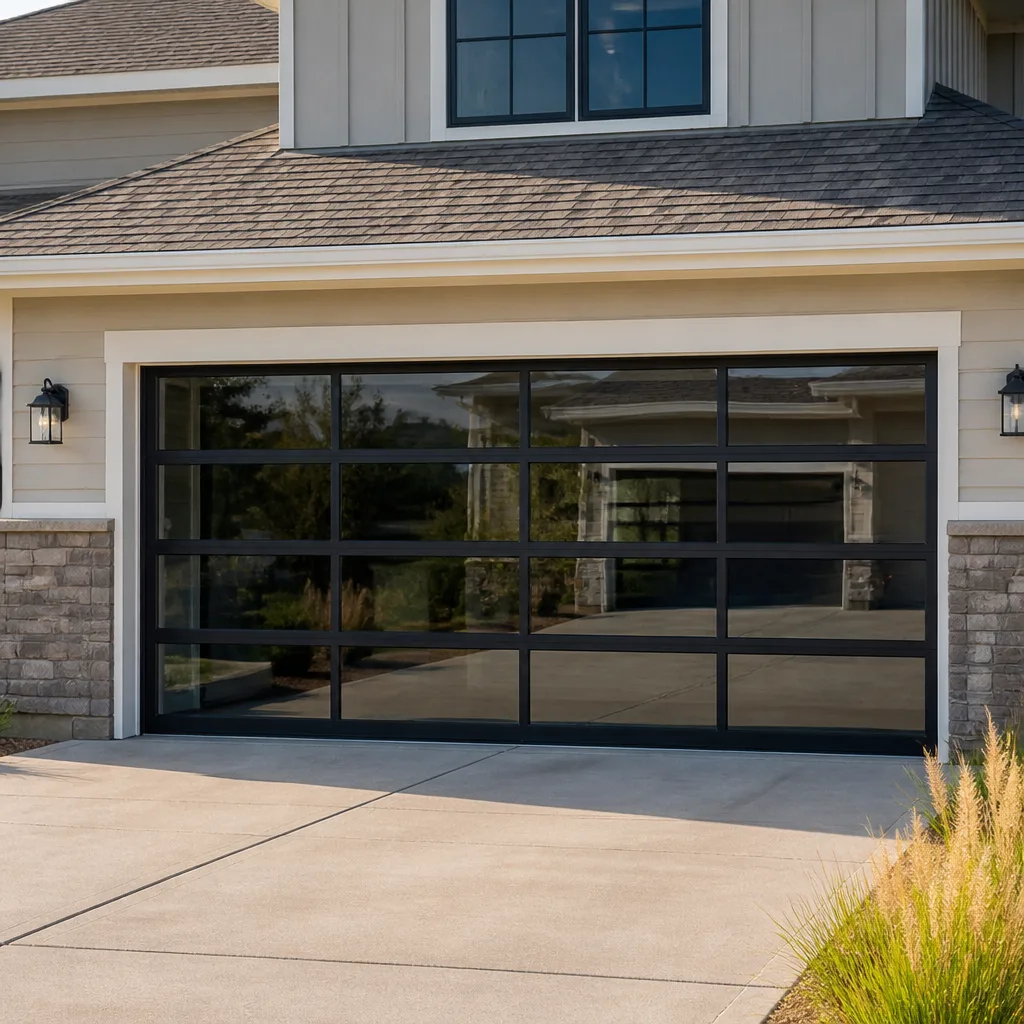 Full-view glass
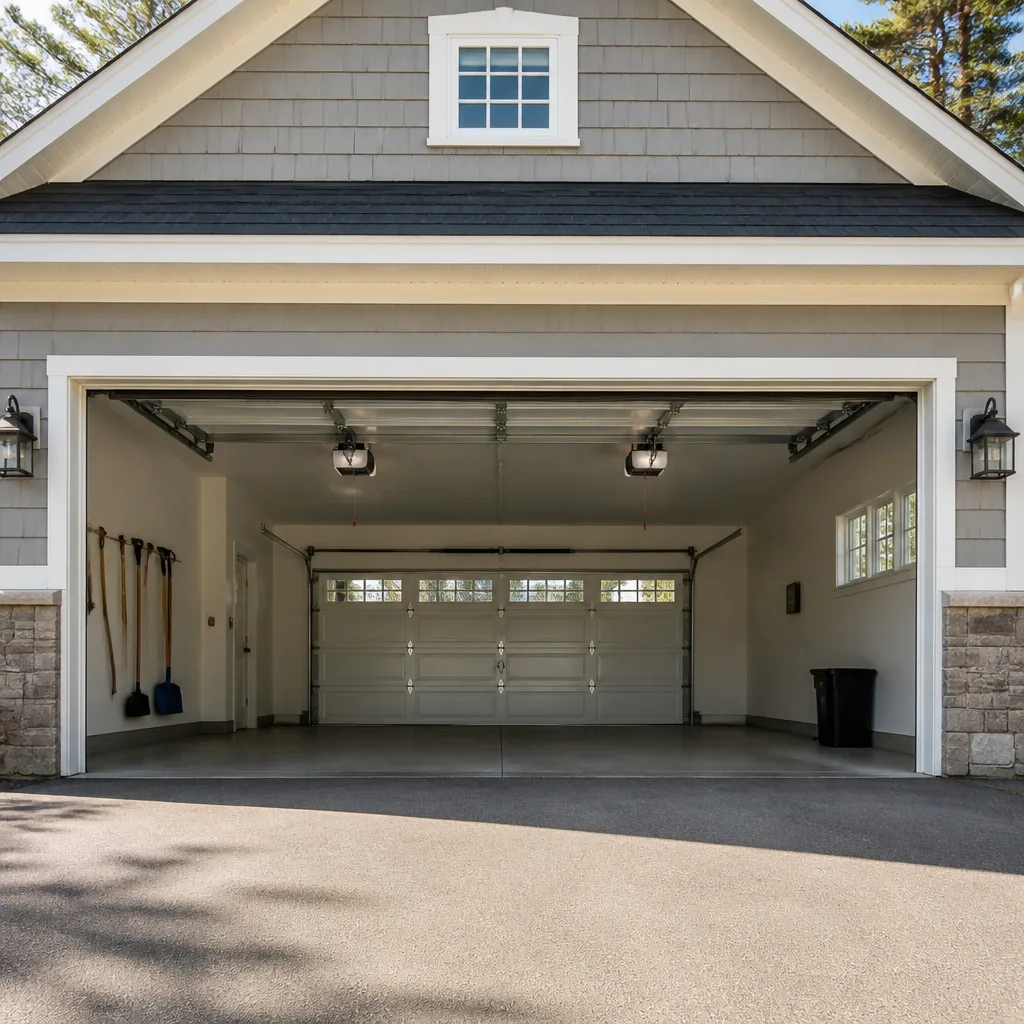 LiftMaster openers
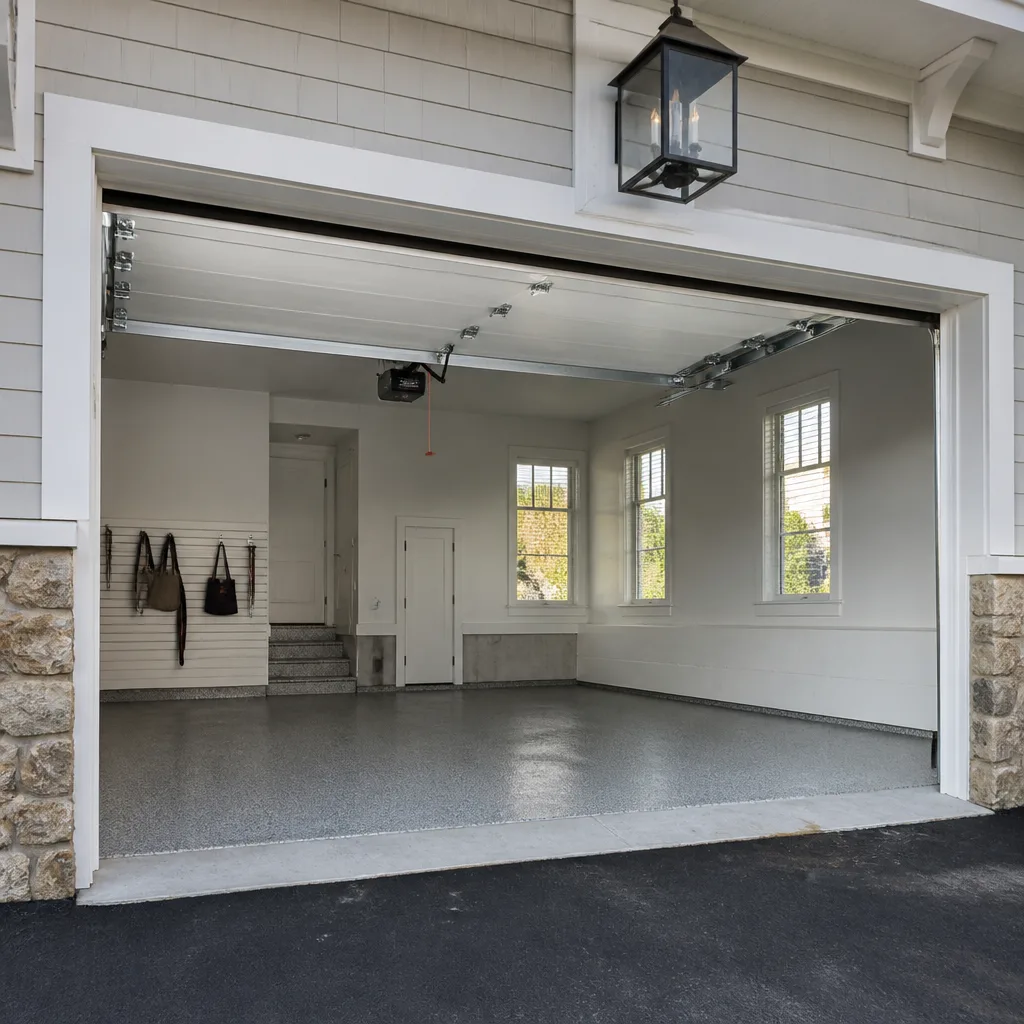 Chamberlain openers
Full 25-point door and opener safety check with every visit - springs, cables, rollers, tracks, and your LiftMaster or Chamberlain opener included
You get a price before we start. It does not change when the pro arrives.
Get your free estimateGarage Door Repair Maintenance Schedule: What to Do and When
Most garage door maintenance checklists you find online were written for garages that spend half the year frozen shut. They assume the enemy is ice and road salt. In Miramar, the enemy is different. Humidity, heavy summer rain, and a door that cycles open and closed almost every day of the year do the quiet damage here. That means the schedule that keeps a door alive in Miramar isn’t the national one. It’s built around cable corrosion, seal wear, and hurricane-season prep. This guide gives you a month-by-month schedule calibrated to how doors actually age in South Florida, what to check yourself, and when to stop and call a professional.
Quick Answer
In Miramar, a garage door needs a basic visual and safety check every month, a hands-on adjustment and lubrication pass every six months, and a full professional inspection once a year. Cable and bottom seal checks should happen every six months, not once a year, because humidity and constant use wear those parts faster than the national guides account for. Springs, rollers, and openers get inspected on the same six-month rhythm, with extra attention before and after hurricane season.
Styles & brands we work with
- Raised-panel steel
- Carriage house
- Modern flush
- Full-view glass
- LiftMaster openers
- Chamberlain openers
Table of Contents
- Why a Miramar Maintenance Schedule Looks Different
- The Every-Six-Month Checks: Cable Corrosion and Bottom Seal
- How to Run a Balance Test and Force-Resistance Test at Home
- Your Month-by-Month Calendar for Miramar Seasons
- Component Lifespan Under Miramar Humidity and Heavy Use
- What Actually Extends Component Life (and What’s Just Box-Checking)
- What to Log Each Time You Maintain the Door
- Common Mistakes to Avoid
Why a Miramar Maintenance Schedule Looks Different
The standard American garage door guide is written for a climate with four real seasons and long stretches where the door barely moves because the car stays in the garage and the weather is too brutal to be outside. Miramar doesn’t work that way. Doors here cycle constantly, and the air is warm and humid most of the year. That combination changes which parts fail first and how fast.
Humidity is the big one. Steel cables, hinges, and roller stems are all exposed metal, and moist air is patient. It works on them slowly, and the first sign a Miramar homeowner notices is often rust-colored residue on the track or a cable that looks dull rather than shiny. Left alone, that dullness becomes a strand break, and a strand break becomes a snapped cable. National guides tell you to inspect cables once a year. Here, twice a year is the honest number.
The bottom seal is the second piece the national checklists underestimate. In Miramar, that rubber gasket sits on concrete that stays warm and damp, and it takes the full brunt of heavy summer rain running off a wet driveway. A seal that’s cracking or flat against the floor lets water and insects in and throws off the door’s weatherstripping. Six-month checks catch it while it’s still a cheap replacement rather than a nuisance that’s been letting moisture into the garage for a year.
The seasons matter too, but not in the way they do up north. What Miramar has instead of winter is hurricane season, and that’s a maintenance deadline of its own. We’ll get to that in the calendar below. The point is simple: the national schedule is a starting point, and the local version tightens the intervals on exactly the parts that this climate punishes.
The Every-Six-Month Checks: Cable Corrosion and Bottom Seal
Two jobs deserve their own six-month slot because they’re the ones the national once-a-year schedule gets wrong for Miramar. Neither takes long, and both are purely visual, which means you can do them safely without touching anything under tension.
Cable corrosion
Look at the cables that run along the sides of the door. You want them bright and even. What you’re watching for is dullness, a reddish or brown tint, fraying strands sticking out like a brush, or a kink that didn’t used to be there. Any of those is a reason to stop using the door and call a professional. A frayed cable is under serious tension and can fail suddenly. Do not try to clean, oil, or adjust a cable yourself.
Bottom seal degradation
Close the door and look at where the rubber seal meets the floor. A healthy seal sits flat and even along the whole width. In Miramar, watch for cracking, a seal that’s gone hard or crumbly, flattened spots that no longer touch the floor, or daylight showing through. A seal that’s peeled away from the door or torn should be replaced, and that’s a job a homeowner can usually do with the door fully open and the opener disconnected.
- Hinges and roller stems: a quick look for rust during the same pass. Surface discoloration is worth a note; heavy orange rust means a part is on the way out.
- Weatherstripping around the frame: check for gaps or peeling, especially at the bottom corners where rain runs off.
- Track condition: tracks should be straight and free of dirt buildup. Never lubricate the tracks themselves.
On the six-month cycle, also run the balance and force tests below. Together, these two passes are the highest-value maintenance a Miramar homeowner can do, because they catch the failures that get expensive.
How to Run a Balance Test and Force-Resistance Test at Home
These two tests tell you whether your springs and opener are working harder than they should. You can do both with no special tools, and both are safe because you’re testing behavior, not adjusting anything. This is also how we diagnose a door that’s technically still working but is quietly headed for a spring or opener failure.
The balance test
- Close the door completely and pull the opener’s release cord so the door is disconnected from the motor. Now the door moves by hand only.
- Lift the door slowly to about halfway and let go. A properly balanced door should stay put, or drift very slightly.
- Raise it to three-quarters open and let go again. Same expectation.
- If the door slams down, slides up on its own, or won’t hold position, the springs are out of balance and need professional attention. Don’t keep testing or try to adjust them.
The force-resistance test
- Reconnect the door to the opener and close it.
- Lay a small object like a roll of paper towels on the floor in the door’s path, and let the door close on it.
- A correctly set opener will reverse when it feels resistance. If it crushes the object or keeps pushing, the opener’s force setting is too high.
- Repeat with the safety sensors: pass an object through the sensor beam while the door is closing. It should reverse immediately.
If the door reverses when it shouldn’t, or fails to reverse when it should, that’s a real safety problem, not a quirk to live with. It usually points to an opener setting or a sensor problem. We handle that under garage door opener repair, and it’s worth a call sooner rather than later. Both tests take five minutes and are the single best way to spot trouble before it strands your car.
Your Month-by-Month Calendar for Miramar Seasons
Miramar doesn’t have four seasons. It has a dry stretch, a build-up, and a wet, windy stretch. The calendar below follows that rhythm rather than a northern one, so the heavy checks land before the weather that stresses the door hardest.
- January: New-year check. Run the balance and force tests, do a visual cable and seal pass, and clean the tracks.
- February: Lubricate springs, hinges, rollers, and the opener’s rail (never the tracks). Tighten any hinge screws that feel loose.
- March: Inspect the bottom seal after the dry season for cracking and check weatherstripping at the frame. Note anything that needs replacing.
- April: Test the safety sensors and the auto-reverse. Get the opener’s force setting checked if the door is hesitating.
- May: Hurricane prep. This is the big one. Confirm the door is balanced, all hardware is tight, and the door can be manually locked down. Clear the tracks and check the door’s emergency release.
- June: First heavy-rain month. Check the bottom seal and weatherstripping again, since this is when water intrusion shows up.
- July: Look at cables and hinges for the first rust of the wet season, and lubricate moving metal parts.
- August: Mid-season safety pass: sensors, auto-reverse, and a full visual of springs and cables.
- September: Peak storm month. Keep the door balanced and hardware tight, and avoid leaving the door partway open in wind.
- October: Post-storm hardware inspection. Walk the whole system looking for bent tracks, loose hinges, a shifted panel, or a cable that’s gone dull. This pass catches storm wear before it becomes a repair.
- November: Full lubrication pass and a seal replacement if needed before the dry season.
- December: Year-end balance and force test, plus a look at whether anything logged over the year points to a part that’s due.
The May hurricane-prep pass and the October post-storm pass are the two that matter most in Miramar. If you only do two checks a year, do those.
Component Lifespan Under Miramar Humidity and Heavy Use
Manufacturer lifespan figures are usually quoted for average use in average conditions. Miramar is neither. Constant cycling and year-round humidity shorten the practical life of several parts. The table below reflects how these components typically age here, and why.
- Torsion springs: Typically the shortest-lived major part, usually rated in cycles rather than years. Heavy daily use and humidity both shorten that life. Never adjust a spring yourself.
- Cables: Shorter life than in dry climates because of corrosion. This is why the six-month inspection matters – fraying is the signal to replace before a break.
- Rollers: Nylon rollers hold up well; steel rollers rust faster here, so watch them closely on the six-month pass.
- Bottom seal and weatherstripping: Heat, damp concrete, and rain shorten life noticeably. Expect to replace sooner than a national guide suggests.
- Hinges: Rust is the main enemy. Lubrication extends life more than tightening does.
- Opener: Mechanical wear is driven by cycles, so a Miramar door that opens several times a day wears its opener faster than the average.
When a part reaches the end of its practical life, the choice between repair and replacement matters. We diagnose first and recommend based on what the door needs, whether that’s a Clopay panel set, an Amarr spring setup, or a Wayne Dalton opener issue. If the door is old enough that multiple parts are failing together, a full replacement can be the smarter call, and we handle that too. For a failing spring specifically, ours is handled in-house rather than referred out, which matters because spring work is the most technically demanding repair on the whole system. See garage door spring repair for how that’s handled.
What Actually Extends Component Life (and What’s Just Box-Checking)
Not every task on a maintenance list carries equal weight. Some genuinely keep parts alive longer. Others are just a sense of having done something. Here’s the honest split, based on what we see on service calls around Miramar.
Tasks that genuinely extend life
- Lubricating springs and hinges: this is the highest-value task on the list. A light coat of proper garage door lubricant on the springs and hinge points cuts friction and slows wear. Skip the tracks, though; they should stay clean and dry.
- Keeping the tracks clean: grit in the tracks wears rollers and strains the opener. A dry cloth and a check for debris does more than most people realize.
- Replacing the bottom seal on time: a failed seal lets moisture in, which accelerates rust on everything nearby.
- Testing the safety reverse: this doesn’t extend life, but it’s the one task you can’t skip, because it’s about safety, not wear.
Tasks that are mostly box-checking
- Tightening hinges: worth doing if you hear a rattle or see a gap, but tightening every screw on every visit accomplishes little. Fix the specific sound, not the whole door.
- Cleaning the door’s exterior: cosmetic only. It won’t extend the mechanism’s life.
- Over-lubricating: more isn’t better. Excess lubricant attracts dirt that then wears parts faster. A little, on the right spots, is the goal.
If you remember one thing from this section: lubricate the springs and hinges, and clean the tracks. Those two habits carry most of the maintenance value, and we say that even though they’re the parts we’d otherwise get called out to fix.
What to Log Each Time You Maintain the Door
A short written log turns maintenance from a guessing game into a diagnosis. When a technician can see how a part has behaved over a year, they spot wear patterns on the first visit instead of the third. This is especially useful in Miramar, where humidity-driven wear follows a predictable pattern that a log makes obvious.
Keep a simple note on paper or in a phone note each time you do a check. Record these items:
- Date and type of check: monthly, six-month, or yearly.
- Cable condition: bright, dull, or frayed. Note any change from last time.
- Bottom seal condition: flat, cracked, or torn.
- Balance test result: holds position, drifts up, or drifts down.
- Force and safety-reverse result: passed or failed.
- New sounds: any grinding, squeaking, or rattling, and where it seemed to come from.
- Rust spots: note where they’re appearing, so a technician knows what to check first.
- Maintenance done: what you lubricated, cleaned, or replaced.
The single most useful entry is the one about new sounds. Grinding usually points to rollers or a bearing. Squeaking tends to mean dry hinges or springs. A rattle can be a loose hinge. When you can hand a technician that note, the first visit is far more likely to resolve the problem. For a full system diagnosis, a garage door repair visit backed by your log is time well spent.
Common Mistakes to Avoid
- Following a national checklist on a Miramar calendar. Once-a-year cable and seal checks leave too much time for corrosion to work. Do those every six months here.
- Lubricating the tracks. Tracks should be clean and dry. Lubricant collects grit and wears rollers faster, which is the opposite of what most people intend.
- Ignoring a frayed cable because the door still works. A cable can fail without warning under tension. Stop using the door and call a professional rather than watching it.
- Adjusting springs yourself. Springs are the most dangerous part of the system, under enormous tension. This isn’t a job for a homeowner, and a mistake here can cause serious injury.
- Skipping hurricane prep because nothing has happened yet. The May pass is about being ready before the wet, windy stretch. A balanced door with tight hardware handles storm season far better.
- Forgetting the post-storm inspection in October. Storms leave behind bent tracks and shifted panels that don’t show up until the door starts binding. The October pass catches them early.
- Treating a safety-reverse failure as a minor quirk. If the door won’t reverse when it meets resistance, that’s a real hazard, not a nuisance. Get it fixed before someone is hurt.
Most of these mistakes come down to one thing: the door seems to work, so nothing gets checked until it fails. Maintenance is what keeps a working door working, and in Miramar’s climate the difference shows up faster than most homeowners expect.
See the difference
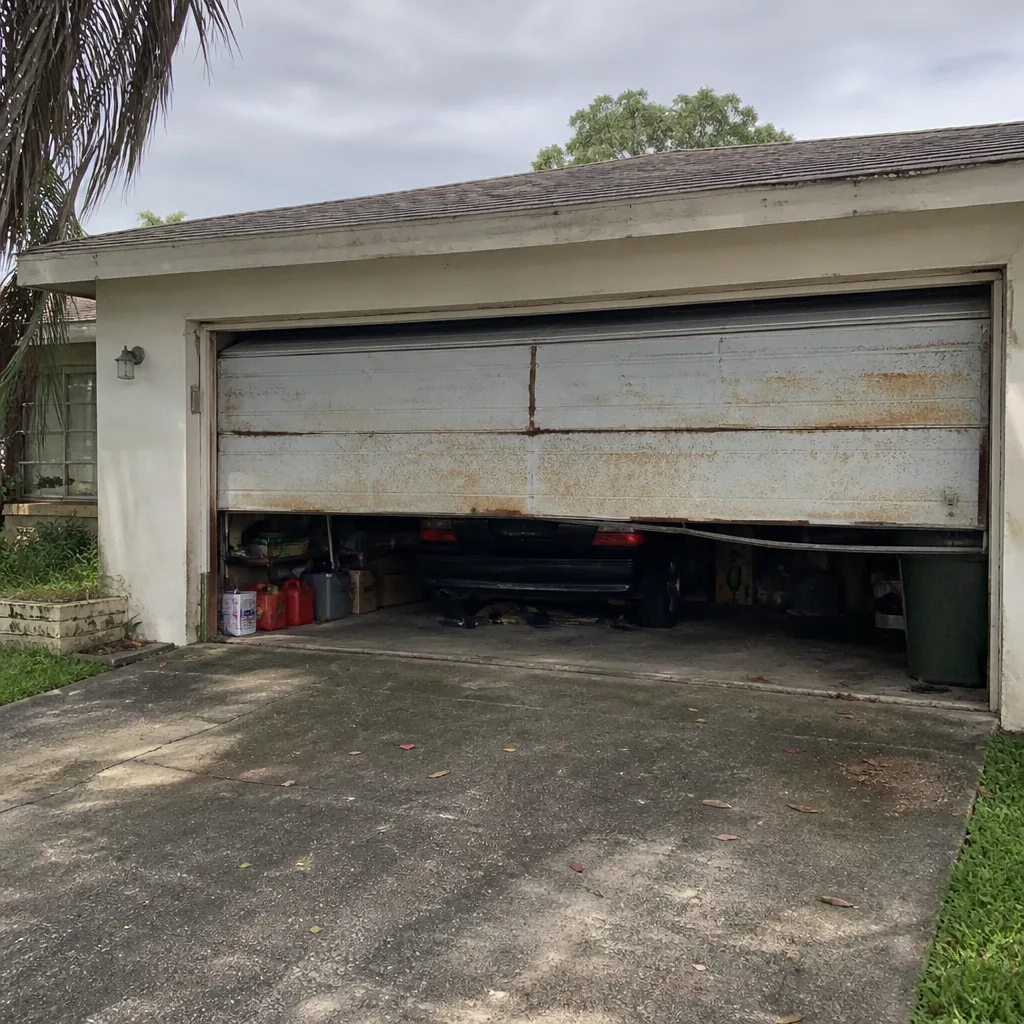 Before
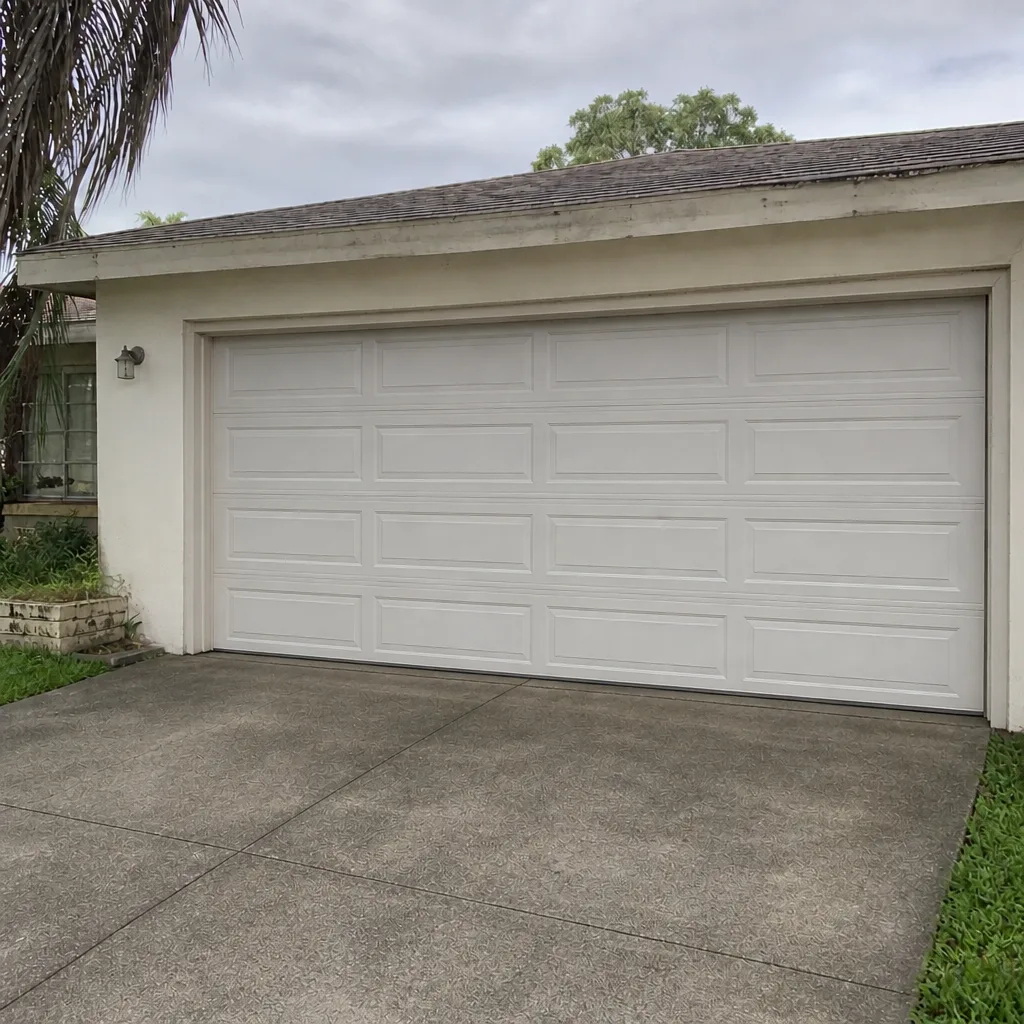 After
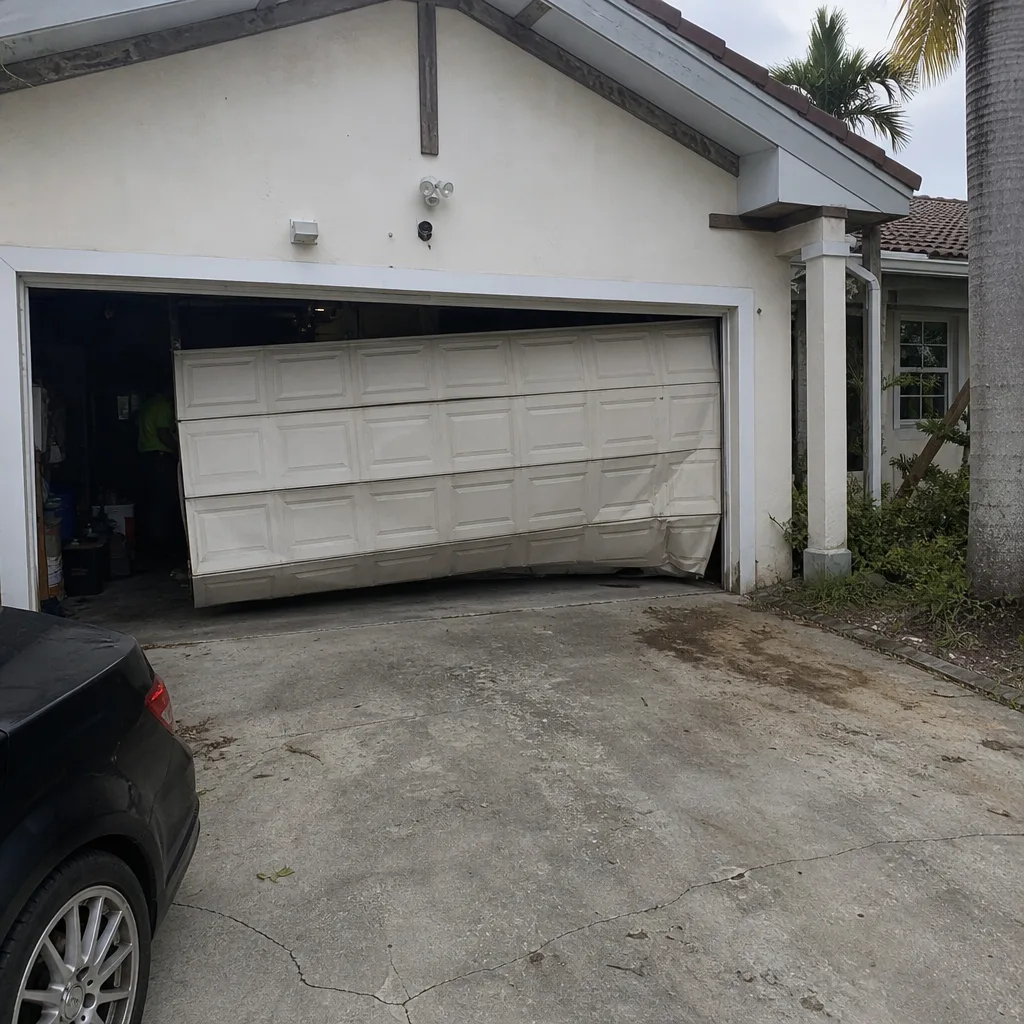 Before
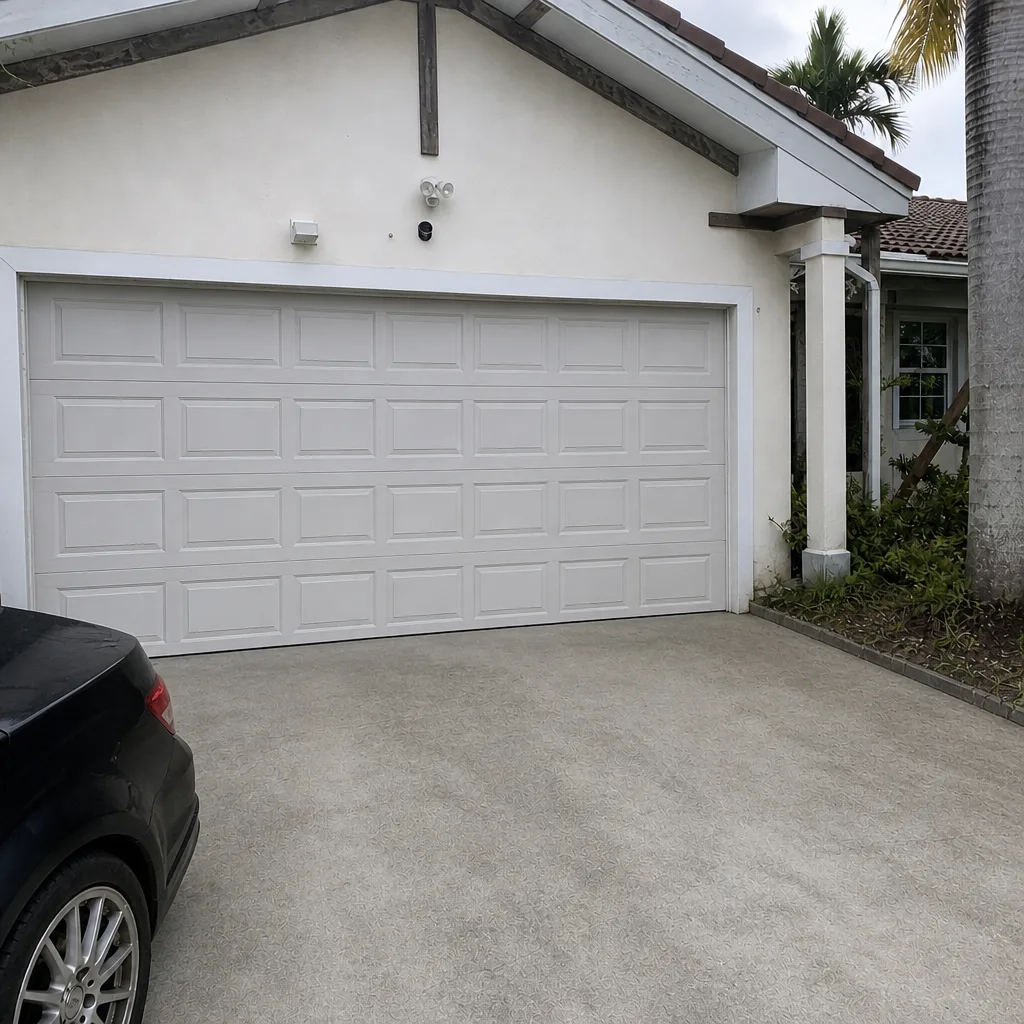 After
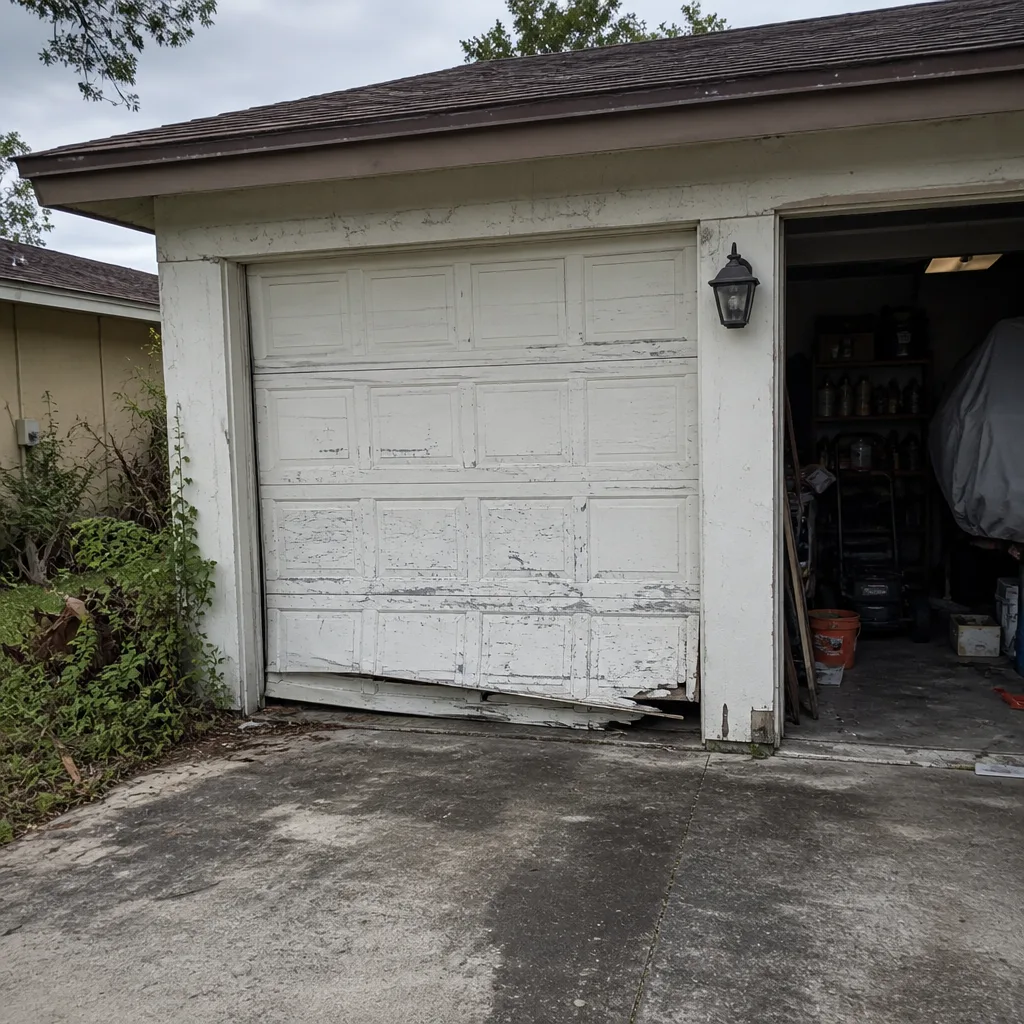 Before
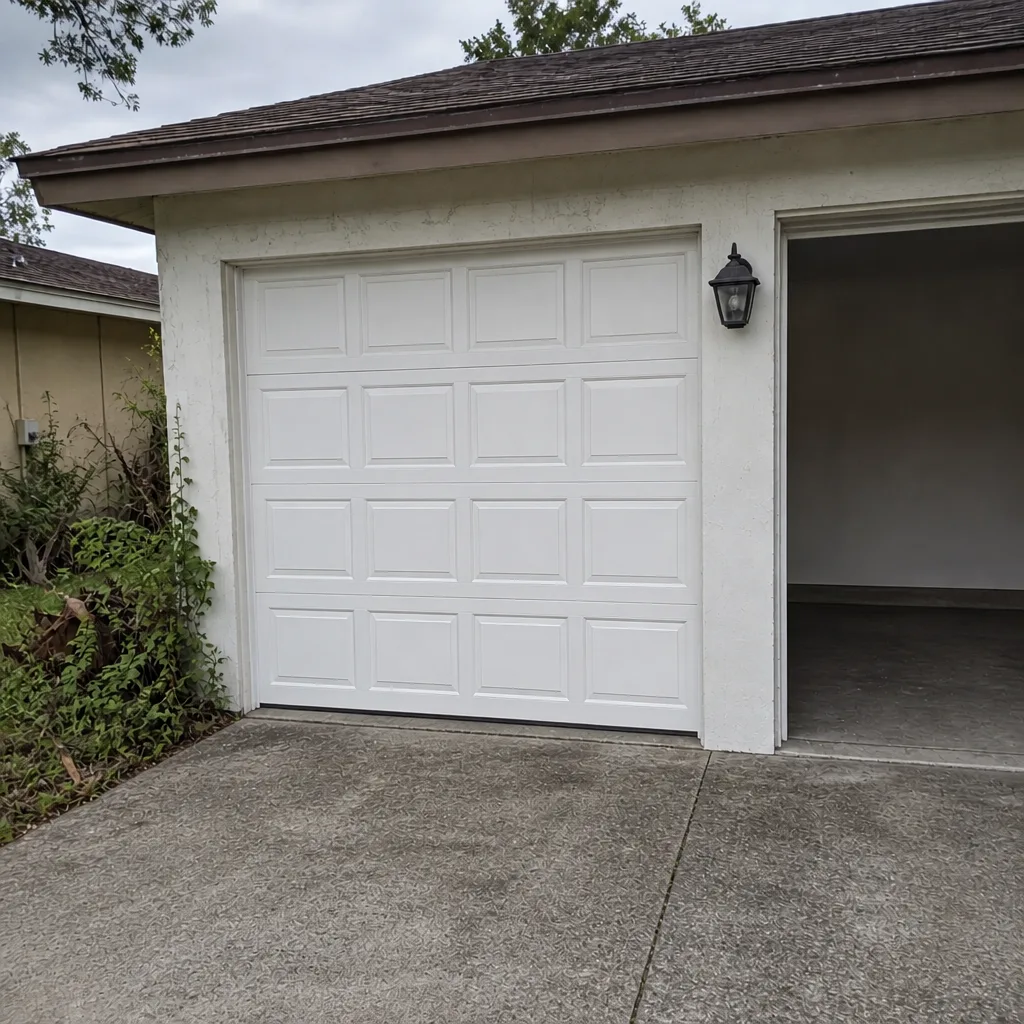 After
When to Call a Professional
Some maintenance is a homeowner’s job. Some isn’t, and knowing the line keeps you safe. Call a professional if you see a frayed or kinked cable, if the balance test shows a door that won’t hold position, if the safety reverse fails, or if the door is making grinding, scraping, or loud popping sounds. Any work on springs, cables, or the opener’s internal settings belongs with a trained technician. If the door is binding, hard to lift, or has a panel that’s visibly bent or shifted after storm season, that’s a call too. We’re in Miramar and handle the full system: springs, openers, panels, and installation. Miramar Garage Door Repair Pros offers free estimates in Miramar – call (855) 593-6861. We answer 24/7. Fast dispatch from 7am to 7pm, Sunday through Friday. When a door fails, we can work on the exact brand you already have, from LiftMaster and Chamberlain openers to Clopay, Amarr, and Wayne Dalton doors.
Frequently Asked Questions
A garage door in Miramar should get a basic visual and safety check monthly, a six-month lubrication and adjustment pass, and a full professional inspection once a year. The six-month cable and bottom seal checks are the part that differs from the national schedule; humidity and constant use make those parts wear faster here. Call (855) 593-6861 for a free estimate if you’d rather have a technician run the inspection.
You can and should, as long as you’re only applying a light coat of proper garage door lubricant to the springs while the door is fully closed. What you must not do is adjust, wind, or unwind a spring yourself. Springs are under extreme tension, and this is the most hazardous part of the system. If a spring is broken or the door is out of balance, call a professional – the price is quoted and agreed before any work starts.
Two reasons: doors get cycled almost every day of the year, and the humid air works on every metal part. Cables rust from the inside out, hinges discolor and eventually seize, and bottom seals break down faster on warm, damp concrete. That’s why local checks run on a tighter cycle than a northern guide would suggest. If you’re seeing early rust signs, our team can help.
Springs are rated by opening cycles, not years, and heavy daily use shortens their life. Humidity adds wear too. Rather than trying to put a single number on it, watch the balance test: if the door won’t hold position, the springs are nearing the end. When that happens, have a technician look at it rather than testing to failure.
Before hurricane season, run the balance test, make sure all hardware is tight, confirm the door can be locked down manually, and clear the tracks. The May pass in the calendar above is built for exactly this. After storm season, do the same pass again to catch bent tracks or shifted panels.
One company handles both. We repair, service openers, handle springs, and install new doors, so you don’t need to call a separate installer if repair stops being cost-effective. We handle equipment from Clopay, Amarr, Wayne Dalton, Craftsman, and other major brands. Call (855) 593-6861 and we’ll diagnose first, then recommend.
The Bottom Line
A garage door maintenance schedule only works if it’s built for the door’s real environment. In Miramar, that means tighter intervals on cables and bottom seals, a spring and hinge lubrication habit, monthly safety tests, and a calendar that lines up with hurricane season. The balance and force tests are the two checks that catch trouble before it strands you, and a simple log turns guesswork into diagnosis. Do the six-month passes, keep the tracks clean, and stop immediately if you see a frayed cable or a failing safety reverse. For the parts you shouldn’t touch, that’s our job.
Written by the team at Miramar Garage Door Repair Pros.